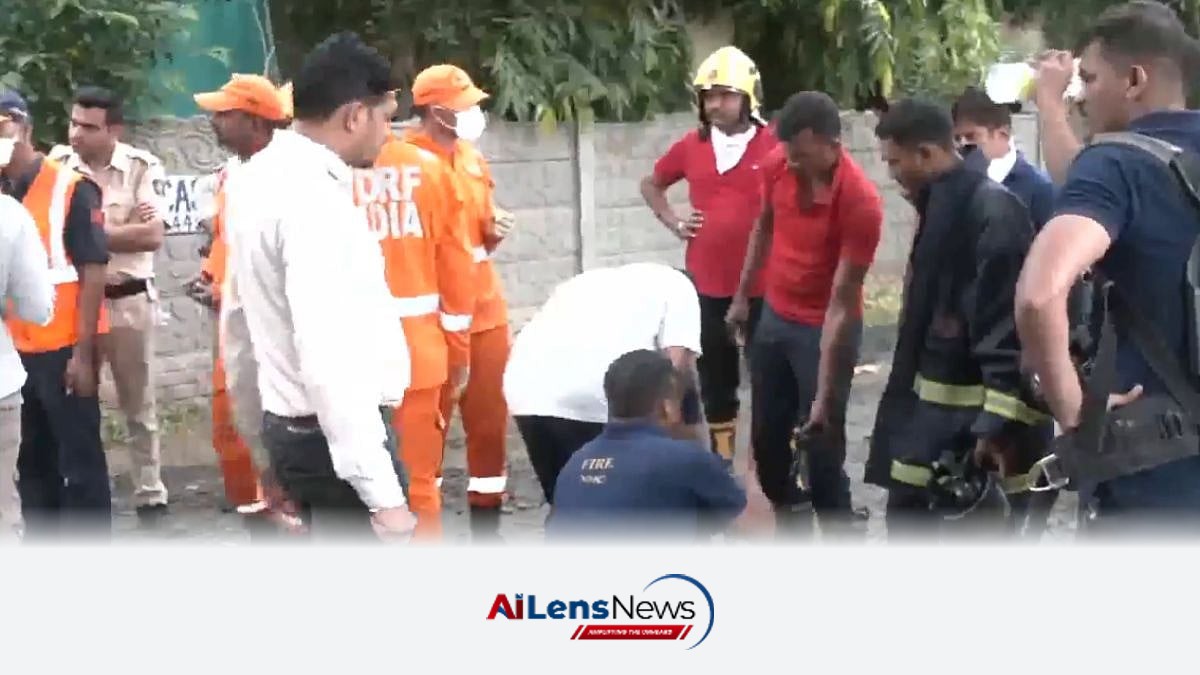



A chlorine gas leak at a water treatment plant in Nagpur led to over 40 people falling ill, prompting a swift response from emergency services.
New Delhi, India Aug 24, 2026 ALN: Nagpur: More than 40 locals fell ill following a chlorine gas leak at a water treatment plant in the Godhni area of Nagpur in the early hours of Monday, prompting the National Disaster Response Force (NDRF) to launch an immediate rescue operation.
The incident took place around 1 AM at the Maharashtra Jeevan Pradhikaran's Godhni Municipal Council Water Treatment Plant when chlorine gas began leaking from a 900-kg capacity cylinder. As the gas spread rapidly across nearby residential localities, widespread panic gripped the area, with several residents developing cough and breathing difficulties. Chlorine gas, a common disinfectant used in water treatment, is known for its pungent odor and can cause severe respiratory issues when inhaled in significant quantities.
Local police personnel, along with administrative officials, swiftly alerted residents living in the immediate vicinity and advised them to evacuate to safer locations. Some affected people were immediately rushed to Sparsh Hospital in Zingabai Takli and Mayo Hospital for treatment. The symptoms observed among those affected included coughing, shortness of breath, and irritation of the eyes and throat, which are typical reactions to chlorine exposure.
Upon receiving the alert, the Nagpur Municipal Corporation Fire Department dispatched two water tenders along with personnel equipped with breathing apparatus to the site. Employees of Orange City Water (OCW) were also called in, and a team from the National Disaster Response Force (NDRF) was deployed at the site. The swift response from these agencies highlights the importance of preparedness and coordination in emergency situations involving hazardous materials.
The joint rescue operation concluded around 5:30 AM after the intensity of the leakage decreased. Emergency personnel from the NDRF, Fire Department, and OCW successfully moved the 900-kg chlorine cylinder and submerged it into a water tank containing a caustic soda solution to neutralize the toxic gas safely. This method of neutralization is critical in preventing further contamination and ensuring the safety of both the responders and the local population.
Chlorine gas leaks can have severe implications for public health and safety, especially in densely populated areas. The incident in Nagpur raises questions about the safety protocols in place at water treatment facilities and the potential risks posed by hazardous materials used in public utilities. It underscores the need for regular safety audits and emergency preparedness training for staff working in such facilities.
In light of this incident, local authorities may need to reassess their emergency response strategies and public awareness campaigns regarding the dangers of chlorine and other toxic substances. Public education on recognizing the signs of gas exposure and the immediate steps to take in case of a leak could significantly mitigate health risks in the future.
A month ago, in a separate incident, at least 14 women workers were hospitalized following an ammonia gas leak at a meat processing plant in Uttar Pradesh's Saharanpur district on July 22, officials said. This incident serves as a reminder that gas leaks are not isolated events and can occur in various industrial settings, posing a threat to workers and nearby communities.
The incident occurred at around 1 PM at ALM Industries Limited, located within the Gagalheri police station jurisdiction, where several women were engaged in packaging work. The sudden gas leakage triggered chaos and panic on the premises, causing several workers to suffer from breathing difficulties, anxiety, and dizziness, with a few fainting on the spot. Such occurrences highlight the necessity for stringent safety measures and monitoring systems in workplaces that handle hazardous materials.
In both cases, the rapid response by emergency services was crucial in managing the situation and minimizing health impacts. However, these incidents also call for a broader discussion on industrial safety regulations and the enforcement of best practices to prevent such leaks in the first place. The government and regulatory bodies may need to strengthen oversight and ensure that companies comply with safety standards to protect workers and the surrounding community.
As communities recover from these incidents, it is essential to provide support and resources to those affected, including medical care and psychological support for individuals who experienced trauma or anxiety as a result of the gas leaks. Ensuring that such incidents do not recur will require a collective effort from government agencies, industries, and local communities to prioritize safety and health in all operations involving hazardous materials.
To learn more about the latest developments in Health & Public Safety, stay updated with our exclusive reports and analyses on AILensNews.

