

A major landslide has severely damaged Zunheboto's only water supply line, disrupting services for over a month. The PHED is working on a challenging restoration plan.
Kohima, India Jul 25, 2026 ALN: The recent landslide that struck the Tizu Bridge–Yezami Road in Zunheboto on July 20 has led to a severe disruption of the town's water supply, raising significant concerns among residents who have been facing a water crisis. The landslide caused extensive damage to the lone water supply mainline, a 150 mm pipe that serves as the sole source of water for the community, further complicating an already challenging situation.
Zunheboto Town has historically depended on this single pipeline, which transports water from the nearby villages of Ngozubo and Melahu to the town. The pipeline, which spans an impressive 37 kilometers, connects the water treatment plant at Melahu to a large PHED water reservoir tank with a capacity of 4 lakh liters located in the North Point colony of Zunheboto. This infrastructure has been crucial for supplying potable water to the town's residents, and the complete cut-off from this source has exacerbated the ongoing water crisis.
In an interview with the media, Sub-Divisional Officer of the Public Health Engineering Department (PHED) Zunheboto, Er Beto T Jimo, indicated that the restoration of the water supply is a complex task that may take more than a month due to the severe damage inflicted on both the main pipeline and the surrounding road connectivity. The landslide has not only rendered the pipeline inoperable but has also made the repair site inaccessible, posing significant challenges to the efforts of the PHED personnel.
Jimo highlighted the critical nature of the situation, stating, "The landslide has rendered the site inaccessible, making repair and reinstatement of the damaged infrastructure extremely challenging." This statement underscores the urgency of the matter, as residents are left without a reliable source of water, which is essential for daily living.
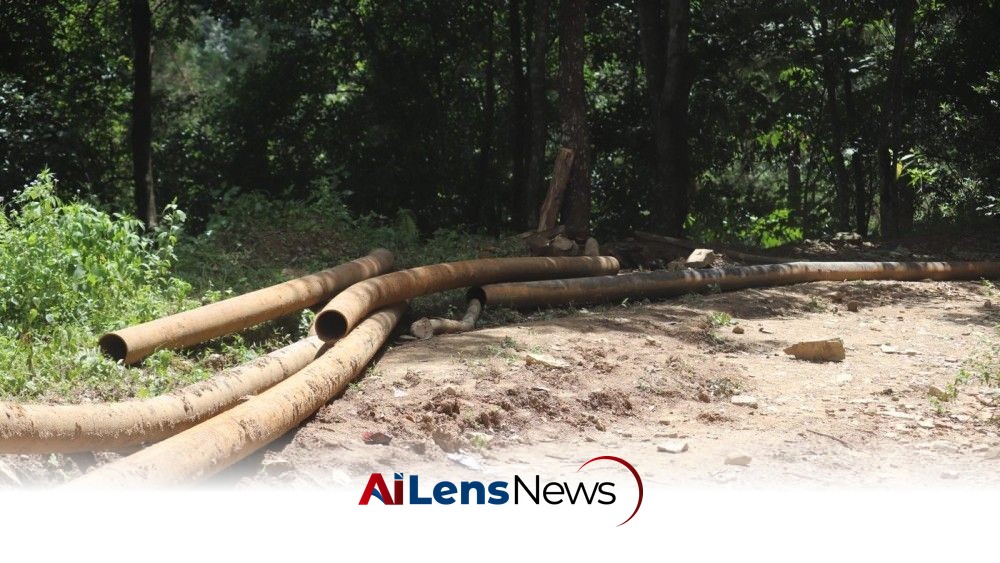
The damaged pipeline is particularly significant as it is the only conduit for water supply to Zunheboto, making the restoration of this service a top priority for the local authorities. The PHED has been working diligently to retrieve the buried and washed-away sections of the pipeline, managing to recover 10 pipe sections after several days of strenuous effort. However, the task is far from complete, and the department estimates that around 40 to 50 sections of the specialized pipe are needed for a full restoration, which presents a logistical challenge.
One of the main issues complicating the restoration efforts is the specialized nature of the pipeline. The original pipes were sourced from a company in Mumbai on special request, designed specifically to withstand high water pressure. Ordinary water pipes are not a viable replacement due to their inability to handle the pressure in the transmission line. This reliance on specialized materials not only complicates the repair process but also delays the timeline for restoring water services to the community.
Moreover, the landslide has caused significant erosion in the area where the pipeline was laid, leading to the complete destruction of Yezami Road. This destruction has further hindered access to the repair site, making it difficult for PHED personnel to carry out their work efficiently. Jimo noted that the department must first clear the damaged road and restore access to the site before any repair work can begin.
In addition to the challenges posed by the damaged infrastructure, the department faces additional complications in reinstalling the pipeline. The original alignment of the pipeline is no longer feasible due to the instability of the land following the landslide. Consequently, a new alignment must be identified, which presents its own set of challenges, particularly as the proposed area for the new alignment passes through a coffee plantation. This could potentially lead to conflicts with landowners and additional logistical hurdles.
With no alternative water source available, the urgency of the restoration work cannot be overstated. Jimo emphasized that ensuring a reliable water supply is a top priority for the department, despite the difficult terrain and logistical constraints. The PHED Zunheboto has made a public appeal for patience and cooperation from all consumers and the general public, urging them to bear with the inconvenience until normal water supply services can be fully restored.
The water crisis in Zunheboto is not just a matter of inconvenience; it has broader implications for public health and community well-being. Access to clean and safe drinking water is a fundamental human right, and disruptions in water supply can lead to various health issues, including waterborne diseases. The situation is particularly dire for vulnerable populations, including children and the elderly, who may be more susceptible to the impacts of water scarcity.
As of now, there are approximately 1,300 PHED water consumers in Zunheboto who are affected by this disruption. The reliance on a single water supply line highlights the vulnerabilities in the town's water infrastructure and the urgent need for alternative solutions to ensure a consistent and reliable water supply for the residents. This incident serves as a reminder of the importance of investing in resilient infrastructure capable of withstanding natural disasters, particularly in regions prone to landslides and other geological hazards.
The implications of this water crisis extend beyond immediate access to drinking water. Without a reliable water supply, the local economy may also suffer, as businesses that rely on water for their operations could face interruptions. Agriculture, which is a significant part of the local economy, will also be affected, as farmers depend on consistent water availability for irrigation. The cascading effects of this water crisis could lead to broader socio-economic challenges for the community.
In conclusion, the water crisis in Zunheboto following the landslide poses significant challenges for the local authorities and the community. The PHED is actively working to restore water supply services, but the complexities involved in repairing the damaged infrastructure and the lack of alternative sources of water underscore the need for long-term planning and investment in water management systems. As the community awaits the restoration of their water supply, the situation calls for collective efforts from all stakeholders to address the immediate needs and to develop sustainable solutions for the future. This incident highlights the necessity for comprehensive disaster preparedness strategies and the importance of community resilience in the face of climate change and environmental challenges.
To learn more about the latest developments in Local & Regional, stay updated with our exclusive reports and analyses on AiLensNews.

