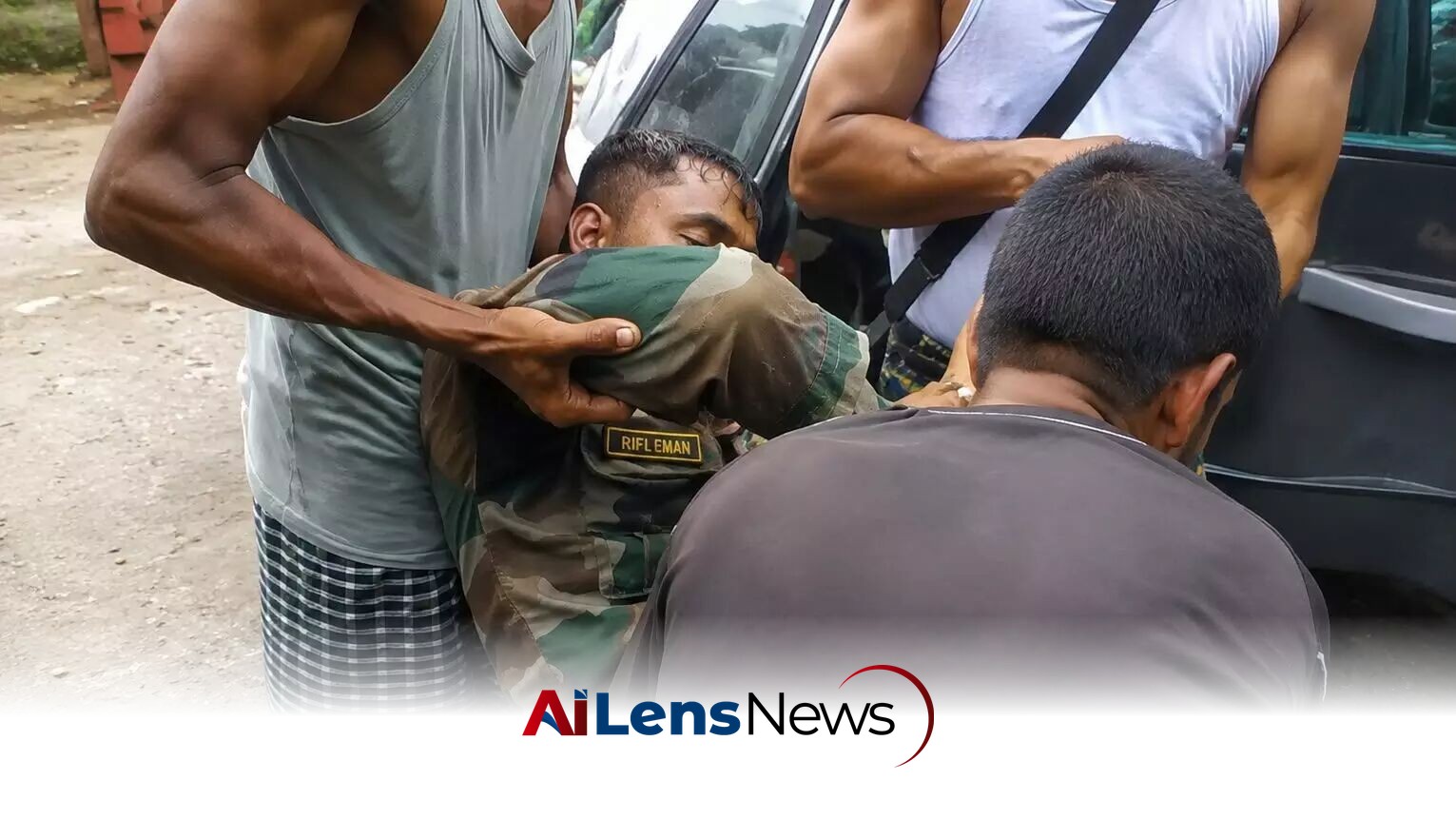


A reward of Rs 50,000 has been announced by Nagaland Police for credible information regarding the IED blast that killed an Assam Rifles havildar.
Kohima, India Jul 18, 2026 ALN: In a significant development following a tragic incident in Nagaland, the Nagaland Police have announced a cash reward of Rs 50,000 for credible information regarding the perpetrators of a deadly improvised explosive device (IED) blast in Chumoukedima district. This explosion, which occurred earlier this week, resulted in the death of an Assam Rifles havildar and left several others injured, highlighting the ongoing security challenges faced in the region.
The reward is specifically aimed at encouraging members of the public to come forward with any information that can lead to the identification or arrest of those responsible for this act of violence, alongside their associates. The police have broadened the criteria for the reward to include individuals involved in planning, financing, harboring, transporting, or otherwise facilitating the offense. This comprehensive approach underscores the police's commitment to addressing not just the immediate perpetrators but also the broader network that supports such activities.
In a public notice issued on Friday, the Commissioner of Police for Dimapur, Aotula T Imchen, emphasized that the Dimapur Police Commissionerate is undertaking an intensive investigation to identify and apprehend all individuals involved in what has been described as a "heinous terrorist act." This statement reflects the seriousness with which law enforcement is treating this incident, as it poses a significant threat to public safety and security.
In addition to the reward for information on the individuals directly involved in the blast, the police are also offering rewards for information that could lead to the recovery of explosives, explosive components, weapons, communication devices, vehicles, or any other incriminating material that may be linked to the case. This proactive stance is indicative of the police's strategy to dismantle the operational capabilities of those involved in such violent acts.
The police appeal extends to information regarding any hideouts, safe houses, or logistical support networks connected to the offenders. By seeking information on these aspects, law enforcement aims to disrupt the infrastructure that allows such groups to operate in the shadows.
In their notice, the police encouraged the public to share any information related to the case, stating that even seemingly insignificant details could be crucial. They provided contact numbers for the public to reach out, including options for communication via WhatsApp, reflecting a modern approach to engaging with the community in the fight against crime.
The Dimapur Police Commissionerate has assured the public that the identity of informants will be kept strictly confidential and protected in accordance with the law. This assurance is vital in a region where fear of retribution can often deter individuals from coming forward with information. Furthermore, the acceptance of anonymous tips is an important step in fostering trust between the police and the community.
According to the public notice, the reward will only be disbursed after verification that the information materially contributed to the detection of the case, recovery of evidence, or apprehension of the offenders. This condition ensures that the reward system is not exploited and that it serves its intended purpose of enhancing public cooperation in law enforcement efforts.
The tragic incident that prompted this reward occurred on July 13, along the Shokhuvi road in Chumoukedima district. The blast was reportedly aimed at an Assam Rifles vehicle during an operational movement, which signifies the targeted nature of this attack. The death of the havildar and the injuries sustained by other personnel serve as a stark reminder of the dangers faced by security forces in the region, which has been plagued by insurgency and violence for decades.
In the wake of the attack, security forces have launched extensive search and combing operations in the area, reflecting a heightened state of alert and a commitment to restoring safety. These operations are critical in not only apprehending those responsible but also in deterring future attacks by demonstrating the resolve of law enforcement agencies.
The context of this incident must be understood against the backdrop of Nagaland's complex socio-political landscape, which has been marked by various insurgent movements seeking autonomy or independence. The region has a history of violence and unrest, which has often targeted security forces. The Assam Rifles, a paramilitary force, has been actively involved in counter-insurgency operations in the northeastern states of India, including Nagaland. The ongoing conflict has led to significant loss of life, both among security personnel and civilians, and has perpetuated a cycle of violence that is difficult to break.
The implications of this IED blast extend beyond the immediate loss of life and injuries. It raises questions about the effectiveness of current security measures in place and the ability of law enforcement to preempt such attacks. The response from the Nagaland Police, including the offer of a reward and the call for public assistance, indicates an acknowledgment of the need for community involvement in maintaining security and safety in the region.
Moreover, this incident could potentially lead to increased scrutiny of the operational strategies employed by security forces in the area. It may prompt discussions around the need for enhanced intelligence-gathering mechanisms, better community relations, and more robust counter-insurgency strategies that take into account the unique cultural and social dynamics of Nagaland.
As the investigation unfolds, the cooperation of the local populace will be crucial in bringing the perpetrators to justice and ensuring that such acts of violence do not become a recurring theme in the region. The Nagaland Police's proactive approach in seeking public assistance, coupled with their commitment to protecting informants, could play a significant role in shaping the future of security operations in Nagaland.
In conclusion, while the immediate focus remains on identifying and apprehending those responsible for the Chumoukedima blast, the broader implications of this incident will likely resonate throughout Nagaland's ongoing struggle with insurgency and violence. The response from law enforcement, the community's role, and the effectiveness of security measures will all be critical factors in determining the path forward for peace and stability in the region.
To learn more about the latest developments in Crime & Law, stay updated with our exclusive reports and analyses on AiLensNews.

