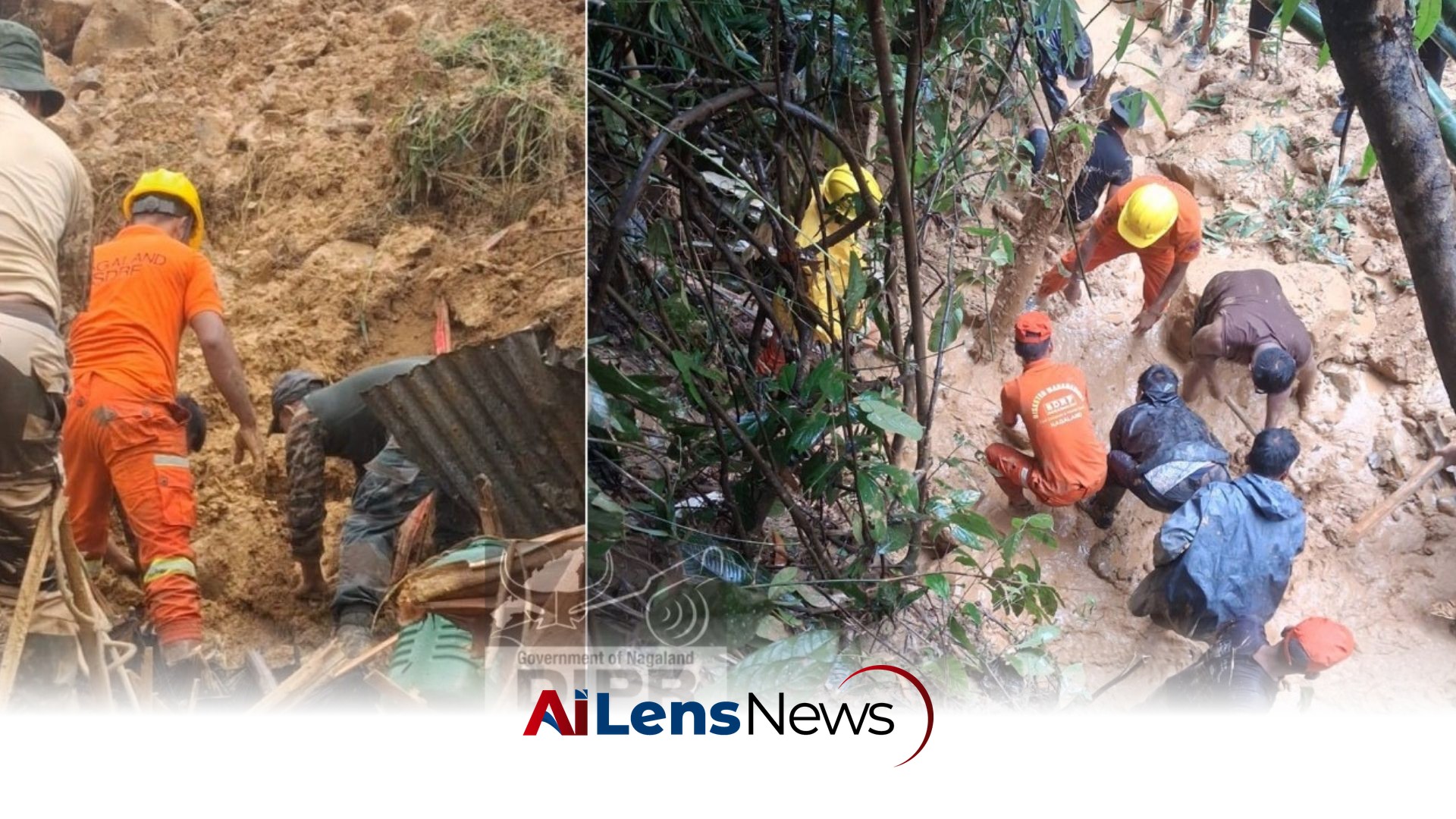


The Nagaland government has released Rs 70 lakh from the State Disaster Response Fund for families affected by landslides and flash floods in Mon district.
Kohima, India Jul 22, 2026 ALN: Kohima: The Nagaland government has released Rs 70 lakh from the State Disaster Response Fund (SDRF) for immediate relief to families affected by the devastating landslides and flash floods that struck Mon district following incessant rainfall on July 19 and 20. This allocation is part of the government's broader strategy to respond swiftly to natural disasters that frequently impact the region, particularly during the monsoon season.
The decision to allocate these funds comes in the wake of significant destruction caused by the natural calamity. According to a statement issued by Deputy Commissioner and Chairman of the District Disaster Management Authority (DDMA), Wennyei Konyak, the funds will be used to provide ex gratia assistance to the next of kin of those who lost their lives, gratuitous relief to the injured, and immediate assistance for houses damaged by the disaster. This approach highlights the government’s commitment to ensuring that the immediate needs of the affected families are addressed as quickly as possible.
During his visit to the affected areas on July 20, Chief Minister Neiphiu Rio also extended a grant of Rs 10 lakh to support civil society organisations, the District Hospital, and local volunteers assisting the government in search and rescue operations across the landslide-hit areas. This additional support underscores the importance of collaboration between government entities and local organizations, which often play a crucial role in disaster response efforts.
The disaster claimed nine lives, left several others injured, and caused extensive damage to residential houses, roads, bridges, and other public infrastructure across the district. Such incidents are not uncommon in Nagaland, which is characterized by its hilly terrain and heavy monsoon rains. The geographical features of the region make it particularly susceptible to landslides, especially during periods of prolonged rainfall. The loss of life and property in Mon district serves as a stark reminder of the vulnerabilities faced by communities living in these areas.
Expressing grief over the loss of lives, the Deputy Commissioner conveyed condolences to the bereaved families and assured that the district administration stands firmly with all those affected. This sentiment of solidarity is crucial in times of crisis, as it helps to foster a sense of community resilience and support among those impacted by such tragedies.
The district administration, in coordination with the Nagaland State Disaster Management Authority (NSDMA), district police, State Disaster Response Force (SDRF), 42 Assam Rifles, Territorial Army, line departments, village and ward councils, Konyak Union, Konyak Nyupuh Sheko Khong (KNSK), Konyak Students’ Union (KSU), and local community volunteers, continues to carry out search and rescue operations, damage assessment, distribution of relief materials, and restoration of essential services. This collaborative effort highlights the importance of a multi-faceted approach to disaster management, where various stakeholders come together to respond effectively to emergencies.
The involvement of local organizations and community volunteers is particularly noteworthy, as they often possess a deep understanding of the local context and can mobilize resources quickly. Their contributions are invaluable in ensuring that aid reaches those who need it most, particularly in remote and inaccessible areas that may be overlooked by larger governmental agencies. Local knowledge can significantly enhance the efficiency of disaster response efforts, as community members are often the first responders in such situations.
The Deputy Commissioner also acknowledged the efforts of government departments, security forces, volunteers, and local communities for their swift response and support during the emergency. Recognition of these efforts is vital, as it not only boosts morale but also encourages ongoing participation from various sectors of society in future disaster response initiatives. Such acknowledgment helps to build trust between the government and the community, fostering a spirit of cooperation that is essential for effective disaster management.
With the monsoon continuing, the district administration has advised residents to remain vigilant, avoid landslide-prone slopes, overflowing rivers, and vulnerable roads, and strictly follow weather advisories and official instructions. This advisory serves as a critical reminder of the ongoing risks associated with the monsoon season, and the need for individuals and communities to remain proactive in safeguarding their lives and property. Increased awareness and preparedness can significantly reduce the risks associated with natural disasters, empowering communities to take charge of their safety.
In the broader context, the allocation of funds and the ongoing relief efforts in Mon district reflect the challenges faced by the Nagaland government in managing natural disasters. The region's topography, coupled with climate change impacts, raises concerns about the increasing frequency and intensity of such events. As the government continues to allocate resources for disaster relief, it must also consider long-term strategies for disaster risk reduction and community resilience building. Climate change is altering weather patterns, leading to unpredictable and severe weather events, which necessitates a shift in how governments prepare for and respond to disasters.
Furthermore, the situation in Mon district highlights the importance of preparedness and response planning. Effective disaster management requires not only immediate relief efforts but also a comprehensive approach that includes risk assessment, infrastructure improvements, and community engagement. By fostering a culture of preparedness, the Nagaland government can help mitigate the impacts of future disasters and enhance the resilience of its communities. This includes investing in better drainage systems, reinforcing vulnerable infrastructure, and conducting regular drills and awareness programs to educate the public on disaster preparedness.
In conclusion, the allocation of Rs 70 lakh for relief efforts in Mon district is a crucial step in addressing the immediate needs of those affected by the recent landslides and floods. However, it also underscores the need for ongoing efforts to strengthen disaster management frameworks, enhance community preparedness, and promote sustainable development practices that can help reduce vulnerability to future disasters. As the region continues to navigate the challenges posed by natural calamities, collaborative efforts between government, civil society, and local communities will be essential in building a more resilient Nagaland. The lessons learned from this disaster can inform future policies and practices, ensuring that the region is better equipped to handle similar challenges in the years to come.
To learn more about the latest developments in Crime & Law, stay updated with our exclusive reports and analyses on AiLensNews.

