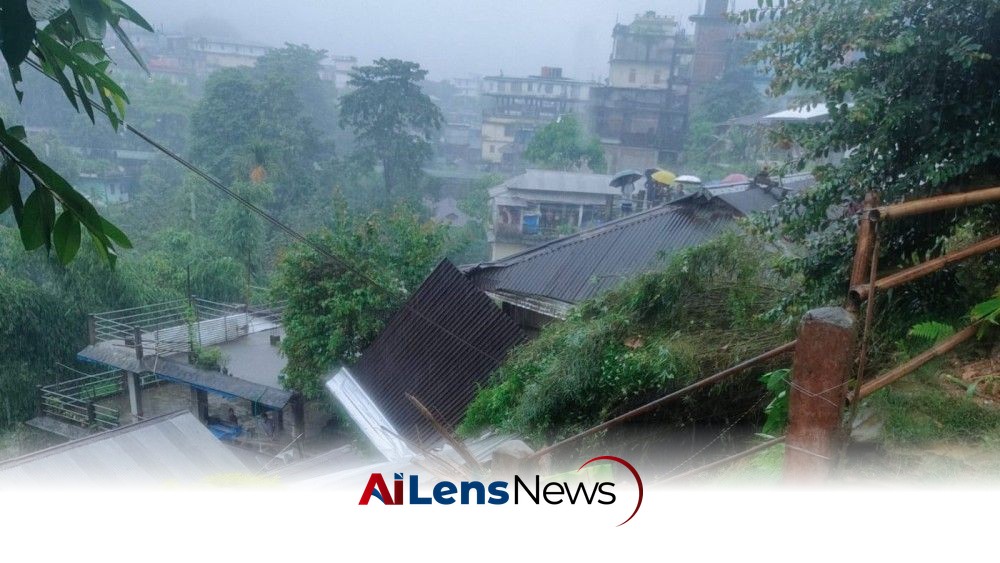


The death toll from a landslide in Mon town has reached eight, with four bodies still unaccounted for. Rescue operations continue as heavy rainfall persists.
Kohima, India Jul 19, 2026 ALN: The recent landslide incident in Mon town, which has tragically claimed the lives of eight individuals, has highlighted the ongoing challenges posed by extreme weather events in the region. The landslide struck a residential area situated below the Assam Rifles camp early on Sunday morning, around 6:00 a.m., following a period of incessant rainfall that has plagued the area for several days. This weather pattern is not unusual for the region, particularly during the monsoon season, which typically lasts from June to September, bringing heavy rainfall and increasing the risk of landslides.
The Deputy Commissioner of Mon, Wennyei Konyak, NCS, confirmed the rising death toll on Sunday, stating that the incident was reported to authorities shortly after it occurred, at approximately 7:30 a.m. This swift notification allowed for the rapid deployment of search and rescue teams, which included personnel from various agencies such as the Police, Assam Rifles, Territorial Army, State Disaster Response Force (SDRF), and the District Disaster Management Authority (DDMA). Despite their efforts, as of the latest updates, four bodies have been recovered, while four others remain buried under the debris, raising concerns about the possibility of additional casualties as search operations continue. The recovery of the remaining victims is a priority for the rescue teams, who are working tirelessly amid challenging conditions.
The affected locality, often referred to as Defence Colony, is situated in a vulnerable position due to its proximity to the Assam Rifles camp, which is likely a contributing factor to the severity of the landslide. The geographical and climatic conditions of the region make it susceptible to such natural disasters, particularly during the monsoon season when heavy rainfall can lead to soil saturation and increased risk of landslides. The topography of Mon town, characterized by hilly terrain and loose soil, further exacerbates this risk. Landslides are a common occurrence in many parts of India, especially in the northeastern states, where the combination of heavy rainfall, deforestation, and human encroachment on natural landscapes creates a precarious situation.
In response to the tragedy, the district administration has established relief camps to assist displaced families. However, many families have chosen to stay with relatives instead of utilizing these camps, indicating a strong sense of community support in the aftermath of the disaster. The local population has demonstrated remarkable resilience and solidarity, with many individuals volunteering to assist in rescue and relief efforts. The landslide has also disrupted power supply in the affected area, complicating communication efforts and hindering rescue operations. Local volunteers, including members of community organizations such as the Konyak Union, Konyak Students’ Union, and Konyak Women Organisation, have stepped in to assist security personnel and rescue teams, showcasing the resilience and solidarity of the local population in times of crisis.
Beyond Mon, the relentless rainfall has had widespread impacts across the region, triggering additional landslides, flash floods, and road blockages that have disrupted connectivity in several districts. Reports indicate that Shamator district has experienced significant disruptions due to landslides, while flooding has been reported in Tuli subdivision under Mokokchung district. The situation has prompted district administrations and disaster response agencies to maintain a high level of alertness as they respond to the ongoing weather challenges. These conditions have not only affected transportation and communication but have also posed risks to agricultural activities, which are vital for the local economy.
In light of the recent events, the government has expressed its condolences and concern regarding the landslide incident in Mon town. In an official statement, the government acknowledged the extensive damage to property and infrastructure caused by the landslide and the ongoing adverse weather conditions affecting Tuli subdivision and other parts of the state. The Chief Minister, Neiphiu Rio, announced an ex gratia payment of Rs 4 lakh to the next of kin of each deceased person, along with Rs 74,000 to each injured individual. This financial assistance is part of a broader relief effort that includes the provision of food, temporary shelter, essential commodities, and other support for affected families. The government’s response reflects an understanding of the immediate needs of the victims’ families and the broader community, which is grappling with the aftermath of this disaster.
The government has also directed all relevant departments to remain vigilant and ensure inter-departmental coordination in their response efforts. This includes expediting the restoration of connectivity and rehabilitation efforts for those impacted by the disaster. Furthermore, officials have urged the public to exercise caution by avoiding vulnerable slopes, riverbanks, and landslide-prone areas, while also adhering to official advisories and refraining from spreading unverified information that could exacerbate the situation. Public awareness campaigns are crucial in educating communities about the risks associated with heavy rainfall and landslides, as well as the importance of disaster preparedness.
The implications of this landslide extend beyond the immediate loss of life and property. It underscores the urgent need for effective disaster management strategies and infrastructure improvements in regions susceptible to natural disasters. The increasing frequency and intensity of extreme weather events, likely exacerbated by climate change, necessitate a reevaluation of existing safety measures and preparedness plans. Local governments and agencies must invest in better forecasting systems, early warning mechanisms, and community education programs to mitigate the risks associated with such disasters in the future. Furthermore, sustainable land use planning and reforestation efforts can play a significant role in reducing the vulnerability of communities to landslides and other natural hazards.
In conclusion, the landslide in Mon town serves as a stark reminder of the vulnerabilities faced by communities in disaster-prone areas. As rescue efforts continue and the region grapples with the aftermath of this tragedy, it is imperative that both local and state authorities work collaboratively to enhance resilience against future natural disasters, ensuring that communities are better equipped to face the challenges posed by changing climatic conditions. The need for ongoing support, both in terms of immediate relief and long-term recovery, is essential for rebuilding lives and restoring hope in the affected communities. As the situation evolves, it will be crucial to monitor the effectiveness of response strategies and learn from this incident to improve future disaster preparedness and response efforts.
To learn more about the latest developments in Local & Regional, stay updated with our exclusive reports and analyses on AiLensNews.

