

The Konyak Union refutes allegations that floods in Assam were caused by a dam in Mon District, emphasizing no such infrastructure exists.
Kohima, India Jul 31, 2026 ALN: Mon, July 31 (MExN): The Konyak Union (KU) has categorically denied allegations that floods in parts of Assam were caused by water released from a dam in Mon District or by illegal mining activities in the district’s Naginimora area, clarifying that “no hydroelectric dam or reservoir exists in Mon District at all.”
The apex tribal body’s response comes after a video circulating on social media, along with reports in a section of the media, claimed that Assam MLA Akhil Gogoi and Assamese Youth Forum general secretary Akash Saikia had attributed the ongoing floods in Assam to the release of water from a purported “Dikhu Hydro Electric Project” in Mon District, and to alleged illegal coal mining activities in the Naginimora area.
The KU in its clarification said that the Dikhu Hydro Electric Project has remained only a proposed project listed by the Central Electricity Authority (CEA) and has neither been constructed nor commissioned. “Therefore, the allegation that floodwaters were released from a dam from Dikhu is entirely baseless, misleading and without any factual foundation,” it stated.
On the allegations linking the floods to reported illegal coal mining in Naginimora, the union said its field assessment and available information found no evidence to support the claims. The flooding, it said, did not originate from the Naginimora mining area but began in the higher hill ranges of Mon District following exceptionally heavy rainfall and cloudburst-like downpours. This triggered widespread landslides, flash floods, and overflowing rivers and streams across several parts of the district before eventually affecting Naginimora and Tizit.
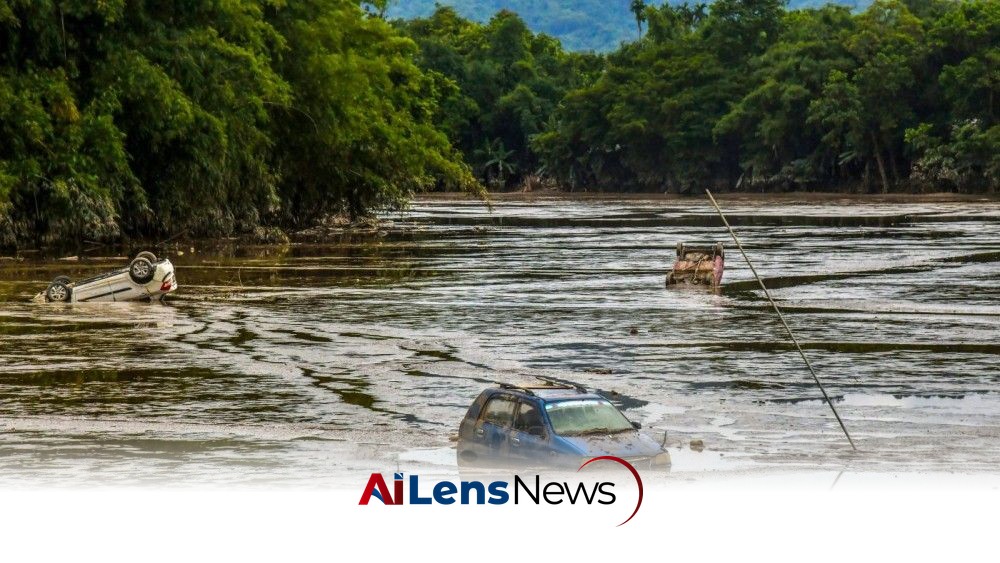
Recalling the scale of the disaster, the KU said Mon District witnessed one of the worst natural calamities in its recent history following unprecedented rainfall and cloudburst-like downpours on July 19 and 20. The disaster claimed 11 lives, destroyed homes, schools, shops, agricultural fields, tea gardens, businesses and livestock, displaced more than 650 families, and severely disrupted road connectivity, electricity and communication networks across the entire district, leaving thousands in distress.
The union expressed regret that such allegations were made while the people of Mon District were still recovering from the disaster, calling it “deeply unfortunate” that blame was being shifted onto them at such a time. It said public representatives and responsible organisations have a duty to verify facts before making statements that could create misunderstanding, panic and disharmony between the people of Assam and Mon, who share long-standing cordial and brotherly relations.
Natural disasters, the KU stressed, should never be politicised or used to promote speculative narratives without scientific evidence or official verification. It said any inquiry into the causes of the flooding should be based on credible technical assessments by competent authorities and expert agencies rather than assumptions.
The union urged individuals and organisations to act responsibly and refrain from spreading unverified or misleading information. It cautioned that if any untoward incidents arise as a result of such misinformation, “those responsible may be held accountable in accordance with the law.”
Reaffirming its commitment to peace and to strengthening ties between the two states, the KU appealed to the media and the public to refrain from circulating unverified claims that could strain the cordial relationship between Mon and Assam and their people.
This incident highlights a broader issue regarding the management of natural disasters in the region, particularly in the context of climate change and its impacts. The Northeastern states of India, including and Assam, are particularly vulnerable to extreme weather events such as heavy rainfall, which can lead to landslides and flooding. Such events are becoming increasingly frequent and severe, raising questions about the preparedness of local governments and communities to respond to these challenges.
Moreover, the socioeconomic context of the region complicates the situation. Many communities in and Assam rely on agriculture and natural resources for their livelihoods, making them particularly vulnerable to the impacts of flooding and other natural disasters. The destruction of agricultural fields and livestock, as noted in the KU's statement, can have long-lasting effects on food security and economic stability for these communities.
In addition, the allegations surrounding illegal mining activities bring to light ongoing tensions and debates about resource management in the region. Illegal mining has been a contentious issue in many parts of Northeast India, often leading to environmental degradation, loss of biodiversity, and conflicts between local communities and mining companies. The KU's denial of any connection between illegal mining and the recent floods underscores the need for careful environmental management and regulation of resource extraction activities.
The role of social media in shaping public perception during crises is also significant. The rapid spread of misinformation can exacerbate tensions and lead to unfounded blame being placed on communities or individuals, as seen in this case. It raises the importance of responsible media reporting and the need for fact-checking, especially in the wake of disasters where emotions are running high and communities are seeking answers.
As the people of Mon District begin to recover from the recent disaster, there will be a critical need for support from both state and central governments. This includes not only immediate relief efforts but also long-term strategies for disaster preparedness and response. Building resilient infrastructure, improving early warning systems, and investing in community education about disaster risk reduction are essential steps that can help mitigate the impacts of future natural disasters.
In conclusion, while the Konyak Union has firmly denied the allegations linking the floods in Assam to Mon District, the incident serves as a reminder of the complex interplay between natural disasters, resource management, and community relations in Northeast India. It underscores the importance of responsible communication, accurate reporting, and the need for collaborative efforts to address the challenges posed by climate change and environmental degradation in the region.
To learn more about the latest developments in Crime & Law, stay updated with our exclusive reports and analyses on AiLensNews.

