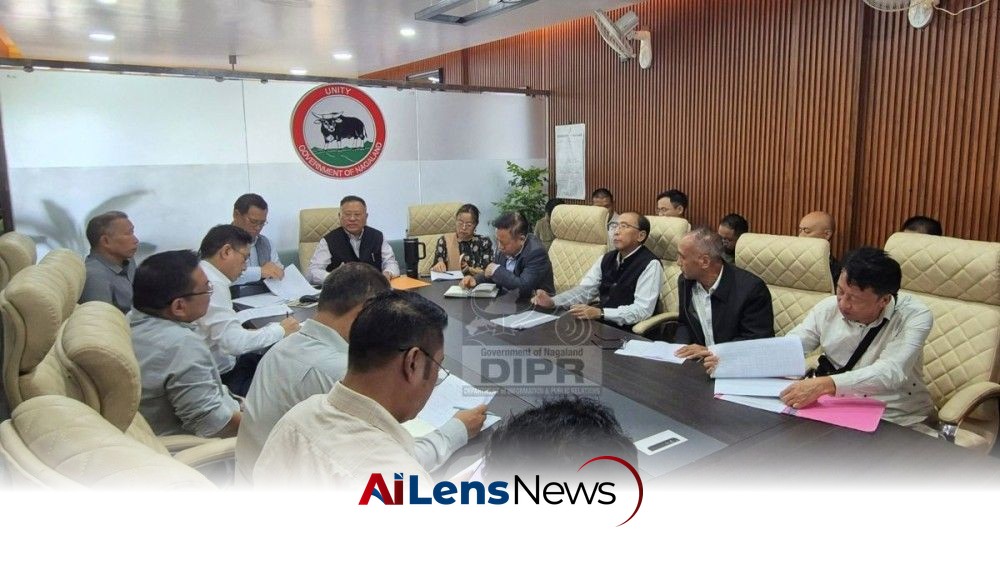


Development Commissioner Y Kikheto Sema cautions against project delays funded by MDoNER, emphasizing accountability and the need for timely implementation.
Kohima, India Jul 22, 2026 ALN: Dimapur, July 22 (MExN): Development Commissioner and Principal Secretary Y Kikheto Sema on Wednesday warned that the state government may initiate stringent action against defaulting departments, contractors and firms responsible for delays in implementing development projects, including blacklisting of habitual offenders.
Chairing a review meeting on projects funded by the Ministry of Development of North Eastern Region (MDoNER) at the Civil Secretariat in Kohima, Sema expressed his dissatisfaction over the implementation and outcomes of several projects in the state. He noted that despite the substantial financial assistance provided by MDoNER and the North Eastern Council (NEC), many projects have not met their intended goals or timelines. This situation raises critical questions about project management, accountability, and the overall efficacy of development initiatives in the region.
The MDoNER was established in 2001 with the aim of facilitating the development of the northeastern states of India, which have historically faced challenges related to infrastructure, economic development, and social services. The funding provided by MDoNER and NEC is intended to address these challenges and promote sustainable development in the region. However, Sema's remarks indicate that the benefits of such funding have not been fully realized, primarily due to delays and inefficiencies in project execution.
During the review meeting, Sema highlighted the adverse effects of project delays, stating that many projects have been postponed without valid reasons. This has resulted in cost overruns and has deprived the public of timely benefits that these projects were supposed to deliver. The concerns raised by funding agencies regarding the implementation performance of various departments further underscore the need for a more robust and accountable approach to project management.
In the context of the Sustainable Development Goals (SDGs), Sema emphasized the importance of aligning departmental efforts with these global objectives. The SDGs, adopted by United Nations member states in 2015, aim to address a range of global challenges, including poverty, inequality, climate change, environmental degradation, peace, and justice. Sema urged all departments to work collectively to improve their performance on SDG indicators, thereby ensuring that development initiatives contribute positively to the quality of life for the people in the state.
While some districts in have demonstrated encouraging progress in development, Sema acknowledged that significant disparities remain. He called for departments to align their planning and implementation strategies with measurable development priorities to effectively bridge infrastructure and service gaps. This approach is essential not only for enhancing the quality of life for residents but also for fostering a sense of equity and inclusion in development efforts.
Another critical issue raised by Sema was the poor utilization of funds released by the Government of India. He pointed out that several departments have failed to draw down and utilize funds available in the Central Nodal Account (CNA), despite repeated reminders from the government. This failure to utilize available resources not only hampers project implementation but also jeopardizes the state's ability to secure future funding for new projects. Sema cautioned that unless departments improve their project implementation capabilities and ensure timely submission of utilization certificates (UCs) and project completion reports, the state's chances of obtaining approval for new projects could be adversely affected.
In terms of project planning, Sema noted that many departments have not adhered to the timelines prescribed in the Planning and Transformation Department's Calendar of Action for 2026-27. He directed all departments to strictly follow this calendar, emphasizing the importance of avoiding the common practice of rushing projects toward the end of the financial year. Effective project planning is crucial for ensuring that all preparatory work, including the preparation of estimates, obtaining statutory clearances, and completing the tendering process, is completed in a timely manner. This proactive approach would allow for the immediate commencement of project execution with the onset of the working season.
The financial implications of project delays are significant. Sema revealed that the government had refunded approximately Rs 32 crore to the Government of India in recent years due to delays, non-utilization of funds, and lapses in project execution. This refund represents a serious loss to the state, as it reflects not only unutilized financial resources but also missed opportunities for development and growth. Sema underscored the need for accountability and responsibility, stating that erring departments would be held accountable for their failures, while contractors who repeatedly fail to complete projects within approved timelines and specifications could face blacklisting.
To enhance transparency and accountability, Sema directed all departments to regularly upload information regarding their activities, milestones, and successful projects on official websites, dashboards, and ministry portals. He noted that many notable initiatives have gone unnoticed due to poor documentation and lack of dissemination of information. By improving the visibility of successful projects, the government can foster a culture of accountability and encourage more effective collaboration among departments.
Furthermore, Sema urged departments to ensure that projects funded under MDoNER, NEC, External Aided Projects (EAP), and the State Plan are planned and implemented judiciously. Addressing genuine developmental needs, bridging critical infrastructure and service gaps, generating employment opportunities, and delivering measurable, people-centric outcomes should be the primary focus of all development initiatives. A results-oriented approach is essential to ensure that development efforts translate into tangible improvements in the lives of citizens.
In conclusion, the review meeting chaired by Y Kikheto Sema serves as a critical reminder of the importance of accountability, effective project management, and strategic planning in the implementation of development projects in . The warnings issued regarding potential actions against defaulting departments and contractors highlight the government's commitment to ensuring that public resources are utilized efficiently and effectively. As the state continues to navigate the complexities of development in the northeastern region of India, the emphasis on collaboration, transparency, and results-oriented approaches will be vital in achieving sustainable and equitable growth for all citizens.
To learn more about the latest developments in Politics, stay updated with our exclusive reports and analyses on AiLensNews.

