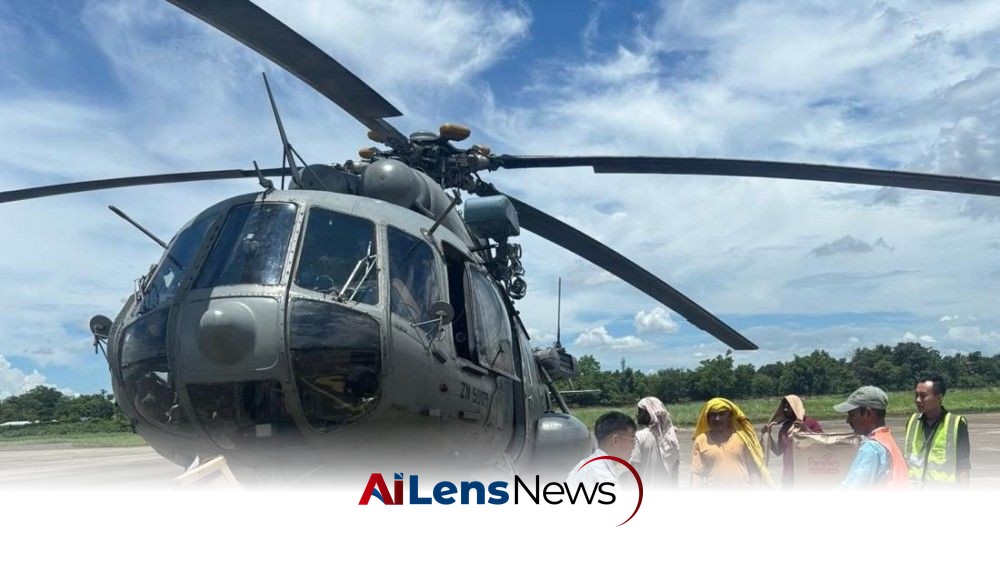


The State Disaster Management Authority ramps up relief efforts as the ongoing monsoon causes widespread disruption, evacuating stranded individuals and delivering essential supplies.
Kohima, India Jul 24, 2026 ALN: The State Disaster Management Authority (NSDMA), in coordination with district administrations and line departments, has ramped up relief operations across the state as the ongoing monsoon continues to wreak havoc. The monsoon season, which typically spans from June to September in India, has been particularly severe this year, leading to unprecedented rainfall and resultant flooding in various regions. The impact of these weather patterns has been exacerbated by the geographical characteristics of the Northeastern states, which include steep hills, dense forests, and a network of rivers that can swell rapidly during heavy rains.
The NSDMA's response to the crisis has been multifaceted, reflecting the urgency of the situation. An update from NSDMA detailed that the Indian Air Force (IAF) conducted air operations on July 23 and 24, evacuating a total of 148 stranded passengers. This included 43 individuals from Mon district and 105 from Longleng district. In addition to these efforts, a state government helicopter, requisitioned by the district administration, airlifted another 41 passengers from Mon. Among the evacuees were students and aspirants of the Public Service Commission Combined Entrance Examination (NPSC CESE) who found themselves stranded due to the disruption of road connectivity caused by the relentless rains and landslides. The urgency of these evacuations underscores the critical nature of the situation, where lives can be endangered due to the inability to access safe routes.
The monsoon season is known for its potential to cause significant disruption in Northeastern India, where the topography is characterized by hilly terrains and dense forests. This geographical setup often exacerbates the effects of heavy rainfall, leading to landslides and road blockages, which have been a critical issue during this period. The IAF's involvement in evacuation operations highlights the severity of the situation and the need for swift action to ensure the safety of those affected. The use of air support not only facilitates the rescue of individuals but also allows for the rapid transport of essential supplies to areas that are otherwise inaccessible due to flooding and landslides.
Simultaneously, the air operations facilitated the delivery of essential relief supplies to the cut-off districts. The consignments included food relief arranged by NSDMA through the Department of Food & Civil Supplies. Additionally, medical kits and clothing were contributed by the Konyak Students' Union, Kohima, alongside additional materials mobilized through the Donate Kart Foundation. The collaborative efforts of various organizations and government bodies underscore the community's resilience and commitment to aiding those in distress during these challenging times. This cooperation between government and non-governmental organizations reflects a broader trend in disaster response, where community involvement plays a crucial role in enhancing the effectiveness of relief efforts.
On the ground, the logistics of delivering aid are equally critical. A mini truck carrying relief materials was dispatched from Mokokchung Headquarters to Tuli, with a second consignment following closely behind. Ration relief was distributed to stranded and displaced families at Changtongya, ensuring that those who have lost access to their homes and resources receive immediate support. Relief materials were also delivered to Patizung Ward for onward distribution, demonstrating a structured approach to managing the crisis. The distribution of these supplies is vital for maintaining the well-being of affected populations, as prolonged exposure to adverse conditions can lead to health issues and increased vulnerability.
Financial assistance has also been extended to affected families, with the District Disaster Management Authority (DDMA) in Wokha disbursing Emergency Relief Fund (ERF) assistance to households whose houses and retaining walls were damaged by landslides. In Shamator, the Deputy Commissioner and Chairman of DDMA, Arikumba, personally handed over immediate relief assistance to two beneficiaries whose houses were damaged, exemplifying the hands-on approach taken by local authorities. Similarly, DDMA Zunheboto disbursed ERF assistance to five affected families, with the process overseen by Deputy Commissioner Dharam Raj, IAS. This financial support is crucial for families to begin rebuilding their lives after suffering significant losses, particularly in a region where many households rely on agriculture and local resources for their livelihoods.
The NSDMA has also been proactive in providing financial assistance to all districts specifically for road and debris clearance. This is crucial not only for immediate relief efforts but also for restoring normalcy in the affected areas. Damage assessments, restoration of essential services, and road clearance operations are being prioritized as the authority continues to monitor the evolving monsoon situation in close coordination with all agencies involved. The restoration of transport links is essential for re-establishing supply chains and enabling communities to access markets, healthcare, and other vital services.
The implications of these relief operations extend beyond immediate assistance. The monsoon season often serves as a reminder of the vulnerabilities faced by communities in the region, particularly in terms of infrastructure and disaster preparedness. The ongoing efforts by the NSDMA and local administrations highlight the need for long-term strategies that address these vulnerabilities, including better infrastructure, improved drainage systems, and comprehensive disaster management plans. The lessons learned from this year's severe monsoon season could inform future policies aimed at enhancing resilience against climate-related disasters.
Moreover, the involvement of various organizations, such as the Konyak Students' Union and the Donate Kart Foundation, illustrates a growing trend of community engagement in disaster response. This collaboration not only enhances the reach of relief efforts but also fosters a sense of solidarity among residents, reinforcing the idea that collective action is essential in times of crisis. Community-driven initiatives can often respond more quickly and effectively to local needs, complementing government efforts in disaster management.
As the monsoon continues, it is imperative for local governments and agencies to remain vigilant and responsive. The unpredictability of weather patterns due to climate change has raised concerns about the frequency and intensity of such events, necessitating a reevaluation of existing disaster preparedness frameworks. Enhanced forecasting, community training programs, and investment in resilient infrastructure are crucial steps that can mitigate the impacts of future monsoons. This proactive approach can help communities adapt to changing climatic conditions and reduce the risks associated with extreme weather events.
In conclusion, the ongoing monsoon has posed significant challenges for the state of , prompting a robust response from the NSDMA and local authorities. The successful evacuation of stranded passengers and the distribution of essential relief supplies are critical components of the ongoing relief operations. However, the need for sustained efforts to build resilience against future disasters remains paramount. As the situation evolves, continued collaboration among government bodies, NGOs, and community organizations will be essential in ensuring the safety and well-being of affected populations. The actions taken now will not only address the immediate needs of those impacted by the monsoon but also lay the groundwork for a more resilient future in the face of climate change.
To learn more about the latest developments in Health & Public Safety, stay updated with our exclusive reports and analyses on AiLensNews.

