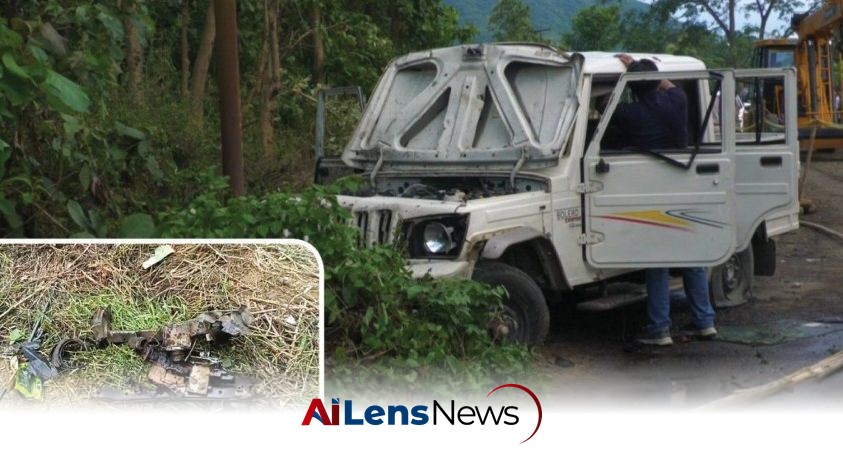


A soldier from the Assam Rifles was killed and four others injured in a suspected IED blast in Chümoukedima, prompting widespread condemnation from officials.
Kohima, India Jul 13, 2026 ALN: The tragic incident in Chümoukedima on July 13 resulted in the death of a soldier from the Assam Rifles, identified as Havildar Mohd Iqbal. The blast, suspected to be caused by an Improvised Explosive Device (IED), also left four other personnel injured, three of whom are in critical condition. This incident not only underscores the dangers faced by security forces in the region but also raises broader questions about the ongoing conflict and instability in the northeastern state of .
The explosion occurred around 2:30 PM near the Khovanalla iron bridge, while the pickup truck transporting the soldiers was en route to the Assam Rifles Training Centre in Shoxuvi. Eyewitnesses reported that the explosive device was likely hidden in a stationary autorickshaw, with debris scattered across the blast site. Such tactics of using IEDs have become increasingly common in conflict zones, particularly in areas with a history of insurgency and militancy. The use of civilian vehicles to conceal explosives not only endangers military personnel but also poses significant risks to innocent bystanders.
Local residents quickly rushed the victims to the Christian Institute of Health Sciences and Research (CIHSR). The severity of the injuries sustained by the three critically wounded soldiers necessitated their admission to the Intensive Care Unit, while the fourth was placed in a general ward. The quick response from local residents highlights the community's willingness to assist in times of crisis, showcasing a spirit of solidarity even amid violence.
In response to the attack, police and security forces have intensified security measures in the area. Checkpoints were established at critical road junctions to prevent further incidents and ensure public safety. The authorities are currently conducting a thorough investigation to ascertain the motives behind the attack. Such heightened security measures are common following violent incidents, as they aim to deter potential future attacks and reassure the public. However, they can also lead to increased tensions between security forces and local communities, particularly if residents feel that their movements are being excessively restricted.
Governor Nand Kishore Yadav expressed his sorrow over the loss of life, offering condolences to the bereaved family and wishing the injured a swift recovery. He condemned the attack as a heinous act of violence and called for a comprehensive investigation to bring the perpetrators to justice. The governor's statements reflect a broader sentiment among officials in the region, who often face the dual challenge of addressing security concerns while also maintaining public trust.
Chief Minister Dr. Neiphiu Rio labeled the bombing a cowardly act that has no place in society. He assured the public that those responsible would be identified and held accountable, emphasizing the government's commitment to maintaining peace and security. This commitment is crucial in a state like , which has a complex socio-political landscape shaped by decades of ethnic tensions and demands for greater autonomy.
Deputy Chief Minister Y Patton echoed these sentiments, describing the incident as a direct attack on the cherished peace and security of the state. He reaffirmed the government’s resolve to uphold law and order and ensure that such acts of intimidation are not tolerated. The rhetoric of unity and resilience in the face of violence is a common theme among political leaders in regions affected by insurgency, as they seek to rally public support and reinforce their legitimacy.
The Bharatiya Janata Party (BJP) condemned the IED attack, expressing heartfelt condolences to the family of the deceased soldier and calling for unity among citizens to reject violence. The party characterized the incident as a senseless act of violence and a direct assault on peace and security. Political parties often use such incidents to frame their narratives around security and governance, highlighting their commitment to protecting citizens and maintaining order.
The Central Tribes Council (CNTC) also condemned the blast, urging authorities to conduct a thorough investigation. They emphasized that such acts of violence undermine the peace and stability that the community has worked hard to achieve. The CNTC's response reflects the concerns of various ethnic groups in , who have often been caught in the crossfire of political and militant struggles.
Similarly, the Lok Janshakti Party (Ram Vilas) condemned the violence as a direct attack on public safety and democratic values, calling for a swift and impartial investigation to ensure justice. The call for justice is a recurring theme in the aftermath of violent incidents, as communities seek accountability and reassurance that their safety is a priority for the authorities.
This tragic event highlights the ongoing challenges faced by security personnel in the region and raises concerns about the safety of civilians. The use of IEDs is a tactic that has been employed by various insurgent groups in northeastern India, often targeting security forces to assert their presence and challenge the state’s authority. The implications of such attacks extend beyond immediate casualties, affecting the broader socio-political environment and exacerbating existing tensions.
The community is urged to remain vigilant and cooperate with authorities in maintaining peace and security. In a region marked by a history of conflict, the role of local communities in supporting security efforts can be crucial. This incident serves as a reminder of the fragile peace in and the need for ongoing dialogue and reconciliation efforts among various stakeholders. The government and civil society must work together to address the root causes of violence, including socio-economic disparities and political grievances, to foster a more stable and secure environment for all residents.
To learn more about the latest developments in Crime & Law, stay updated with our exclusive reports and analyses on AiLensNews.

