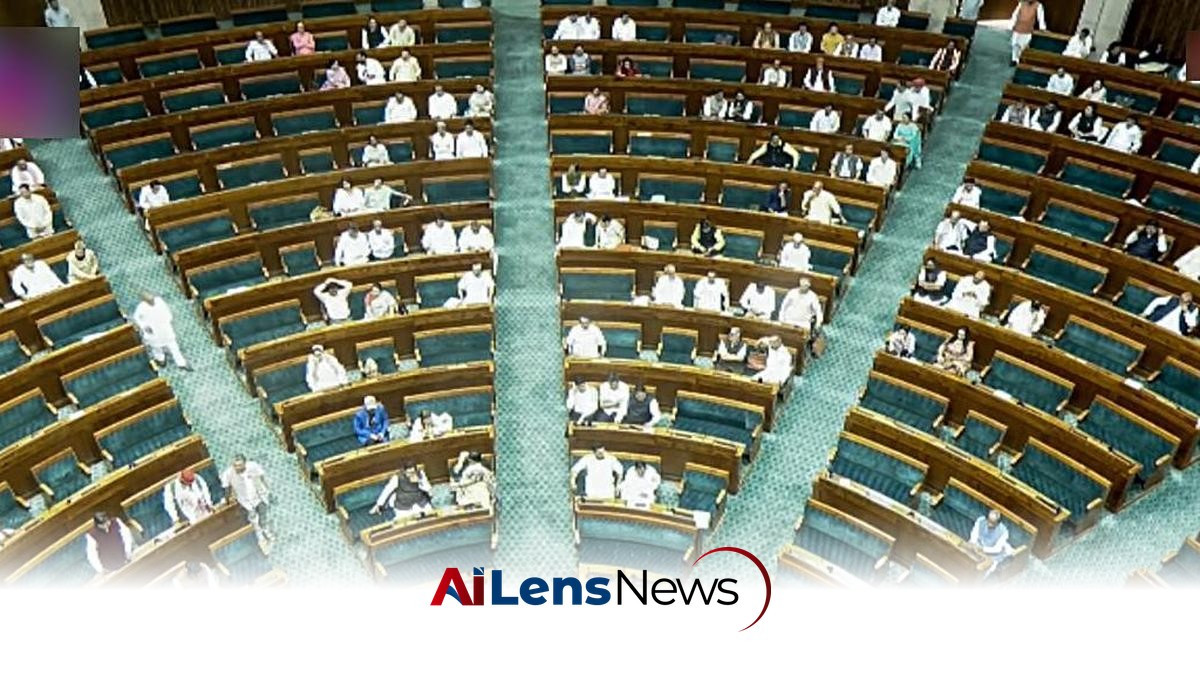


The Monsoon Session of Parliament faced significant disruptions on its opening day due to Opposition protests over NEET leaks and Ram temple donations.
New Delhi, India Jul 21, 2026 ALN: The Monsoon Session of Parliament, which commenced on July 20, 2026, was marked by significant protests and disruptions, reflecting the heightened tensions between the ruling government and opposition parties. The Lok Sabha, the lower house of Parliament, faced considerable interruptions as opposition members vocally expressed their dissent over various pressing issues, primarily focusing on the alleged NEET ( Eligibility cum Entrance Test) paper leak and accusations regarding the misappropriation of donations meant for the Ram Temple in Ayodhya.
The NEET paper leak controversy has been a contentious issue in Indian education, raising serious concerns about the integrity of the examination process, which is crucial for aspiring medical students. Allegations surfaced that the examination papers were compromised, leading to calls for accountability from the government. The protests were notably spearheaded by the Cockroach Janta Party (CJP), whose members attempted to breach barricades to march towards Parliament. They demanded the resignation of Union Education Minister Dharmendra Pradhan, citing his failure to ensure a fair and transparent examination process. This incident underscores the growing frustration among students and their families regarding the perceived lack of oversight in the educational system.
Alongside the NEET issue, opposition members also raised concerns about the alleged embezzlement of donations intended for the Ram Temple, a significant religious and cultural symbol for many s. The temple, which is under construction in Ayodhya, has been a focal point of political and religious discourse in India. The accusations of financial misconduct in relation to the temple's funding have intensified calls for transparency and accountability, further fueling the protests within Parliament.
Throughout the day, the Lok Sabha was adjourned multiple times—six in total—before being suspended for the day at 3 p.m. The only legislative business conducted during this tumultuous session was the introduction of a Bill by Union Law Minister Arjun Ram Meghwal aimed at replacing an Ordinance that proposed an increase in the number of Supreme Court judges from 34 to 38. This legislative move, while important, was overshadowed by the ongoing protests and the political drama unfolding within the House.
The political landscape in the Lok Sabha was notably affected by recent Assembly elections, which had led to shifting alliances and new dynamics among political parties. As the session began, members from the Congress, Samajwadi Party, and Trinamool Congress (TMC) raised slogans and disrupted proceedings, indicating a united front against the government on the NEET and Ram Temple issues. However, the internal divisions within the opposition were also apparent. For instance, while TMC MPs protested, they notably excluded the 20 rebel MPs who had aligned themselves with the newly formed Citizenship Party of India (NCPI), highlighting fractures within the opposition coalition.
The Dravida Munnetra Kazhagam (DMK), which had previously been allied with the Congress, also exhibited signs of divergence during the session. Following the Congress's decision to break off their alliance with the DMK, the latter has since formed a new partnership with the recently elected Tamil Nadu government, the Tamil Nadu Vanniyar Katchi (TVK). On this occasion, DMK members entered the Well of the Lok Sabha but chose to raise slogans concerning the Karnataka government's proposal to construct a dam at Mekedatu across the Cauvery River, rather than addressing the issues raised by the Congress regarding NEET and Ram Temple donations. This shift in focus signifies the evolving political strategies of the DMK as they navigate their new alliance and prioritize regional issues over controversies.
The visible split between the Congress and DMK was further illustrated by their behavior inside the Lok Sabha. Despite the tensions, DMK MP T. R. Baalu remained seated next to Congress MP K. C. Venugopal, indicating a complex relationship that persists even amidst political disagreements. However, Speaker Om Birla has yet to approve the DMK's request for separate seating, which could further exacerbate tensions within the opposition.
Additionally, the DMK's absence from a customary strategy meeting of opposition parties, convened by Congress president Mallikarjun Kharge, speaks volumes about the shifting alliances and the fracturing of what was once a more cohesive opposition front. Reports suggest that DMK leader M. K. Stalin, during a virtual meeting, instructed party members not to associate with the Congress's agenda in the Lok Sabha, a directive that could have significant implications for the opposition's ability to present a united front against the ruling government.
As the session unfolded, Speaker Om Birla commenced proceedings with obituary references to six former MPs, but the atmosphere quickly shifted as opposition members began raising slogans during the Question Hour. Birla expressed his discontent with the disruptions, emphasizing the importance of decorum and stating that such behavior sets a negative precedent for parliamentary conduct. In response to the ongoing protests, Parliamentary Affairs Minister Kiren Rijiju remarked that the House could not function effectively if disruptions continued, highlighting the challenges faced by the government in conducting legislative business amidst a turbulent political climate.
By 2 p.m., BJP MP Jagdambika Pal, who was officiating as Speaker in Birla's absence, noted that there was an adequate quorum to conduct business. However, some opposition MPs alleged that they were being prevented from entering the House, further complicating the already fraught atmosphere. This claim of obstruction points to the heightened tensions between the ruling party and opposition members, suggesting that the political divide is not only ideological but also operational, affecting the very mechanics of parliamentary proceedings.
The events of the first day of the Monsoon Session serve as a microcosm of the current political landscape in India, characterized by intense rivalry, shifting alliances, and a growing demand for accountability from the government. As the session progresses, the ability of both the ruling party and opposition to navigate these challenges will be critical in shaping the legislative agenda and addressing the concerns of the electorate. The implications of these disruptions extend beyond the immediate legislative business, as they reflect broader societal issues and the ongoing struggle for political power in a rapidly evolving democratic landscape.
To learn more about the latest developments in Politics, stay updated with our exclusive reports and analyses on AiLensNews.

