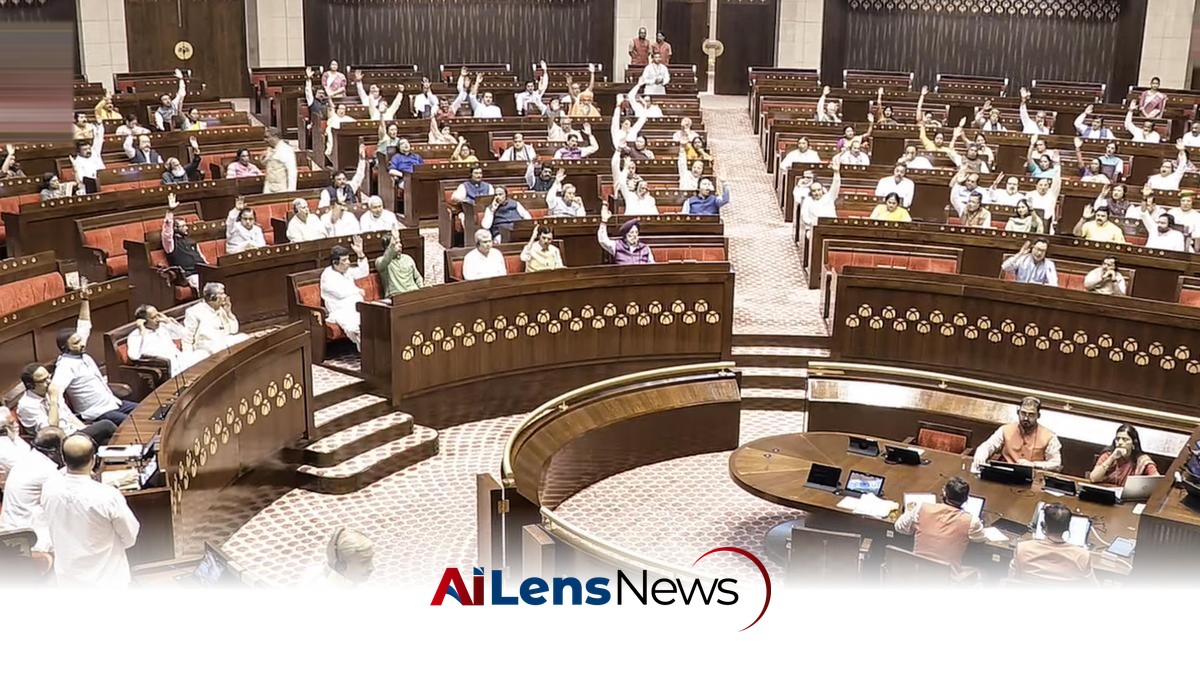


The Monsoon Session concludes with significant protests, resulting in several bills being passed without debate and the Lok Sabha adjourned indefinitely.
New Delhi, India Aug 14, 2026 ALN: The Monsoon Session of Parliament, an event that occurs annually during the rainy season in India, is often characterized by a mix of legislative activity and political drama. Traditionally, this session has been a platform for the government to present its agenda and for opposition parties to voice their concerns. However, the recent session has garnered attention not only for its legislative outcomes but also for the protests that overshadowed the proceedings.
At the outset of this year’s Monsoon Session, the government, led by the Bharatiya Janata Party (BJP), had ambitious plans to pass a series of significant bills. Among these were proposed amendments to the Foreign Contribution Regulation Act (FCRA), which governs the acceptance of foreign funds by Indian organizations, and the Delimitation Bill, aimed at redefining the boundaries of electoral constituencies. These legislative initiatives were anticipated to spark considerable debate, given their potential implications for both governance and electoral politics.
The FCRA amendments are particularly significant as they pertain to the regulation of foreign funding for non-governmental organizations (NGOs) and other entities in India. Critics argue that stricter controls could hinder the operations of civil society groups, particularly those advocating for human rights and environmental issues. The Delimitation Bill, on the other hand, is crucial for electoral representation, as it seeks to redraw constituency boundaries based on the latest census data. Such changes can have profound effects on political representation and electoral outcomes, making it a contentious issue among various political factions.
However, the session quickly transformed into a battleground for various protests, primarily driven by the youth of the nation, often referred to as GenZ. This demographic has increasingly become vocal about their discontent regarding rising unemployment rates and the broader economic challenges facing the country. The unemployment rate in India has been a pressing concern, exacerbated by the impacts of the COVID-19 pandemic and subsequent economic disruptions. The protests were not limited to a single issue but encompassed a range of grievances, reflecting the frustrations of a generation that feels sidelined in the current political discourse.
As the session progressed, protests erupted both inside and outside Parliament. Young activists and students took to the streets, demanding accountability from the government and urging lawmakers to prioritize employment and economic stability. The opposition parties seized upon these sentiments, uniting to demand a more serious discussion on unemployment, economic policy, and other pressing issues. Their calls for dialogue, however, were met with resistance from the ruling party, leading to a charged atmosphere within Parliament. The inability to engage in constructive discussions has raised alarms about the state of democratic practices in India, particularly the role of Parliament as a forum for debate and deliberation.
The protests highlighted a growing discontent among the populace, particularly with regard to the government’s handling of economic issues. Many young people expressed feelings of disenfranchisement, arguing that their voices were not being heard in the political arena. This sentiment was echoed by various civil society organizations, which criticized the government for its perceived indifference to the challenges facing the youth.
Despite the protests and the growing discontent among opposition parties, the government proceeded to pass several bills with what many perceived as insufficient debate. This approach has sparked a significant backlash from opposition leaders and civil society organizations, who argue that such practices undermine the very foundation of democracy. The rushed passage of legislation without thorough examination raises critical questions about transparency, accountability, and the legislative process itself. Critics contend that bypassing comprehensive debate not only jeopardizes the quality of legislation but also erodes public trust in democratic institutions.
The abrupt conclusion of the Monsoon Session, marked by the indefinite adjournment of the Lok Sabha, reflects a broader trend of political instability and unrest. Many observers had hoped that this session would serve as an opportunity to address critical issues, yet the lack of dialogue and engagement has left many feeling disillusioned. The decision to adjourn without addressing the concerns raised by the opposition and the public has led to accusations of the government prioritizing expediency over democratic principles. This situation has raised concerns about the future of parliamentary democracy in India, where open discourse and debate are essential for effective governance.
The implications of this session extend beyond the immediate legislative outcomes. The dissatisfaction expressed by the youth and various civil society groups may signal a growing disconnect between the government and the populace. As citizens continue to voice their frustrations over governance and policy decisions, the potential for further unrest looms large on the horizon. The current political climate raises questions about the future of democratic engagement in India, particularly as the next election cycle approaches.
Moreover, the handling of the Monsoon Session may have long-term ramifications for the BJP and its allies. The perception of an unresponsive government could impact voter sentiment, particularly among younger voters who are increasingly engaged in political activism. If the government fails to address the concerns of the youth and other marginalized groups, it risks alienating a significant portion of the electorate. This alienation could manifest in various ways, including decreased voter turnout, increased support for alternative political movements, or even the emergence of new political parties that resonate more with the aspirations of the younger generation.
In conclusion, the Monsoon Session of Parliament has ended amid protests and unpassed bills, leaving a sense of uncertainty in its wake. The government's approach to legislation, characterized by a lack of dialogue and rushed decision-making, has sparked widespread criticism and raised concerns about the health of democracy in India. As the political landscape continues to evolve, the need for meaningful engagement between the government and its citizens has never been more critical. The events of this session may serve as a turning point, prompting a reevaluation of how legislative processes are conducted and how the voices of the people are acknowledged in the corridors of power. The future of Indian democracy may hinge on the ability of lawmakers to bridge the gap between governance and the aspirations of the populace.
To learn more about the latest developments in Politics, stay updated with our exclusive reports and analyses on AiLensNews.

