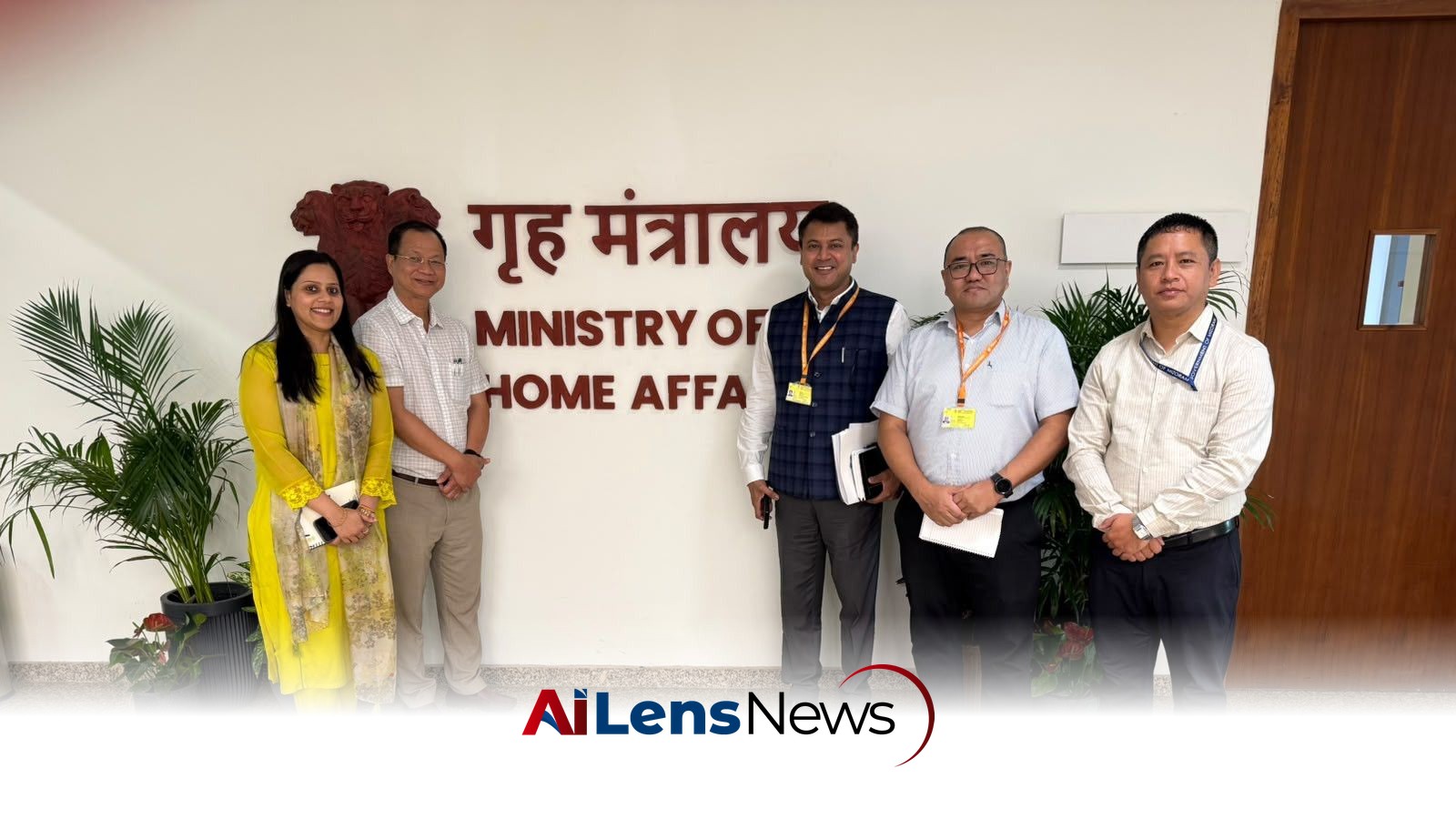


Mizoram has been allocated ₹10 crore under the Community-Based Disaster Risk Reduction programme to enhance disaster preparedness at the village level.
Aizawl, India Jul 29, 2026 ALN: Aizawl: Mizoram has been earmarked ₹10 crore under the Community-Based Disaster Risk Reduction (CBDRR) programme to strengthen disaster preparedness at the village level through improved planning, safer building systems, and enhanced community capacity. This funding is part of a broader strategy aimed at enhancing the resilience of local communities against the increasing threat of natural disasters, which have become a significant concern for the state in recent years. The state has been grappling with various natural calamities including landslides, floods, and earthquakes, which have had devastating impacts on the lives and livelihoods of its residents.
The allocation was discussed during a high-level review meeting between Mizoram Disaster Management and Rehabilitation Minister Prof. Lalnilawma and officials of the Ministry of Home Affairs (MHA) and the National Disaster Management Authority (NDMA) in New Delhi. The meeting reviewed the progress of disaster mitigation projects and the state’s long-term disaster resilience strategy, which is crucial considering Mizoram's vulnerability to various natural calamities. The state is located in a hilly region with steep terrain, which makes it particularly prone to landslides during the monsoon season, exacerbated by heavy rainfall and deforestation.
Officials highlighted that the CBDRR programme will focus on developing disaster-resilient villages through local disaster planning, strengthening building approval systems, improving preparedness, and equipping communities to respond more effectively to natural disasters. This initiative is particularly important in a state like Mizoram, where geographical factors such as steep terrain and heavy rainfall contribute to a high risk of landslides and other disasters. Additionally, the socio-economic conditions in many villages make it difficult for communities to recover quickly from such events, underscoring the need for robust disaster risk management frameworks.
Prof. Lalnilawma emphasized the state government’s commitment to strengthening disaster resilience at the grassroots level by empowering local institutions and integrating disaster risk reduction into village-level planning. By promoting community involvement and ownership of disaster preparedness initiatives, the government aims to foster a culture of resilience that can adapt to the challenges posed by climate change and other environmental pressures. Community engagement is vital as it ensures that local knowledge and practices are incorporated into disaster management strategies, making them more effective and culturally relevant.
The meeting also reviewed the implementation of the National Landslide Risk Mitigation Programme. The MHA advised the state to work closely with the Geological Survey of India (GSI) in preparing digital elevation models, slope investigations, and other technical studies required for implementing sanctioned projects. The ministry noted that the GSI had expressed its willingness to provide technical assistance, which is vital for ensuring that the projects are scientifically sound and effectively address the risks associated with landslides. This collaboration is critical as it not only enhances the technical capacity of the state but also ensures that interventions are based on reliable data and assessments.
Minister Lalnilawma reiterated the government’s commitment to ensuring the early execution of approved landslide mitigation projects through close coordination with the GSI and the Public Works Department. This collaboration is essential not only for the timely completion of projects but also for leveraging expert knowledge in geotechnical assessments and disaster risk management. The integration of scientific research into practical applications is a fundamental aspect of effective disaster management, particularly in a state like Mizoram, where natural disasters are frequent and often unpredictable.
Officials also reviewed disaster mitigation initiatives covering forest fire management, earthquake risk reduction, and other approved projects. The MHA noted that while several interventions have already received financial approval, the timely submission of Detailed Project Reports (DPRs) and technical documentation would be crucial for releasing subsequent installments and commencing implementation. This highlights the importance of efficient bureaucratic processes in the successful execution of disaster management projects. Delays in documentation can hinder the progress of essential projects, which may leave communities vulnerable to disasters.
The Disaster Management and Rehabilitation Department informed the meeting that it has begun reviewing pending proposals and will prioritize the submission of the required DPRs. This proactive approach is necessary to ensure that Mizoram can access the resources needed to enhance its disaster preparedness and response capabilities. By streamlining the proposal process, the state aims to accelerate the implementation of critical projects that can save lives and reduce economic losses during disasters.
The MHA also encouraged Mizoram to implement the Union Home Minister’s 10-point Disaster Resilience Agenda, which focuses on strengthening the State Disaster Management Authority (SDMA), District Disaster Management Authorities (DDMAs), hazard-specific planning, and institutional capacity building. By following this agenda, Mizoram aims to create a more robust framework for disaster management that can effectively address the unique challenges faced by the state. The 10-point agenda emphasizes the need for a multi-faceted approach to disaster management, which includes not only preparedness but also mitigation and recovery strategies.
The meeting also examined Mizoram’s growing disaster risks, including landslides, rockfalls, rapid vertical urbanization in Aizawl, and the state’s location in Seismic Zone V. These factors contribute to an increasingly precarious situation for residents, necessitating urgent and comprehensive disaster risk management strategies. The MHA welcomed the state’s proposal to develop a planned ‘Peace City’, noting that planned urban expansion could help reduce future disaster risks while supporting sustainable development. This initiative underscores the need for strategic urban planning that takes into account environmental vulnerabilities and promotes resilience. Urban planning that integrates disaster risk reduction principles can significantly mitigate the impacts of disasters on urban populations.
The two sides also discussed organizing a North East Disaster Management Ministers’ Conclave in Mizoram later this year to strengthen regional cooperation on disaster risk reduction. Such collaborations are essential for sharing knowledge, resources, and best practices among states that face similar challenges. The Northeast region of India is particularly susceptible to various natural disasters, and a concerted effort to address these risks through regional cooperation can lead to more effective disaster management strategies. Both the Centre and the state reaffirmed their commitment to accelerating disaster mitigation projects and enhancing Mizoram’s long-term disaster resilience.
In conclusion, the allocation of ₹10 crore to Mizoram under the CBDRR programme represents a significant step towards bolstering the state’s disaster preparedness at the village level. As climate change continues to exacerbate the frequency and intensity of natural disasters, initiatives like this are crucial for protecting vulnerable communities and ensuring sustainable development in the region. The collaboration between state and central authorities, along with the involvement of local communities, will be vital to the success of these disaster resilience efforts, ultimately leading to a safer and more secure future for the people of Mizoram. The importance of building a resilient community cannot be overstated, as it not only protects lives and property but also fosters economic stability and social cohesion in the face of adversity.
To learn more about the latest developments in Health & Public Safety, stay updated with our exclusive reports and analyses on AiLensNews.

