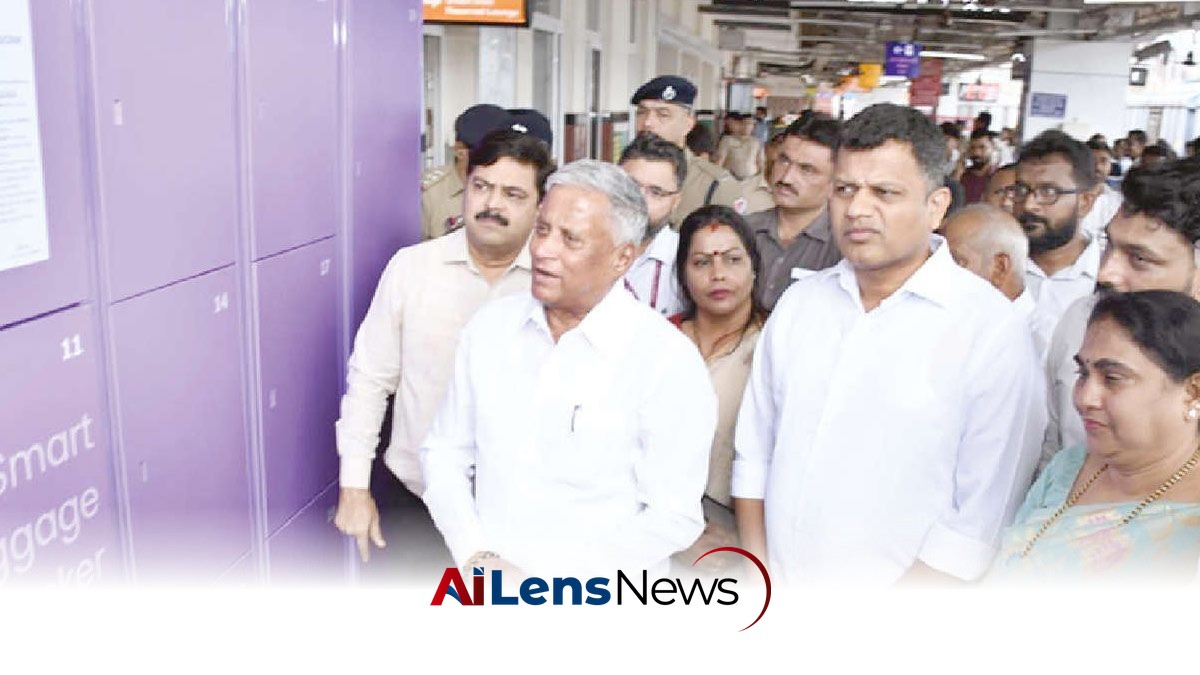


During an inspection, Minister V Somanna emphasized the need for timely completion of the redevelopment at Mangaluru Junction under the Amrit Bharat Station Scheme.
New Delhi, India May 25, 2026 ALN: Mangaluru: Minister of State for Railways V Somanna conducted a thorough inspection of the Mangaluru Junction Railway Station, focusing on the progress of its redevelopment under the Amrit Bharat Station Scheme. This scheme, launched by the Indian government, aims to modernize and upgrade railway stations across the country, enhancing passenger experience and operational efficiency. The initiative is part of a broader effort to revitalize the Indian railway system, which is one of the largest in the world and serves millions of passengers daily.
The Mangaluru Junction Railway Station, a significant transit point in Karnataka, plays a vital role in connecting the region with major cities and states. Its redevelopment is not only crucial for improving facilities but also for boosting local tourism and economic growth. The station, which serves thousands of passengers daily, has been in need of modernization to meet the increasing demands of rail travel in India. Given the rapid urbanization and population growth in the region, the existing infrastructure has struggled to keep pace, leading to overcrowding and inadequate facilities.
During his inspection, Minister Somanna assessed ongoing infrastructure projects and passenger amenities while engaging with travelers to gather insights into their expectations and experiences. This direct interaction with the public is part of a broader strategy to ensure that the redevelopment aligns with the needs of the community. Feedback from passengers is invaluable as it helps identify areas needing improvement, from basic amenities like waiting areas and sanitation facilities to more advanced services such as digital information systems. Such engagement not only fosters a sense of community involvement but also helps the authorities prioritize the most pressing needs of the users.
Somanna insisted on maintaining high-quality standards throughout the project and directed officials and contractors to elevate the station's design and accessibility, aiming for a facility that embodies national pride. The emphasis on quality is particularly important given the scale of investment, which is estimated at Rs. 19.62 crore. Such financial commitments necessitate rigorous oversight to ensure that the funds are utilized effectively and that the resulting infrastructure is durable and sustainable. The investment reflects the government's recognition of the strategic importance of modernizing railway infrastructure to support economic growth and improve public transport.
The redevelopment project is set to feature modern architecture, enhanced facilities, and sustainable infrastructure. This includes the installation of energy-efficient lighting, improved waste management systems, and the incorporation of green spaces. Sustainable design principles are increasingly being integrated into public infrastructure projects, reflecting a growing awareness of environmental concerns and the need for responsible resource management. By prioritizing sustainability, the project aims to minimize its ecological footprint while providing a functional and aesthetically pleasing environment for travelers.
In a subsequent review meeting with railway officials, the Minister acknowledged the efforts of the Palakkad Division team and stressed the importance of regular monitoring to ensure timely completion. This monitoring is critical not only for adhering to the project timeline but also for addressing any challenges that may arise during construction. Infrastructure projects of this scale often encounter unforeseen delays due to a variety of factors, including weather conditions, supply chain disruptions, and labor issues. Effective project management and communication among stakeholders are essential to navigate these challenges successfully.
Accompanying Somanna during the inspection were Captain Brijesh Chowta, MP from Dakshina Kannada, and Madhukar Roat, Divisional Railway Manager of the Palakkad Division, along with other senior officials. The presence of local political leaders underscores the collaborative effort between state and central government authorities to enhance railway infrastructure in the region. This cooperation is vital for ensuring that redevelopment projects are aligned with regional development goals and that they receive the necessary political support and funding. Local leaders play a crucial role in advocating for infrastructure improvements that benefit their constituents and contribute to regional development.
As part of the Amrit Bharat Station Scheme, the Mangaluru Junction Railway Station is one of many stations earmarked for redevelopment across India. The initiative reflects the government's commitment to modernizing the railway network, which is a critical component of the country's transportation infrastructure. The railway sector in India is not only essential for passenger travel but also for freight movement, making it a backbone of the economy. The modernization of stations is expected to enhance the overall efficiency of rail operations, thereby supporting both passenger and freight services.
In recent years, the Indian Railways has faced numerous challenges, including outdated infrastructure, overcrowding, and safety concerns. The Amrit Bharat Station Scheme aims to address these issues by providing stations with modern amenities, thereby improving the overall travel experience. Enhanced facilities at railway stations can lead to increased passenger satisfaction, which is crucial for attracting more travelers to rail transport, thereby reducing congestion on roads and promoting sustainable travel options. Improved railway services can also alleviate pressure on urban transport systems, contributing to a more integrated and efficient transportation network.
The redevelopment of Mangaluru Junction also has implications for local businesses and the economy. Improved railway facilities can lead to increased foot traffic in the area, benefiting local vendors and service providers. Moreover, a modernized station can facilitate better connectivity for tourists, potentially boosting the local tourism sector, which is vital for the economy of Mangaluru and surrounding areas. Enhanced connectivity can make Mangaluru a more attractive destination for both domestic and international tourists, encouraging longer stays and increased spending in the local economy.
In conclusion, the redevelopment of Mangaluru Junction Railway Station under the Amrit Bharat Station Scheme represents a significant step towards modernizing India's railway infrastructure. It highlights the government's focus on enhancing passenger experience, promoting sustainability, and fostering economic growth. As the project progresses, it will be important for stakeholders to maintain transparency and engage with the community to ensure that the redevelopment meets the needs and expectations of all users. Continuous dialogue between the authorities, passengers, and local businesses will be essential for the successful implementation of the project and to maximize its benefits for the community as a whole. The ongoing transformation of Mangaluru Junction Railway Station serves as a model for future infrastructure projects across the country, demonstrating the potential for modern rail facilities to contribute positively to regional development.
To learn more about the latest developments in Local & Regional, stay updated with our exclusive reports and analyses on AiLensNews.

