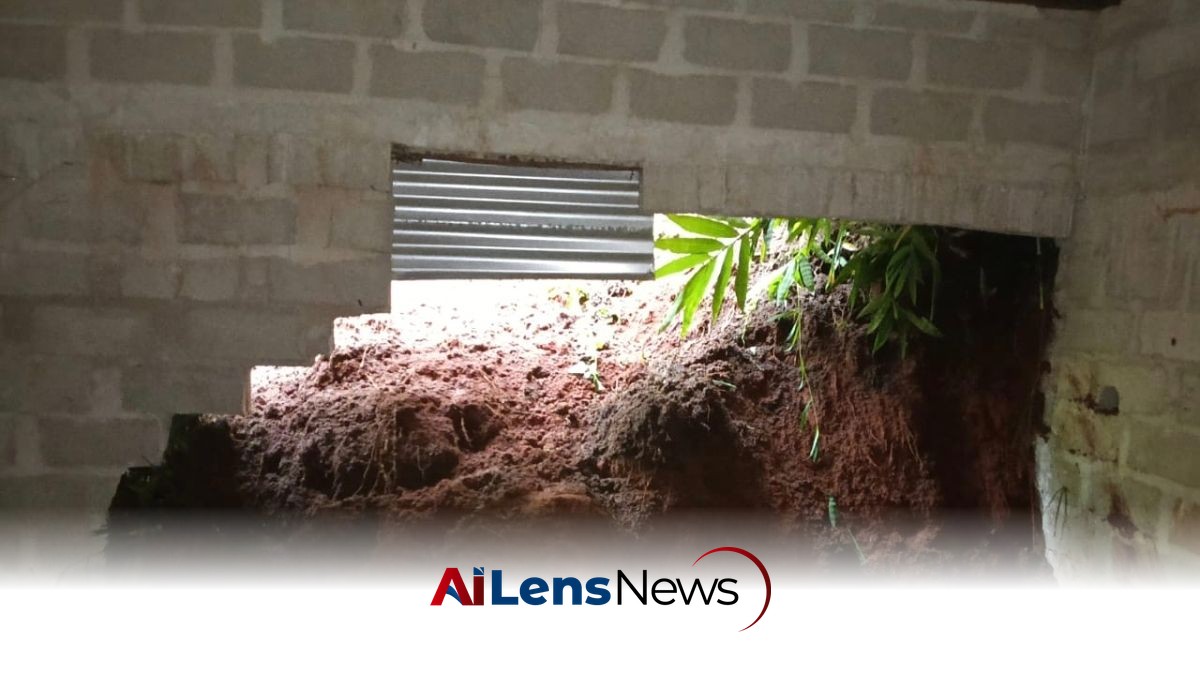


A seven-year-old boy died in a landslide in Ri Bhoi, while four other family members sustained injuries. The incident occurred during heavy rainfall.
Shillong, India Jul 21, 2026 ALN: A seven-year-old boy was killed after a rain-induced landslide covered his house while he and other family members were sleeping.
According to the police, on Monday around 4 am, due to heavy rainfall, there was a landslide over the house of Stolin Khymdeit at Umlamphlang village. The family members were asleep when the incident took place, the police said, adding that one of his sons, Pynhun Umbah (7), received severe injuries and died on the spot. Meanwhile, the father Khymdeit (40) and his other three children, Pynskhem Umbah (16), Ebani Umbah (13), and Saphira Umbah (8), sustained injuries and were taken to Umtrai PHC for medical observation.
This tragic event highlights the dangers posed by landslides, particularly in regions like Ri Bhoi, where heavy rainfall can lead to sudden and devastating geological events. Landslides are common in hilly and mountainous areas, especially during the monsoon season when the soil becomes saturated with water. In the case of Umlamphlang village, the combination of steep terrain and heavy rain created the perfect conditions for a landslide, which ultimately led to this heartbreaking incident.
The impact of landslides can be severe, leading not only to loss of life but also to significant damage to property and infrastructure. In many cases, landslides can block roads, disrupt transportation, and even cut off access to essential services such as healthcare and emergency response. The aftermath of such disasters often requires extensive recovery efforts, including search and rescue operations and rebuilding efforts for affected communities.
In the wake of such tragedies, local governments and disaster management authorities typically monitor weather patterns and geological conditions to anticipate and mitigate the risks associated with landslides. However, predicting the exact timing and location of a landslide remains a challenge due to the complex interplay of environmental factors. This incident serves as a reminder of the need for ongoing education and preparedness in communities that are prone to such natural disasters.
In response to this tragedy, community members and local leaders may come together to provide support to the affected family and to discuss preventive measures that can be taken to reduce the risk of future landslides. This could include improving drainage systems, reforestation efforts to stabilize soil, and creating awareness about the signs of potential landslide activity.
Furthermore, this incident raises important questions about climate change and its impact on weather patterns. As global temperatures rise, many regions are experiencing more intense and unpredictable weather events, including heavy rainfall that can lead to landslides. Communities around the world are grappling with the implications of climate change, and this tragedy in Umlamphlang village underscores the urgent need for comprehensive strategies to address environmental challenges.
In the wake of such incidents, it is also crucial for families living in high-risk areas to have emergency plans in place. This includes knowing what to do in the event of a landslide, having access to emergency supplies, and maintaining communication with local authorities. Education and preparedness can save lives and help communities respond more effectively to natural disasters.
The emotional toll on families affected by landslides is profound. The loss of a child is an unimaginable tragedy, and the surviving family members must navigate the grief and trauma that follows such an event. Community support plays a vital role in helping families heal and recover, and local organizations may step in to provide counseling and resources to those impacted by the landslide.
In conclusion, the tragic loss of Pynhun Umbah serves as a stark reminder of the dangers posed by natural disasters such as landslides. It highlights the need for vigilance, preparedness, and community support in the face of such challenges. As the region continues to grapple with the impacts of climate change and extreme weather, it is imperative that local governments, communities, and individuals work together to create safer environments and to support those affected by these devastating events.
The landscape of Ri Bhoi district, characterized by its hilly terrain and lush greenery, is not only beautiful but also presents unique challenges. Landslides, often triggered by heavy rainfall, are a frequent occurrence in this region. The monsoon season, which typically spans from June to September, brings with it intense rainfall that can saturate the soil, making it susceptible to erosion and collapse. The geological composition of the area, combined with deforestation and land use changes, further exacerbates the risk of landslides.
In recent years, the frequency and intensity of landslides have increased, raising concerns among local authorities and residents alike. The government has implemented various measures to mitigate the risks, including improved monitoring systems and public awareness campaigns. However, these efforts often fall short in the face of severe weather events, leading to tragic outcomes like the one experienced by the Khymdeit family.
The impact of such disasters is not limited to the immediate loss of life and property. The long-term implications can affect community cohesion, economic stability, and mental health. Families who lose loved ones in landslides may struggle with grief and trauma for years to come, affecting their ability to work and engage with their community. Local economies, particularly those reliant on agriculture and tourism, can also suffer as infrastructure is damaged and access to markets is disrupted.
In the wake of this tragedy, there is an opportunity for local leaders and policymakers to engage in meaningful discussions about disaster preparedness and climate resilience. By investing in sustainable land management practices, enhancing early warning systems, and fostering community engagement, the region can better prepare for the challenges posed by natural disasters. Collaborative efforts between government agencies, non-governmental organizations, and local communities are essential to creating a comprehensive approach to disaster risk reduction.
Moreover, the role of education cannot be overstated. Schools and community organizations can play a pivotal role in raising awareness about the risks associated with landslides and the importance of preparedness. By teaching children and families about safety measures and emergency response, communities can empower individuals to take proactive steps in safeguarding their lives and property.
As the world grapples with the realities of climate change, it is crucial for regions like Ri Bhoi to adapt and evolve. The lessons learned from tragedies such as the loss of Pynhun Umbah can inform future strategies for disaster management and community resilience. Through collective action and a commitment to safeguarding the environment, it is possible to create a safer future for all residents.
To learn more about the latest developments in Crime & Law, stay updated with our exclusive reports and analyses on AiLensNews.

