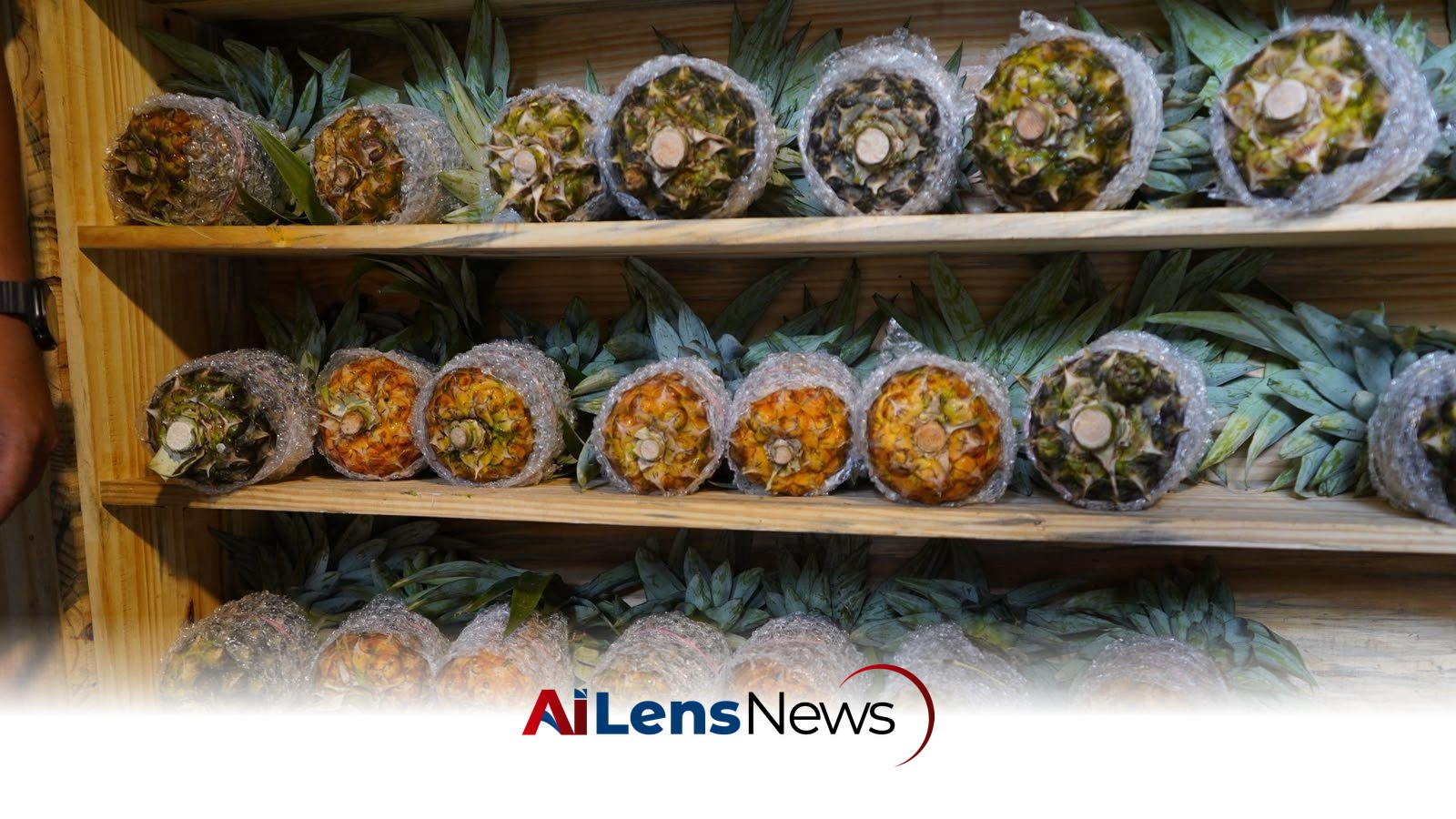


Shillong's renowned pineapples have made their debut on Swiggy Instamart, providing Bangaloreans with quick access to this prized fruit, thanks to Jirang Organic Farmer Producer Company.
Shillong, India Jul 24, 2026 ALN: Shillong, the capital of , is renowned for its lush landscapes and diverse agricultural produce, among which the pineapple stands out as a particularly prized fruit. The recent announcement that Shillong's famed pineapples are now available for quick delivery in Bengaluru marks a significant milestone for both the farmers of and the urban consumers in southern India. This initiative, which allows consumers in Bengaluru to order ‘Pineapple from Shillong’ through Swiggy Instamart, is not only a testament to the growing trend of quick-commerce but also highlights the potential for regional agricultural products to penetrate urban markets.
The initiative is facilitated by the Jirang Organic Farmer Producer Company (FPC), which plays a crucial role in the aggregation and distribution of these pineapples. By utilizing air freight, the FPC is able to deliver fresh produce directly to consumers, ensuring that the fruit retains its quality and taste. This new market channel represents a significant shift for the farmers of Shillong, who have traditionally relied on local markets and mandis (wholesale markets) for sales. The air freight logistics allow for quicker delivery times, which is essential in maintaining the freshness of perishable goods like pineapples.
Currently retailing at approximately Rs 139 per fruit, these pineapples are sourced through organized aggregation by the FPC. This structured approach not only streamlines the supply chain but also empowers farmers by providing them with better pricing options. The ability to negotiate landing prices directly with urban markets means that farmers can secure significantly higher farm-gate returns compared to what they would typically earn through traditional mandi sales. As stated in a government press release, this initiative is about more than just selling fruit; it is about branding, logistics, and providing farmers with access to premium markets.
The branding aspect is particularly noteworthy. When a pineapple is sold by name in a city like Bengaluru, it builds identity and value for the produce. This is a strategic move that highlights the unique qualities of Shillong’s pineapples, which are known for their sweetness and low acidity, making them highly sought after by consumers. The fruit's geographical indication (GI) tag further enhances its reputation, as it signifies that the pineapples possess specific qualities attributable to their geographical origin. Such branding efforts are essential in a competitive market where consumers are increasingly looking for quality and authenticity in their food choices.
In recent years, Shillong pineapples have already found their way into retail chains in major cities like Delhi and have even been exported to the Middle East. Additionally, they are celebrated at the annual Pineapple Festival, which showcases the agricultural heritage of and promotes local products. The festival not only serves as a platform for farmers to display their produce but also as a cultural event that attracts tourists and promotes local tourism. The festival has grown in popularity, drawing attention not only to the pineapples but also to the variety of agricultural products that the region has to offer.
For consumers in Bengaluru, the availability of quick delivery—within just 10 minutes—means that they can enjoy this GI-tagged fruit without the long wait typically associated with traditional grocery shopping. The convenience of quick commerce is appealing, especially for urban dwellers who often seek immediate access to fresh produce. This model of direct delivery also reduces the reliance on middlemen, thereby ensuring that a larger portion of the sale price goes directly to the farmers, enhancing their income and livelihoods. This shift towards direct sales models is indicative of a broader trend in consumer behavior, where convenience and quality are prioritized.
The state government of recognizes the importance of this initiative and has committed to strengthening Farmer Producer Organizations (FPOs), improving post-harvest infrastructure, and enhancing cold-chain logistics. These efforts are aimed at replicating this successful model for other high-value crops, which could significantly boost the agricultural economy of the region. By investing in the necessary infrastructure and support systems, the government hopes to empower farmers across different sectors, ensuring that they can access lucrative markets and improve their financial stability. This kind of government support is crucial for fostering an environment where agricultural innovation can thrive.
This development not only benefits the farmers and consumers but also has broader implications for the agricultural landscape in India. It reflects a growing trend towards direct-to-consumer sales models, which are becoming increasingly popular in urban settings. As more consumers become aware of the benefits of purchasing locally sourced and branded products, there is potential for a shift in consumer behavior that favors fresh, high-quality produce over mass-produced alternatives. This trend aligns with a global movement towards sustainable consumption, where consumers are more conscious of the origins of their food and its impact on local economies.
Moreover, the success of this initiative could inspire similar ventures in other regions of India, where unique agricultural products can be marketed and sold directly to urban consumers. This could lead to a revitalization of rural economies, as farmers gain access to better markets and consumers benefit from fresher, high-quality produce. The intersection of technology, agriculture, and consumer demand is paving the way for innovative solutions that can address some of the longstanding challenges faced by farmers in India, such as price volatility and market access.
In conclusion, the introduction of Shillong's pineapples to the Bengaluru market through quick commerce represents a significant advancement for both the agricultural sector in and the urban consumer experience. This initiative not only enhances the economic prospects for farmers but also underscores the importance of branding, logistics, and direct market access in today’s rapidly evolving food landscape. As the state government continues to support these efforts, the potential for growth and development within the agricultural sector remains promising, paving the way for a more sustainable and profitable future for farmers in the region. The implications of this initiative extend beyond mere fruit sales; they signify a transformative change in how agricultural products can be marketed and consumed in India, fostering a more equitable relationship between producers and consumers.
To learn more about the latest developments in Crime & Law, stay updated with our exclusive reports and analyses on AiLensNews.

