

Outrage follows allegations that police conducted a postmortem without family consent, raising calls for an independent investigation into Nilutpal Mili's death.
Shillong, India Jul 14, 2026 ALN: Protests erupted outside the Bangalmora Police Outpost in Assam's Lakhimpur district on Monday after allegations surfaced that the body of a youth, who died under mysterious circumstances during a picnic outing, was sent for postmortem examination without the knowledge of his family.
The incident has sparked tension in the area, with villagers demanding a thorough investigation into the death of Nilutpal Mili, a first-semester BA student of Bihpuria College and a resident of Miri Gaon under Bangalmora. The protests reflect a growing concern over police transparency and accountability in handling sensitive cases, particularly those involving young individuals.
"Nilutpal Mili's body was sent to Lakhimpur Medical College and Hospital for postmortem examination without informing his parents or family. That is why the family is aggrieved," a local resident who participated in the protest said. This sentiment was echoed by many others in the community, who expressed their frustration over the perceived lack of respect for the family's rights during such a tragic time.
Questioning the circumstances surrounding the death, the protester added, "Why was the family kept in the dark? The family suspects a pre-planned conspiracy and murder. Those who accompanied him are also being viewed as suspects." This statement highlights the deep mistrust that has developed between the community and the local police, further fueled by the mysterious nature of Mili's death.
According to local residents, Mili had gone to the Sesa river area along the Assam-Arunachal Pradesh border on Sunday with five friends, Pranjal Debnath, Arian Debnath, Sumit Das, Dibyajyoti Bora, and Biswajit Bora, on two-wheelers for a picnic. The choice of location for their outing, near the border, has added an additional layer of complexity to the investigation, as it raises questions about the jurisdiction and the protocols followed by the police in such situations.
Later that evening, his companions allegedly brought him dead to the Bangalmora Police Outpost. This abrupt transition from a day of leisure to a grim reality has left many in the community in disbelief and mourning. The family alleged that the police subsequently sent the body to Lakhimpur Medical College and Hospital (LMCH) for postmortem examination without informing them or obtaining their consent, further exacerbating their grief and anger.
The allegation triggered outrage in Miri Gaon, prompting a large number of residents to gather outside the police outpost on Monday to demand action and a fair investigation. The emotional toll of losing a young life in such an unsettling manner has galvanized the community, leading to large-scale protests that are not only about Mili's death but also about broader issues of police conduct and community rights.
Another woman protester demanded action against the police officials involved, saying, "How could the officer-in-charge of Bangalmora send the body for postmortem without informing the family? From whom did the police obtain permission without the knowledge of the guardians? We came to know about it later. The OC should be suspended immediately." This call for accountability reflects a deep-seated frustration with the police's handling of the situation, as well as a demand for justice for Mili.
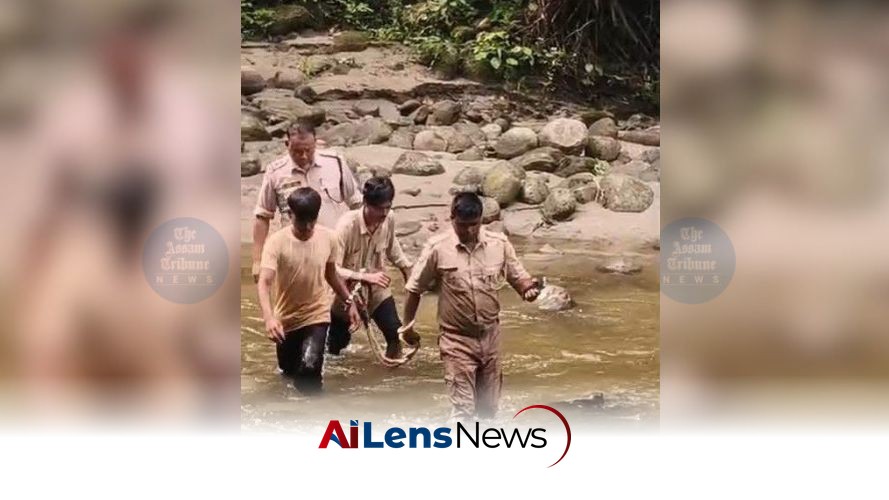
Meanwhile, Lakhimpur Police detained the five youths who had accompanied Mili to the picnic spot and reportedly took them to the Sesa river site on Monday, located inside Arunachal Pradesh, to reconstruct the sequence of events leading to his death. The decision to detain the youths indicates the police's intent to investigate thoroughly but also raises concerns about the treatment of these individuals as suspects rather than witnesses at this stage.
Police had not issued any official statement on the allegations or the cause of death till the time of filing of this report. The lack of communication from law enforcement has only fueled suspicions and anger among residents, who feel that they are being kept in the dark about crucial information regarding the investigation.
The mysterious death of Nilutpal Mili has raised several questions regarding police procedures and the rights of families in such tragic circumstances. The protests reflect a growing frustration among local communities regarding law enforcement's handling of sensitive cases. The lack of communication from the police regarding the postmortem examination has only fueled suspicions and anger among residents, who feel that their concerns are being ignored.
This incident is not an isolated one; it highlights a broader issue concerning the relationship between police and communities in Assam, where allegations of police misconduct and insensitivity have been reported in the past. The public's demand for transparency and accountability is a recurring theme in many similar cases across the region. Community trust in law enforcement is critical, and the failure to maintain this trust can lead to significant social unrest.
In Assam, tensions between law enforcement and the public have been exacerbated by recent incidents of violence and unrest. The state has seen a rise in protests against police actions, particularly in cases involving young individuals and students. The death of a young person, especially under dubious circumstances, often leads to heightened emotions and a demand for justice, as communities rally to support the grieving families. This trend underscores the need for law enforcement to approach such cases with sensitivity and a commitment to transparency.
Moreover, the legal framework surrounding postmortem examinations in India mandates that the family of the deceased should be informed and involved in the process. The failure to adhere to these protocols not only undermines the trust between the police and the community but also raises legal and ethical questions about the handling of such sensitive matters. Ensuring that families are informed and involved in the process is not just a legal obligation but a moral one, reflecting respect for the deceased and their loved ones.
As the investigation unfolds, it is crucial for authorities to address the concerns raised by the family and the community. A transparent inquiry into the circumstances of Mili's death, along with a review of police procedures, could help restore some level of trust among the residents of Miri Gaon and surrounding areas. The community's demand for justice is not just about Mili; it is about ensuring that such incidents do not happen again and that families are treated with the respect they deserve during their times of grief.
In the wake of the protests, it remains to be seen how the local police will respond to the demands for accountability. The involvement of the youths who were with Mili during the picnic adds another layer of complexity to the investigation. Their testimonies will be critical in piecing together the events leading to the tragic incident, and how they are treated in the process will be closely scrutinized by the community.
Furthermore, the implications of this case extend beyond the immediate community. It serves as a reminder of the need for better communication and protocols within law enforcement agencies, particularly in cases involving young individuals. As communities continue to grapple with issues of safety, justice, and police accountability, the outcome of this case could set a precedent for how similar situations are handled in the future. The community's response to this incident may influence how law enforcement agencies approach their interactions with the public moving forward.
In conclusion, the protests following the mysterious death of Nilutpal Mili underscore the urgent need for a thorough investigation and a reevaluation of police practices in Assam. The community's call for justice reflects a broader demand for systemic change and accountability within law enforcement, which is essential for fostering trust and cooperation between the police and the public they serve. As the situation develops, the focus will remain on ensuring that justice is served and that the rights of families are respected in the face of tragedy.
To learn more about the latest developments in Crime & Law, stay updated with our exclusive reports and analyses on AiLensNews.

