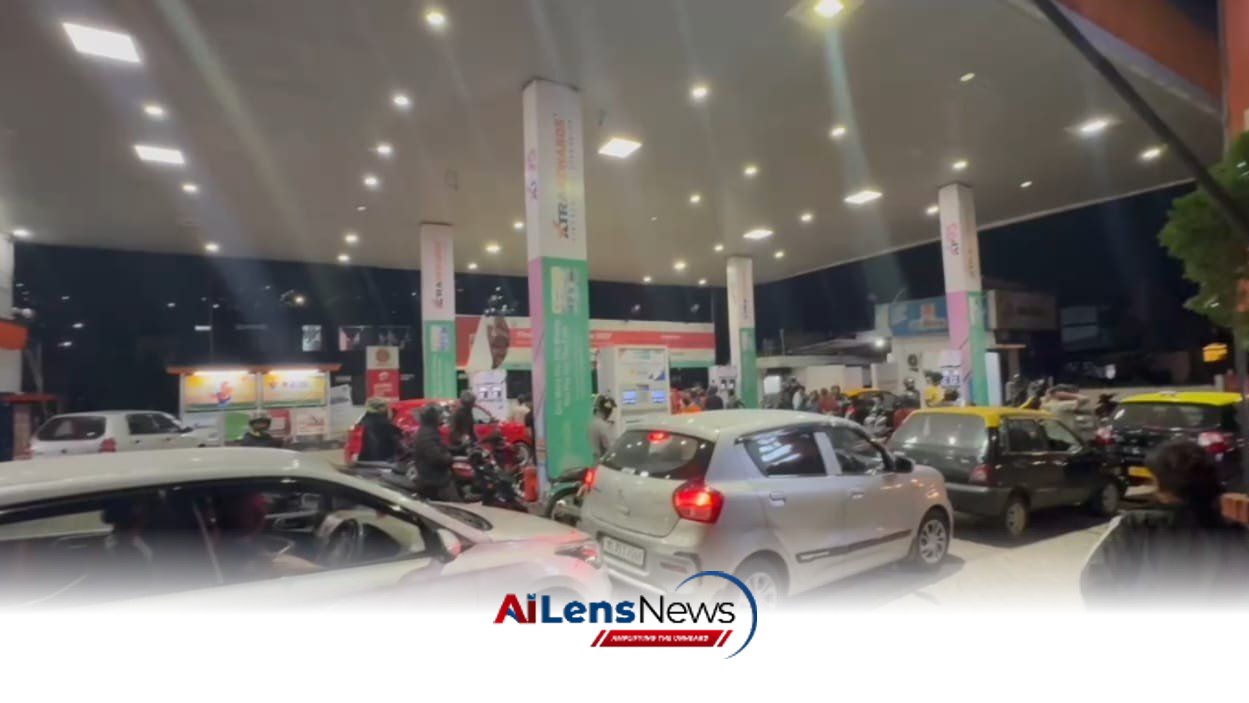



Petrol stations in Shillong face overwhelming demand as buyers rush to stock up following news of an indefinite halt in fuel loading by the North East Petroleum Mazdoor Union.
Shillong, India Aug 22, 2026 ALN: Petrol stations in Shillong and other parts of the state experienced a surge in demand today after reports emerged that the North East Petroleum Mazdoor Union had decided on an indefinite cessation of loading and unloading of products until peace is restored. This decision by the union is rooted in ongoing tensions and disputes that have been affecting the region's oil supply chain, leading to widespread concern among consumers about potential fuel shortages.
The North East Petroleum Mazdoor Union, representing workers involved in the loading and unloading of petroleum products, has been at the center of labor disputes that have escalated in recent weeks. These disputes often arise from grievances regarding working conditions, wages, and job security, which are common issues in the labor landscape of the northeastern states of India. The union's decision to halt operations is a significant escalation that reflects the seriousness of the situation and the impact of labor relations on essential services.
As news of the union's decision spread, long queues formed at various petrol stations across the city, as consumers rushed to stock up, driven by uncertainty regarding future fuel supplies. Panic buying is not uncommon in situations where supply chains are threatened, and it often leads to a self-fulfilling prophecy where the fear of shortages exacerbates the actual supply issues. By the evening, some fuel pumps were already running dry, illustrating the immediate impact of consumer behavior on fuel availability.
In response to the situation, the Food, Civil Supplies and Consumer Affairs Department has instructed Deputy Commissioners and Sub-Divisional Officers to coordinate with oil marketing companies and retail outlets within their jurisdictions to ensure a reserve stock of fuel is available for emergency service vehicles. This proactive measure aims to mitigate the effects of panic buying and ensure that essential services can continue to operate without disruption.
The department's directive includes a recommendation for each retail outlet to maintain a reserve stock of 5,000 litres of petrol and an equal amount of diesel for emergency vehicles, as needed. This measure is part of standard practice to ensure that emergency services, such as ambulances, fire services, and law enforcement agencies, can operate smoothly even in times of crisis. The importance of maintaining such reserves cannot be overstated, as these services are critical to public safety and health.
Despite the panic buying, the department emphasized that normal retail sales and distribution of petrol and diesel will continue as usual. This statement aims to reassure consumers that the situation is under control and that there is no immediate need for alarm. However, the effectiveness of this communication will depend largely on the actual availability of fuel at retail outlets and the ability of the supply chain to respond to the increased demand.
The implications of this situation extend beyond immediate fuel availability. The actions of the North East Petroleum Mazdoor Union and the subsequent public response highlight the fragile nature of supply chains in the region, particularly in the context of labor relations. Labor disputes can have far-reaching consequences, affecting not only the workers involved but also consumers and businesses that rely on uninterrupted access to fuel.
Moreover, the panic buying phenomenon reflects broader societal behaviors in times of crisis. When consumers perceive a threat to their access to essential goods, they often react by purchasing more than they need, which can lead to shortages and increased prices. This cycle can create a challenging environment for both consumers and businesses, as it disrupts normal market dynamics.
Looking ahead, it will be crucial for stakeholders, including government officials, labor unions, and oil marketing companies, to engage in dialogue to address the underlying issues prompting such labor actions. Finding a resolution that satisfies the concerns of workers while ensuring the stability of fuel supply is essential for the overall well-being of the community.
In summary, the current situation in Shillong serves as a reminder of the interconnectedness of labor relations, consumer behavior, and supply chain stability. As the region navigates these challenges, the importance of effective communication and collaboration among all parties involved will be paramount in restoring normalcy and ensuring that essential services remain uninterrupted.
To learn more about the latest developments in Local & Regional, stay updated with our exclusive reports and analyses on AILensNews.

