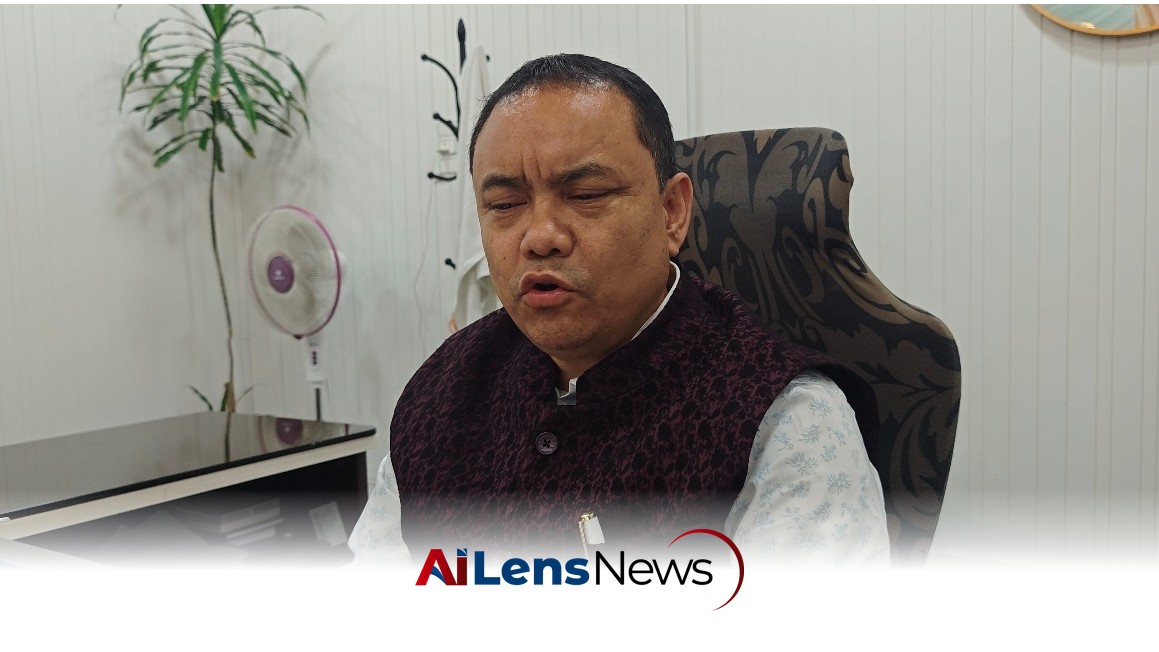


The Centre has not issued any directives regarding uranium mining in , according to Deputy Chief Minister Sniawbhalang Dhar.
Shillong, India Jul 15, 2026 ALN: The Centre has not given any direction to the state government to start uranium mining. Speaking to reporters on Wednesday, Deputy Chief Minister Sniawbhalang Dhar stated that the state has no plans to initiate uranium mining and that the Centre has not provided any indications in this regard.
The issue of uranium mining has been a topic of significant discussion, particularly due to environmental concerns and the potential impact on local communities. Despite previous interest in the mining sector, the lack of communication from the Centre has left the state government in a state of uncertainty.
Uranium mining is a contentious issue in India, particularly in regions rich in uranium deposits. The northeastern state of , where uranium resources are abundant, has been at the center of this debate. The state is known for its rich biodiversity and unique ecosystems, making the implications of mining operations particularly sensitive. The potential for uranium mining in has been discussed for several decades, but the project has faced multiple challenges, including environmental assessments, public opposition, and regulatory hurdles.
Deputy Chief Minister Dhar emphasized that without clear directives from the central government, the state will not move forward with any plans related to uranium mining. This stance reflects the government's commitment to ensuring that any mining activities are approached with caution, considering both environmental and social implications. The state government appears to be prioritizing the health and safety of its citizens, as well as the preservation of the environment, over the potential economic benefits that mining could bring.
Local communities have expressed significant concerns regarding the potential consequences of uranium mining on health and the environment. Uranium mining can lead to various environmental issues, including soil and water contamination, which can have serious implications for public health. Residents fear that mining activities could disrupt their livelihoods, particularly in agriculture and fishing, which are vital to the local economy. Additionally, there are worries about the long-term health impacts of exposure to radiation from uranium, which can lead to an increase in cancer and other serious health conditions.
In light of these concerns, community members and local organizations have been advocating for transparency and responsible decision-making in matters that affect their lives. They are calling for comprehensive environmental impact assessments and public consultations before any mining activities are authorized. This grassroots activism has played a crucial role in shaping public discourse around uranium mining in and has pressured the state government to take a cautious approach.
The absence of direction from the Centre signifies a pause in the discussions surrounding uranium mining in , highlighting the need for careful consideration of all factors involved. The state government is currently in a holding pattern, awaiting further guidance from the central authorities. This situation underscores the complexities involved in resource management and environmental protection in India, where economic development often clashes with environmental sustainability and social justice.
Moreover, the lack of clear communication from the Centre raises questions about the broader policy framework regarding mineral extraction in India. The central government has historically been involved in setting the regulatory landscape for mining operations, and its silence on uranium mining could reflect larger strategic considerations or a need for more comprehensive policies that address both economic growth and environmental protection. This is particularly significant in a country like India, where the mining sector is often seen as a double-edged sword—capable of driving economic growth while simultaneously posing risks to the environment and local communities.
As the state government navigates this uncertain terrain, it must balance the interests of various stakeholders, including local communities, environmental activists, and the mining industry. The discussions around uranium mining in serve as a microcosm of the larger debates occurring throughout India regarding natural resource management and environmental sustainability. The complexities of these discussions are compounded by the socio-economic realities faced by many in the region, where poverty and unemployment are pressing issues that mining could potentially address.
Looking ahead, the state government may need to engage in more proactive dialogue with the Centre to clarify the future of uranium mining in . This could involve advocating for a clear policy direction that addresses the concerns of local communities while also exploring the potential economic benefits of responsible mining practices. The government might consider establishing a framework for sustainable mining that includes strict environmental regulations and community engagement processes, ensuring that any mining activities are conducted in a manner that protects both the environment and the health of local residents.
In conclusion, the current situation surrounding uranium mining in is characterized by uncertainty and caution. The state government’s decision to refrain from initiating mining activities without clear directives from the Centre reflects a commitment to responsible governance. As local stakeholders continue to voice their concerns, the need for transparency, public engagement, and careful consideration of environmental and health impacts remains paramount. The future of uranium mining in will depend not only on governmental policies but also on the active participation of local communities in the decision-making process. This involvement is crucial for building trust between the government and the people, ensuring that the voices of those most affected by mining decisions are heard and respected.
To learn more about the latest developments in Local & Regional, stay updated with our exclusive reports and analyses on AiLensNews.

