

The North Eastern Council has released ₹13.58 crore to enhance healthcare, education, and infrastructure in the region, including significant projects like a new MRI system.
Shillong, India Jul 16, 2026 ALN: The North Eastern Council (NEC), which operates under the Union Ministry of Development of North Eastern Region (MDoNER), has recently allocated over ₹13.58 crore during the months of May and June 2026. This financial support is aimed at bolstering various development initiatives across multiple sectors including healthcare, education, renewable energy, research, culture, connectivity, and community infrastructure. The NEC plays a crucial role in facilitating the socio-economic development of the northeastern states of India, which are often characterized by their unique challenges and opportunities.
The NEC's funding is part of a broader strategy to enhance the quality of life in the northeastern region, which has historically faced issues such as inadequate infrastructure, limited access to healthcare, and educational disparities. By focusing on these key areas, the NEC aims to stimulate economic growth, empower local communities, and preserve the rich cultural heritage of the region. The northeastern states, comprising Assam, , Manipur, Mizoram, Nagaland, Tripura, and Arunachal Pradesh, have diverse ethnic populations and cultures, contributing to the region's unique identity. However, they also face challenges such as geographical isolation, which can hinder development efforts.
A significant intervention from this funding is the installation of a 1.5 Tesla MRI System at Tura Civil Hospital. This upgrade in diagnostic services is expected to have a profound impact on patient care in Garo Hills and surrounding areas, where access to advanced medical facilities has often been limited. The introduction of such technology is a step towards addressing the healthcare needs of the population, thereby reducing the need for patients to travel long distances for medical treatment. Enhanced diagnostic capabilities can also lead to better treatment outcomes, as timely and accurate diagnosis is critical in managing health conditions effectively. The NEC's investment in healthcare infrastructure is essential, especially in a region where health indicators have historically lagged behind the national average.
In the realm of education, the NEC has directed resources towards the enhancement of infrastructure at Shillong Polytechnic. This initiative is complemented by the establishment of a Multi-Disciplinary Trainingcum-Resource Centre in Shillong, organized by NERCORMS. The objective is to strengthen technical education and foster innovation and academic excellence among students. By investing in educational infrastructure, the NEC aims to equip the youth with necessary skills that align with the demands of the modern workforce. The focus on technical education is particularly important given the changing landscape of employment, where skills in technology and engineering are increasingly in demand. Furthermore, this initiative can help bridge the skill gap in the region, enabling graduates to compete effectively in the job market.
Preserving the cultural heritage of the northeastern states is another critical focus of the NEC. To this end, the council has provided assistance for the construction of the Seng Khasi Cultural Complex and the Seinraij Jowai Community Hall. These facilities are designed to serve as modern venues for cultural, educational, and community activities, thereby promoting local traditions and fostering a sense of community among residents. Such initiatives are vital in ensuring that the unique cultural identities of the various ethnic groups in the region are not only preserved but also celebrated. The promotion of cultural heritage can also play a role in tourism development, attracting visitors interested in the rich history and traditions of the northeastern states.
Furthermore, the NEC has supported infrastructure upgrades at Ïewduh, which is known to be one of the largest traditional marketplaces in the region. These enhancements are expected to improve facilities for traders, farmers, and consumers, thereby boosting local commerce and economic activity. Strengthening market infrastructure is essential for enhancing the livelihoods of local communities and ensuring that they can effectively participate in the economy. Improved market facilities can facilitate better trade practices, enhance product visibility, and increase consumer access to goods, ultimately contributing to the region's economic resilience.
In the renewable energy sector, the NEC has allocated funds for surveys and investigations related to several hydropower projects, including the Mawblei, Myntdu Leshka Stage-II, and Selim Hydroelectric Projects. These preliminary studies are crucial for laying the groundwork for future clean energy development in the state. As the world increasingly shifts towards sustainable energy sources, these projects could play a pivotal role in providing reliable and environmentally friendly energy solutions for the region. The emphasis on renewable energy is particularly pertinent, as it aligns with global efforts to combat climate change and reduce dependence on fossil fuels. By investing in hydropower, the NEC is not only addressing energy needs but also promoting sustainable development practices.
In addition to these major projects, the NEC also released ₹18.93 crore to various regional agencies, including universities, technical institutes, NGOs, and societies, during the same period. This funding is intended to promote a wide array of initiatives that can contribute to the overall development of the region. Among the funded activities are events and study projects such as the Industry Academia Research Conclave-2025 organized by NIT and the Miss & Mister Beauty Pageant – 2026 at NEIGRIHMS, Shillong. These events not only foster collaboration between academia and industry but also promote cultural exchange and community engagement. The involvement of various stakeholders in development initiatives is crucial for ensuring that programs are relevant and effectively address local needs.
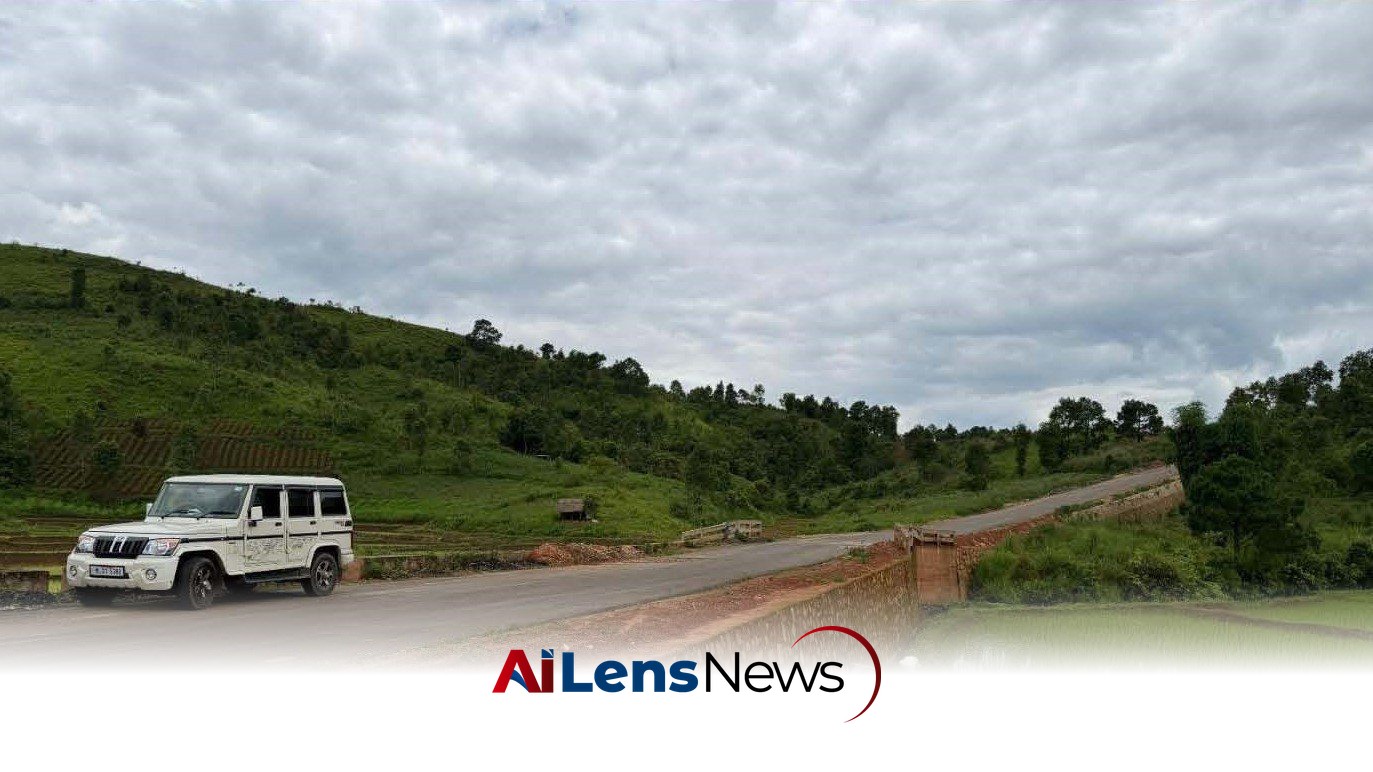
One of the notable completed projects funded by the NEC is the improvement of the Shillong–Umroi Airport Road, which was finalized in June 2026. This upgrade is expected to significantly enhance access to the airport, thereby facilitating tourism, trade, and regional connectivity. Improved transportation infrastructure is vital for the economic development of the region, as it allows for greater mobility of people and goods, ultimately leading to increased investment and economic opportunities. Enhanced connectivity can also help integrate the northeastern states with the rest of the country, promoting trade and cultural exchange.
In conclusion, the recent allocation of ₹13.58 crore by the North Eastern Council underscores the Indian government's commitment to the development of the northeastern region. By focusing on healthcare, education, cultural preservation, renewable energy, and infrastructure, the NEC is working towards creating a more prosperous and sustainable future for the people of this diverse and vibrant part of the country. The implications of these initiatives are far-reaching, as they not only address immediate needs but also set the stage for long-term growth and development in the region. As the NEC continues to implement these initiatives, it will be crucial to monitor their impact and ensure that they align with the broader goals of sustainable development, community empowerment, and cultural preservation.
To learn more about the latest developments in Health & Public Safety, stay updated with our exclusive reports and analyses on AiLensNews.

