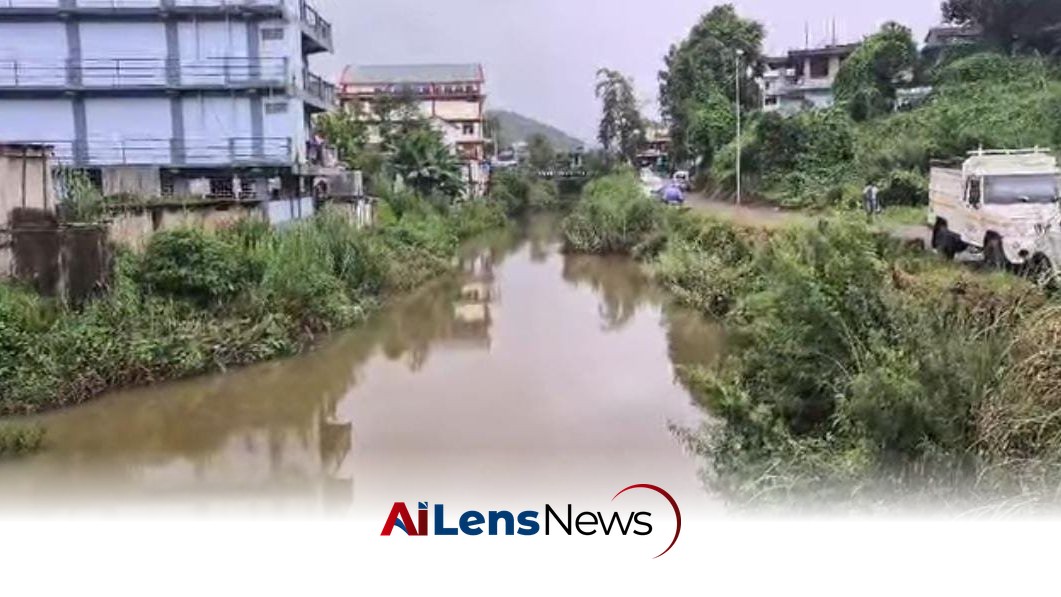


A team from the NDMA visited West Khasi Hills to assess river erosion mitigation projects identified by the state government, focusing on sustainable interventions.
Shillong, India Jul 16, 2026 ALN: A team from the National Disaster Management Authority (NDMA) visited West Khasi Hills district to assess proposed river erosion mitigation project sites identified by the state government. This initiative is part of a broader effort to address the increasing challenges posed by river erosion, which has been exacerbated by climate change, deforestation, and urbanization in the region.
River erosion is a significant concern in many parts of India, particularly in the northeastern states where the topography and heavy rainfall contribute to the vulnerability of riverbanks. The NDMA's involvement underscores the importance of a coordinated approach to disaster management, integrating both local knowledge and technical expertise to develop effective solutions. The northeastern region of India, characterized by its hilly terrain and dense forests, experiences heavy monsoon rains that can lead to severe flooding and subsequent erosion of riverbanks. This phenomenon not only threatens the landscape but also endangers the livelihoods of communities that depend on these natural resources.
The inspection was led by NDMA consultant Anupriya Singh, who was accompanied by officials from the State Disaster Management Authority (SDMA) and other concerned departments. This collaboration is crucial, as it combines the resources and expertise of both national and local authorities, ensuring that the strategies developed are both practical and tailored to the specific needs of the affected communities. The NDMA is tasked with formulating policies and guidelines for disaster management across the country, and their engagement in local assessments is vital for developing targeted interventions that reflect the unique challenges faced by different regions.
The team focused on several river erosion-prone locations in and around Nongstoiñ, particularly the integrated contingency plan (CP) site at New Nongstoiñ, situated adjacent to Wah Nongbah and Wah Nondeiñ. These areas have been identified as critical points where erosion has already led to significant land loss and poses a threat to local infrastructure and livelihoods. The presence of these rivers and streams is essential not only for irrigation and drinking water but also for the cultural identity of the communities residing along their banks. Therefore, addressing river erosion in these areas is not merely a technical challenge but also a socio-cultural imperative.
The visit aimed to carry out a comprehensive technical assessment to evaluate the feasibility of the proposed river erosion mitigation measures and better understand the challenges present. This assessment is vital for determining the most effective interventions, which may include measures such as riverbank stabilization, reforestation, and the construction of protective barriers. Each of these interventions requires careful planning and execution, as they must be designed to withstand the region's climatic conditions while also respecting the ecological balance of the river systems.
During their field assessment, officials reviewed the extent of riverbank erosion and assessed the vulnerability of nearby settlements and public infrastructure. They also analyzed the technical requirements necessary for implementing effective erosion control measures. The evaluation process involved not only measuring the physical aspects of erosion but also engaging with local communities to gather insights on the historical impact of erosion and their perceptions of potential solutions. This community engagement is vital, as local residents often possess invaluable knowledge about the river's behavior and historical changes in the landscape, which can inform more effective mitigation strategies.
The discussions highlighted the need for sustainable interventions that aim to reduce disaster risks significantly and strengthen community resilience against river erosion. Sustainable practices are essential in ensuring that any measures taken do not lead to unintended consequences, such as further environmental degradation or displacement of local populations. For instance, while constructing barriers may provide immediate protection against erosion, it is crucial to consider how these structures might affect sediment flow and aquatic habitats.
Officials stated that the findings from this assessment will be instrumental in finalizing project proposals designed to protect vulnerable communities and critical infrastructure along the riverbanks in West Khasi Hills. The successful implementation of these proposals will not only safeguard lives and property but also enhance the overall resilience of the region against future disasters. By adopting a proactive approach to disaster management, the NDMA aims to create a framework that can be replicated in other regions facing similar challenges.
The implications of the NDMA's assessment extend beyond immediate flood protection. Effective river erosion mitigation can lead to improved agricultural productivity, as stable riverbanks can enhance irrigation practices and reduce the risk of crop loss. Furthermore, protecting these areas can help maintain biodiversity, as river ecosystems are vital for various species and contribute to the ecological balance of the region. Healthy river ecosystems support fisheries and provide habitats for wildlife, which are essential for maintaining the region's biodiversity and supporting local economies.
Moreover, the local economy, heavily reliant on agriculture and natural resources, could see a boost from reduced erosion-related damages. By preserving the integrity of riverbanks, the NDMA’s initiatives aim to create a more stable environment for economic activities, thereby improving the livelihoods of local populations. This economic stability is crucial, especially in rural areas where alternative employment opportunities may be limited. Therefore, the success of river erosion mitigation efforts could have far-reaching effects on local economies and community well-being.
As the NDMA continues its work in West Khasi Hills, the collaboration with the SDMA and local communities will be crucial. Engaging residents in the planning and implementation process not only fosters a sense of ownership but also ensures that the interventions are culturally appropriate and more likely to be successful. Community-based approaches to disaster management have proven effective in many regions, as they leverage local knowledge and resources. This participatory model encourages residents to take an active role in safeguarding their environment, thereby enhancing community cohesion and resilience.
Looking forward, the NDMA's assessment serves as a model for other regions facing similar challenges. The lessons learned in West Khasi Hills can inform broader strategies for river erosion mitigation across India, particularly in vulnerable areas. As climate change continues to impact weather patterns and increase the frequency of extreme weather events, proactive measures such as those being evaluated by the NDMA will be essential in safeguarding communities. The ongoing dialogue between national authorities and local stakeholders will be critical in developing adaptable strategies that can respond to evolving environmental conditions.
In conclusion, the NDMA's visit to West Khasi Hills represents a critical step in addressing the pressing issue of river erosion. Through comprehensive assessments, community engagement, and sustainable intervention strategies, there is potential not only to mitigate immediate risks but also to foster long-term resilience and stability in the region. The findings from this assessment will likely play a pivotal role in shaping future disaster management policies and practices, ultimately contributing to the safety and well-being of the communities affected by river erosion. As the NDMA moves forward, the emphasis on collaborative efforts and sustainable practices will be essential in ensuring that the interventions are effective and beneficial for both the environment and the local population.
To learn more about the latest developments in Local & Regional, stay updated with our exclusive reports and analyses on AiLensNews.

