

More
Checking your session
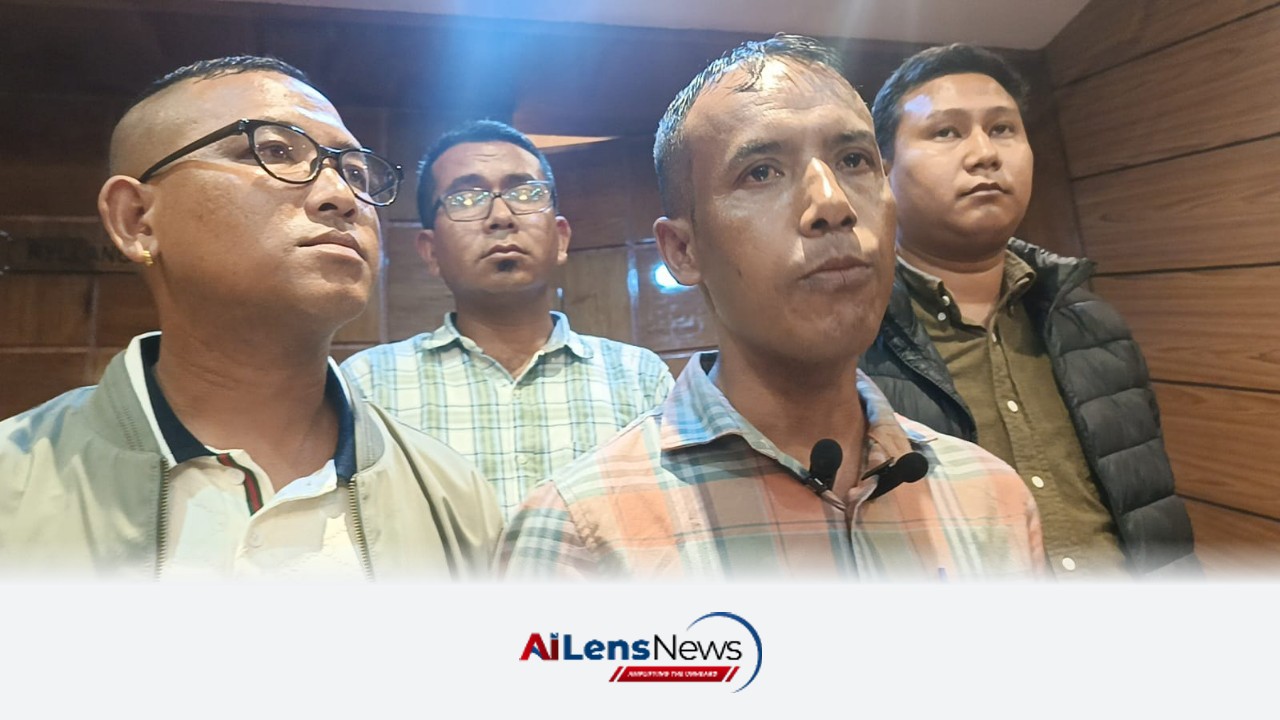



Former KSU president Lambokstarwell Marngar emphasizes the need for genuine implementation of decisions made in recent talks with the State Government.
Shillong, India Aug 26, 2026 ALN: Former Khasi Students’ Union (KSU) president Lambokstarwell Marngar has welcomed the talks between the State Government and the KSU on the five issues raised by the union, describing the meeting as a positive development.
However, he stressed that the success of the dialogue would ultimately depend on the sincere implementation of the decisions taken rather than assurances alone. This statement underscores a broader sentiment that has emerged in various civil society movements across India, where community groups advocate for accountability and transparency from governmental bodies. The KSU has historically played a vital role in representing the interests of the Khasi community, and their demands often reflect broader concerns about governance, local rights, and environmental sustainability.
On the Shree Cement issue, Marngar said the KSU had demanded cancellation of the public hearing over alleged procedural irregularities, restrictions on public participation, and inadequate consideration of the concerns of local residents. This demand is rooted in a growing awareness and activism surrounding environmental and social justice issues in . The Shree Cement project has been a focal point of contention, as local residents fear that industrial activities may adversely affect their land, resources, and overall quality of life.
He noted that the Government’s decision to temporarily halt all activities of the company and constitute a fact-finding committee was significant. However, he pointed out that maintaining the status quo did not amount to cancellation of the public hearing, which was the union’s demand. This distinction is crucial, as it highlights the need for a thorough review of the processes that led to the public hearing, rather than a mere pause in operations. The KSU's insistence on this point reflects a demand for genuine engagement with the community, where their voices are not only heard but also acted upon.
Marngar urged the Government to ensure that the fact-finding committee is impartial and independent of the district administration. He emphasized that the inquiry should comprehensively examine the procedures followed during the public hearing, the extent of public participation, environmental concerns, and the incidents reported on the day of the hearing. This call for an independent inquiry is indicative of a broader need for checks and balances within governmental processes, particularly in regions where local communities feel marginalized in decision-making processes that directly affect their lives.
Beyond the Shree Cement issue, he stated that the Government must take concrete action on the other matters raised by the KSU, including full implementation of the Residents Safety and Security Act (MRSSA), recruitment reforms, measures to regulate unchecked influx, and protection of the rights of indigenous people. Each of these issues is interlinked with the broader context of governance in , where indigenous rights and identity are often at the forefront of political discourse. The MRSSA, for instance, is designed to safeguard the interests of local residents amid concerns of demographic changes due to migration.
“The dialogue is only the beginning. The Government must implement the decisions within a reasonable timeframe and demonstrate its sincerity through action,” Marngar said. This statement resonates with the frustrations often expressed by civil society organizations when faced with governmental inertia. The expectation for timely action is not just a demand for accountability; it reflects a deeper yearning for trust and cooperation between the government and its constituents.
He added that the KSU and the public would continue to closely monitor the Government’s response, particularly the inquiry into the Shree Cement public hearing and the findings of the fact-finding committee. This vigilance is part of a larger trend where community organizations are increasingly taking on the role of watchdogs, ensuring that their rights are respected and that governmental promises translate into tangible benefits.
The implications of these developments are significant. If the government fails to act decisively and transparently, it risks further alienating local communities and fostering dissent. Conversely, a proactive approach that addresses the concerns of the KSU and the broader public could pave the way for improved relations between the state and its citizens. This situation serves as a reminder of the delicate balance between development and sustainability, and the importance of inclusive decision-making processes that honor the voices of all stakeholders involved.
In conclusion, the ongoing dialogue between the KSU and the State Government represents a crucial juncture in 's socio-political landscape. The outcome of these discussions and the subsequent actions taken by the government could set a precedent for future interactions between indigenous communities and state authorities, potentially reshaping the governance framework in the region. As the KSU continues to advocate for the rights and interests of the Khasi people, the eyes of the public remain fixed on the government's next steps, underscoring the importance of accountability in the pursuit of justice and equity.
To learn more about the latest developments in Local & Regional, stay updated with our exclusive reports and analyses on AILensNews.
Chief Minister Conrad K. Sangma assures the Legislative Assembly that a resoluti…

The Khasi Students’ Union has temporarily suspended its agitation after a satisf…
The Government and the Khasi Students’ Union have agreed to establish a fact-fin…

The Doppler Weather Radar project for East Khasi Hills is stalled due to land ow…

Local residents express concerns over illegal stone quarrying and its environmen…