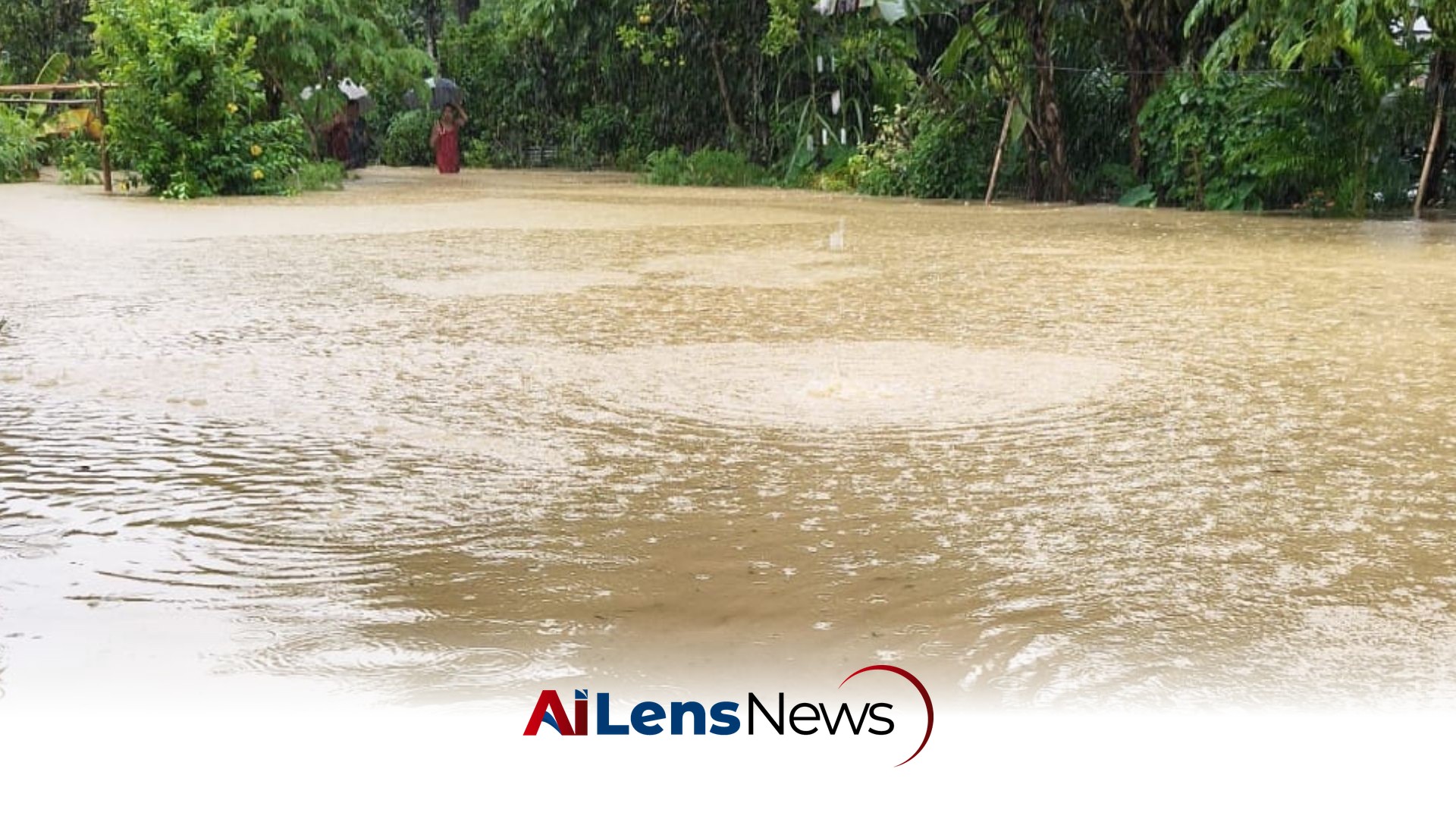


The Konyak Union has refuted allegations connecting recent floods in Assam to a Nagaland dam and illegal coal mining, calling the claims baseless.
Shillong, India Jul 31, 2026 ALN: Kohima: The Konyak Union has strongly refuted allegations linking the recent floods in parts of Assam to the release of water from a purported hydroelectric dam in Nagaland’s Mon district or to alleged illegal coal mining activities in the Naginimora area, describing the claims as “baseless” and unsupported by facts.
In a statement issued on Friday, the Union said it was responding to a video circulating on social media and reports carried by a section of the media in which Assam MLA Akhil Gogoi and Assamese Youth Forum general secretary Akash Saikia allegedly attributed the flooding to the release of water from the so-called “Dikhu Hydro Electric Project” and to illegal coal mining in Mon district.
The Union clarified that no hydroelectric dam or reservoir exists in Mon district. It said the Dikhu Hydro Electric Project remains only a proposed project listed by the Central Electricity Authority (CEA) and has neither been constructed nor commissioned. This clarification is significant in understanding the context of the allegations, as misinformation regarding infrastructure projects can contribute to public panic and misdirected blame during natural disasters.
“Therefore, the allegation that floodwaters were released from a dam from Dikhu is entirely baseless, misleading and without any factual foundation,” the statement said. Such assertions can have serious implications, as they not only misrepresent the situation but can also incite tensions between communities and regions that have historically shared a complex relationship.
Responding to allegations linking the floods to illegal coal mining in the Naginimora area, the Union said its field assessment and available information found no evidence to support such claims. The assertion that illegal mining activities could contribute to environmental degradation and exacerbate flooding is a common narrative in many regions, particularly in areas where mining operations are prevalent. However, in this case, the Konyak Union has stated that the flooding was primarily caused by natural weather phenomena rather than human activity.
According to the Union, the flooding originated in the higher hill ranges of Mon district following exceptionally heavy rainfall and cloudburst-like downpours, which triggered widespread landslides, flash floods, and overflowing rivers and streams across several parts of the district before eventually affecting Naginimora and Tizit. This highlights the vulnerability of the region to extreme weather events, a concern that has been growing due to climate change and its impacts on local weather patterns.
It noted that it is incorrect to attribute the present flood situation to the alleged illegal coal mining activities in Naginimora. The organization emphasized that the natural topography and climatic conditions of the region play a significant role in the flooding events, and it is essential to focus on these factors rather than diverting attention to unverified claims.
The Konyak Union stated that the allegations were particularly unfortunate at a time when Mon district was recovering from one of the worst natural disasters in its recent history. The heavy rainfall and cloudburst-like events on July 19 and 20 triggered devastating landslides, mudslides, and flash floods across the district, claiming 11 lives, displacing more than 650 families, and causing extensive damage to homes, schools, shops, agricultural fields, tea gardens, businesses, and livestock. The disaster also severely disrupted road connectivity, electricity, and communication networks. Such events underscore the need for comprehensive disaster management strategies and community preparedness in the face of increasing natural calamities.
The Union said spreading unverified information that shifts blame onto the people of Mon was irresponsible and insensitive. This statement reflects a broader concern about the role of media and social media in shaping public perceptions and the potential consequences of misinformation during crises. The Konyak Union urged public representatives and organizations to verify facts before making statements that could create misunderstanding, panic, or strain the long-standing relationship between the people of Assam and Nagaland.
In the context of regional politics, the relationship between Assam and Nagaland has been historically complex, marked by both cooperation and conflict. Allegations such as those made recently can exacerbate tensions and hinder collaborative efforts to address shared challenges, including environmental issues and disaster management. The Konyak Union's call for responsible communication is a reminder of the importance of maintaining dialogue and understanding between communities, especially during times of crisis.
The Konyak Union further said natural disasters should not be politicized or used to promote speculative narratives without scientific evidence or official verification. It maintained that any inquiry into the causes of flooding should be based on technical assessments conducted by competent authorities and expert agencies. This insistence on a fact-based approach is vital for ensuring that responses to disasters are effective and that communities are supported in their recovery efforts.
The Union appealed to individuals, organizations, the media, and the public to refrain from circulating unverified information and warned that those responsible for spreading misinformation could be held accountable under the law if such claims resulted in any untoward incidents. This legal perspective is crucial, as it highlights the potential consequences of misinformation in exacerbating already challenging situations.
Reaffirming its commitment to peace, the Union said it would continue to work towards preserving the long-standing ties between the people of Nagaland and Assam while ensuring that facts prevail over misinformation. The emphasis on peace and cooperation is particularly important in a region where ethnic and cultural ties can be both a source of strength and a potential flashpoint for conflict. By fostering a spirit of collaboration and mutual respect, the Konyak Union aims to mitigate the impacts of future disasters and promote resilience within communities.
To learn more about the latest developments in Crime & Law, stay updated with our exclusive reports and analyses on AiLensNews.

