


The government intervenes to restore taxi operations between Assam and after recent violence disrupted services.
Shillong, India Aug 23, 2026 ALN: Government to Hold Talks with Assam by September 10 to Resolve Taxi Dispute
Shillong, August 23: The Government on Sunday held an urgent meeting with tourist taxi associations in an effort to ease tensions and restore the free movement of vehicles between Assam and following the violence during the Khasi Students’ Union’s (KSU) black-flag motorcycle rally on August 19. The incident has raised concerns regarding the safety and operational viability of transport services in the region, which are crucial for both local economies and tourism.
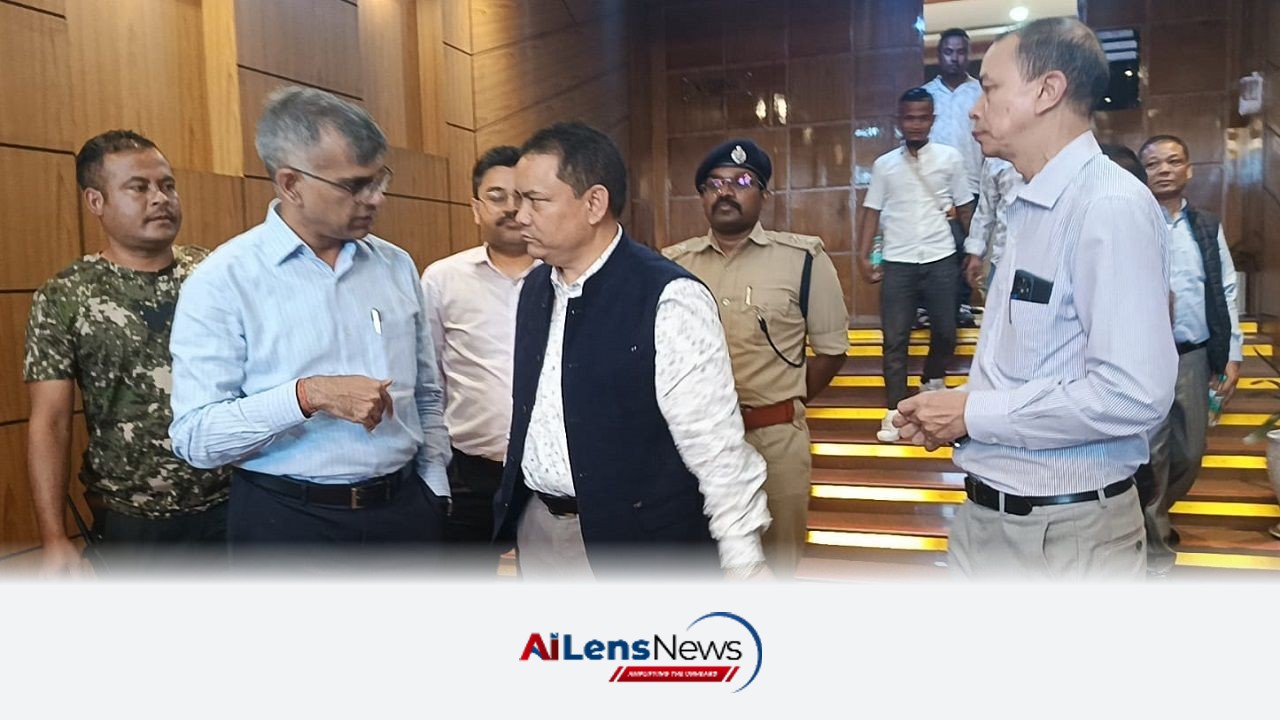
The meeting, chaired by Deputy Chief Minister and Transport Minister Sniawbhalang Dhar at the State Secretariat, was attended by senior officials from the Home and Transport departments, as well as representatives from the All Khasi Tourist Taxi Association (AKMTTA), the All Shillong Tourist Taxi Association, and various other transport organizations. This gathering was pivotal in addressing the immediate fallout from the rally and the subsequent unrest that affected transport services across state lines.
Tensions escalated following reports that several Assam-registered vehicles were allegedly damaged during the KSU rally in Shillong. This incident sparked a backlash from tourist taxi operators in Assam, who responded by halting the movement of Assam-registered vehicles and demanding that passengers disembark. This disruption not only affected the transport of tourists but also created significant inconvenience for local residents who rely on these services for daily commuting.
Speaking to reporters following the meeting, Dhar conveyed that the government and the taxi associations had reached a preliminary understanding aimed at restoring the free movement of vehicles across state borders. He expressed optimism that tourist taxis from both and Assam would soon be able to operate normally without obstruction, a development that is vital for the tourism sector, which is a major economic driver in both states.
The Deputy Chief Minister emphasized the importance of cooperation between the taxi associations and the government, thanking their representatives for their willingness to support efforts to resolve the dispute. He highlighted that maintaining peace and ensuring the safety of passengers, tourists, and drivers is a shared responsibility that requires collaboration among all stakeholders.
In an effort to further address the underlying issues that contribute to such tensions, Dhar announced that the government would hold discussions with the Assam Government by September 10. This meeting aims to work towards a comprehensive and lasting solution to the interstate tourist taxi dispute, which has historically been a point of contention between the two states. The discussions are expected to cover a range of topics, including regulatory frameworks, safety protocols, and operational guidelines that can help prevent future conflicts.
Moreover, Dhar indicated that a separate meeting would be convened with 's Transport Commissioner and other senior officials to scrutinize the long-standing challenges faced by tourist taxi operators in the state. This initiative is critical as it seeks to address systemic issues that may have contributed to the recent unrest, including regulatory hurdles, safety concerns, and the economic viability of taxi operations in a competitive landscape.
On the matter of the Assam-registered vehicles that were damaged during the August 19 rally, Dhar stated that the Transport Department had been directed to compile a detailed list of the affected vehicles. This assessment is expected to be completed within a week, after which the government will evaluate the situation regarding compensation and take appropriate action to address the grievances of impacted vehicle owners. This step is essential not only for restoring trust among taxi operators but also for reinforcing the government's commitment to uphold the rule of law and protect the interests of citizens.
In his remarks, the Deputy Chief Minister made a poignant appeal to taxi operators and the public in both states, urging them not to target innocent drivers and passengers for the actions of a few individuals. This call for restraint is particularly important in maintaining communal harmony and ensuring that the actions of a small group do not escalate into broader conflicts that could have far-reaching implications for the socio-economic fabric of the region.
The government’s immediate priority, as articulated by Dhar, is to restore normal transport services, guarantee the safety of travelers, and protect the peaceful relations between and Assam. The tourism industry, which has been significantly impacted by the recent unrest, plays a vital role in the economic landscape of both states. The resumption of taxi services is seen as a critical step towards reviving tourism and ensuring that visitors feel safe and welcomed in the region.
As the discussions unfold and the situation evolves, stakeholders from both states will be closely monitoring the outcomes of the planned meetings. The implications of these negotiations extend beyond mere transportation; they touch upon broader issues of inter-state relations, economic cooperation, and community cohesion. The resolution of the taxi dispute could serve as a model for addressing other contentious issues that arise between neighboring states, highlighting the importance of dialogue, mutual respect, and understanding in fostering peaceful coexistence.
To learn more about the latest developments in Transport & Mobility, stay updated with our exclusive reports and analyses on AILensNews.

