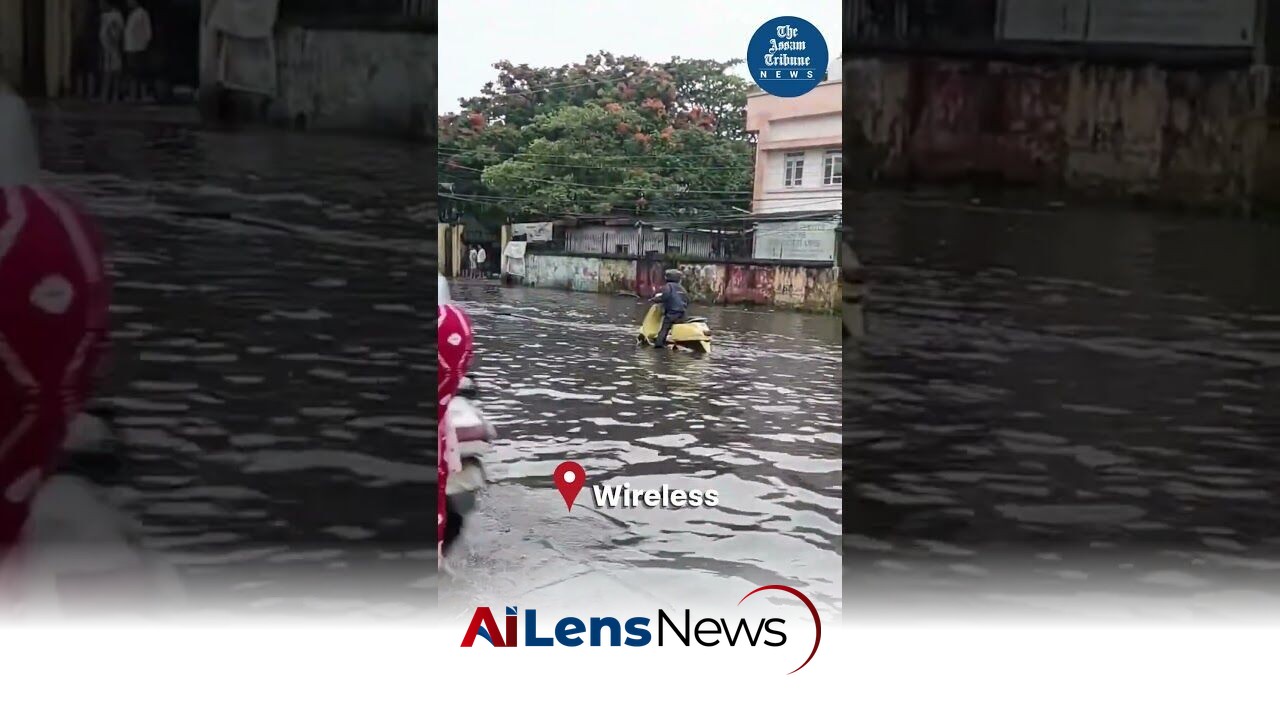


Residents of the Wireless area in Guwahati are facing significant waterlogging issues following recent heavy rains, disrupting daily life and transport.
Imphal, India Jul 13, 2026 ALN: Residents of the Wireless area in Guwahati are grappling with severe waterlogging following heavy rainfall that has inundated the streets. This situation has created significant challenges for commuters and local businesses, as the water levels have risen to alarming heights. The Wireless area, known for its dense population and commercial activities, has become a focal point of concern as the local infrastructure struggles to cope with the extreme weather conditions.
Heavy rainfall is not an uncommon phenomenon in Guwahati, especially during the monsoon season, which typically spans from June to September. However, the intensity and frequency of the recent downpours have surpassed normal levels, leading to an unprecedented situation for the residents. The impact of climate change has been a topic of discussion among environmentalists, who argue that rising global temperatures are contributing to erratic weather patterns, including heavier rainfall in some regions. This trend has been observed not only in Guwahati but across many parts of India, where climate change is exacerbating existing vulnerabilities in urban infrastructure.
Local authorities have been alerted to the situation, with many residents expressing frustration over the lack of timely drainage solutions. The current drainage infrastructure in many parts of Guwahati, including the Wireless area, has been criticized for being outdated and insufficient to handle heavy rainfall. The waterlogging not only hampers transportation but also poses health risks, as stagnant water can lead to the spread of waterborne diseases. Common illnesses associated with such conditions include cholera, dengue fever, and leptospirosis, which can have severe implications for public health. The potential outbreak of such diseases places additional pressure on already strained healthcare facilities in the region.
Daily activities have been severely disrupted, with many residents unable to leave their homes due to the flooded streets. This has particularly affected school-going children, who are unable to attend classes, leading to educational interruptions. Parents are concerned about the long-term impact on their children’s education, especially as the academic year progresses. The loss of instructional time can hinder academic performance and affect future opportunities for students, particularly in a competitive educational landscape.
Additionally, local businesses are facing significant losses due to the inability to operate normally; many shops and markets have had to close their doors, further exacerbating the economic strain on the community. The economic implications of such flooding incidents can be profound. Small businesses, which form the backbone of the local economy, are particularly vulnerable. With the loss of revenue during critical trading periods, many business owners fear they may not be able to recover fully. The local economy's reliance on daily foot traffic means that any disruption can have cascading effects on employment and livelihoods in the area.
Moreover, the waterlogging situation has led to increased expenses for households, as residents must spend more on repairs and maintenance for water-damaged property and belongings. This added financial burden can push families deeper into poverty, especially those already struggling to make ends meet. The cumulative impact of these challenges creates a cycle of hardship that is difficult to break, highlighting the urgent need for effective interventions.
In response to the flooding, local government officials are assessing the situation and have promised to take immediate action. Plans to clear the drainage systems and improve water management in the area are being discussed to prevent future occurrences. However, the effectiveness of these measures largely depends on the timely execution of the proposed plans and the allocation of adequate resources. The government has previously initiated various projects aimed at improving urban infrastructure, but many residents feel that these efforts have not been sufficient. The current crisis may serve as a catalyst for more comprehensive planning and investment in infrastructure improvements, but it remains to be seen how quickly and effectively the government will act.
Historically, Guwahati has faced challenges with its drainage systems, which have been criticized for their lack of maintenance and capacity to handle heavy rains. The city’s rapid urbanization has outpaced the development of necessary infrastructure, leading to a mismatch between the growing population and the capacity of services to accommodate them. This imbalance has been exacerbated by inadequate urban planning and the failure to integrate climate resilience into development strategies.
The community is calling for more proactive measures to address the underlying issues contributing to the flooding. Many residents are advocating for better infrastructure and maintenance of existing drainage systems to ensure that such incidents do not recur. Community leaders have begun organizing meetings to discuss potential solutions and to raise awareness about the importance of sustainable urban planning. The involvement of local stakeholders in these discussions is crucial, as it can lead to more effective and context-specific strategies for managing water resources.
Moreover, residents are urging the government to consider long-term strategies that include not only immediate drainage improvements but also the implementation of green infrastructure solutions. These may include the creation of rain gardens, permeable pavements, and enhanced stormwater management practices that can mitigate flooding and improve water quality. Engaging local communities in the planning process is also crucial, as it can lead to solutions that are more tailored to the specific needs of the area. Such collaborative approaches can foster a sense of ownership among residents, encouraging them to take an active role in maintaining and protecting their environment.
The waterlogging in the Wireless area of Guwahati serves as a reminder of the challenges posed by heavy rainfall and inadequate drainage systems. As residents await government intervention, the need for sustainable solutions to manage water effectively becomes increasingly critical. The situation underscores the importance of investing in resilient infrastructure that can withstand the impacts of climate change and extreme weather events. The integration of climate adaptation strategies into urban planning is essential to safeguard against future flooding incidents.
In the coming days, it will be essential for local authorities to communicate their plans and progress to the community, ensuring transparency and building trust. As the residents of the Wireless area navigate this difficult situation, their experiences may serve as a valuable lesson for other urban areas facing similar challenges in the face of changing climatic conditions. The call for action is clear: comprehensive planning, community involvement, and sustainable practices must be at the forefront of future developments to safeguard the health and well-being of the residents of Guwahati. The urgency of addressing these issues cannot be overstated, as continued neglect may lead to more frequent and severe flooding events, further jeopardizing the lives and livelihoods of countless individuals.
To learn more about the latest developments in Local & Regional, stay updated with our exclusive reports and analyses on AiLensNews.

