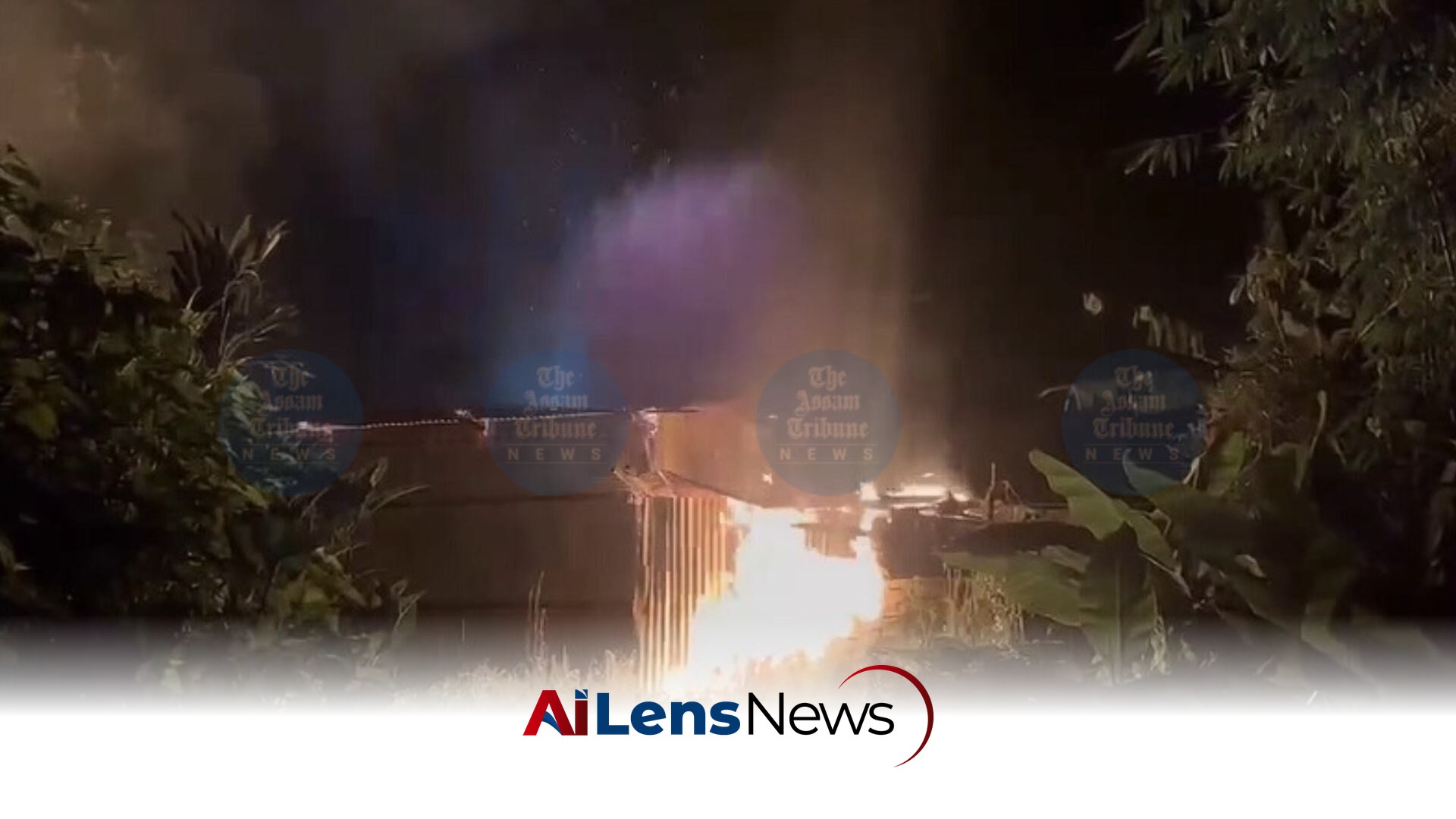


Fresh violence in Kangpokpi district leads to the burning of homes and a church, prompting demands for an investigation and enhanced security.
Imphal, India Aug 12, 2026 ALN: Fresh violence was reported from Tokpa Naga village in the Champhai area of Kangpokpi district on Tuesday night, with around 10 houses and a church allegedly set ablaze.
The Liangmai Naga Council (LNC) stated in a press release issued on Wednesday that the incident occurred around 9.30 pm on August 11. This violent occurrence has raised alarms about the ongoing unrest in the region, which has been marked by ethnic tensions and conflicts over land and resources. The Kangpokpi district, located in the state of , has seen a series of violent incidents recently, reflecting a broader pattern of instability in the area.
The LNC alleged that armed persons entered the village and set fire to around 10 houses and a church. The allegations could not be independently verified, which highlights a significant challenge in conflict reporting in volatile regions where access to reliable information is often limited. In many instances, local councils and organizations like the LNC serve as important sources of information, but their accounts can also be influenced by their own interests and perspectives.
The council strongly condemned the reported attack and expressed concern over the alleged targeting of civilian homes and a place of worship. The destruction of a church, a symbol of community and faith, underscores the severity of the incident and its potential implications for communal harmony in the area. Religious institutions often play a pivotal role in conflict zones, serving not only as places of worship but also as centers for community support and resilience.
“The Council is particularly appalled and deeply concerned by reports that security personnel were stationed merely a few metres from the affected area, despite the locality being a highly sensitive red-zone area,” the statement said. This raises questions about the effectiveness of security measures in place and the ability of law enforcement to protect civilians in areas known for potential violence. The presence of security forces in close proximity yet failing to prevent such incidents could indicate a breakdown in communication or coordination among security agencies.
The LNC demanded an inquiry into the conduct of security personnel deployed in the vicinity and into any possible dereliction of duty. This call for accountability is crucial in building trust between the local community and security forces. In regions plagued by violence, the perceived or real ineffectiveness of security personnel can lead to further unrest and a cycle of violence, as communities may feel compelled to take matters into their own hands.
The council also demanded the immediate arrest and prosecution of those responsible, along with a swift, impartial, transparent and time-bound investigation into the incident. Such demands reflect a broader desire for justice and accountability, which is often a critical component in the aftermath of violent incidents. Communities affected by violence frequently seek not only immediate relief but also long-term solutions that address the root causes of conflict.
It called for enhanced security in the affected area and adequate relief, rehabilitation and compensation for families whose homes and properties were allegedly destroyed. The implications of such violence extend beyond immediate physical destruction; they can disrupt social cohesion, lead to displacement, and create lasting psychological trauma among affected populations. Providing adequate relief and rehabilitation is essential for restoring a sense of normalcy and security in the community.
The reported incident comes amid continuing tensions in parts of Kangpokpi district, raising fresh concerns over the safety of civilians in vulnerable areas. The ethnic diversity of , while a source of rich cultural heritage, has also been a flashpoint for conflict, particularly when issues of land rights, political representation, and resource allocation come to the fore. In recent years, there have been increasing reports of clashes between different ethnic groups, often exacerbated by historical grievances and competition for resources.
With the identity of the perpetrators yet to be established and no official account available so far, details of the incident remain based on the account provided by the LNC. The lack of an official response or clarification from government or law enforcement agencies can lead to speculation and mistrust among the populace. It is crucial for authorities to communicate effectively and transparently to mitigate fears and prevent the escalation of violence.
The implications of this violence extend beyond the immediate community of Tokpa Naga. It serves as a reminder of the fragility of peace in regions marked by ethnic tensions and highlights the urgent need for dialogue and reconciliation efforts. Historical grievances must be addressed through inclusive political processes that recognize the rights and aspirations of all communities involved. Failure to do so risks perpetuating cycles of violence and retribution, further destabilizing the region.
Furthermore, the incident is a stark reminder of the broader challenges faced by security forces in conflict-prone areas. Ensuring the safety of civilians while maintaining order can be an intricate balancing act, especially in regions where local populations may harbor distrust towards external authorities. Building trust requires consistent engagement, community involvement in security planning, and a commitment to addressing the underlying issues that fuel conflict.
As the situation unfolds in Kangpokpi, it will be crucial for local leaders, civil society organizations, and government authorities to work collaboratively to address the immediate aftermath of the violence while also laying the groundwork for long-term peace and stability. This may include community dialogues, conflict resolution initiatives, and efforts to ensure equitable access to resources and opportunities for all ethnic groups within the region.
In conclusion, the violence in Tokpa Naga village is a significant event that underscores the ongoing challenges faced by communities in Kangpokpi district. The need for a comprehensive approach that prioritizes justice, accountability, and reconciliation is more pressing than ever. Addressing the root causes of conflict and fostering an environment of mutual respect and understanding among diverse communities will be essential for moving towards a more peaceful future.
To learn more about the latest developments in Crime & Law, stay updated with our exclusive reports and analyses on AiLensNews.

