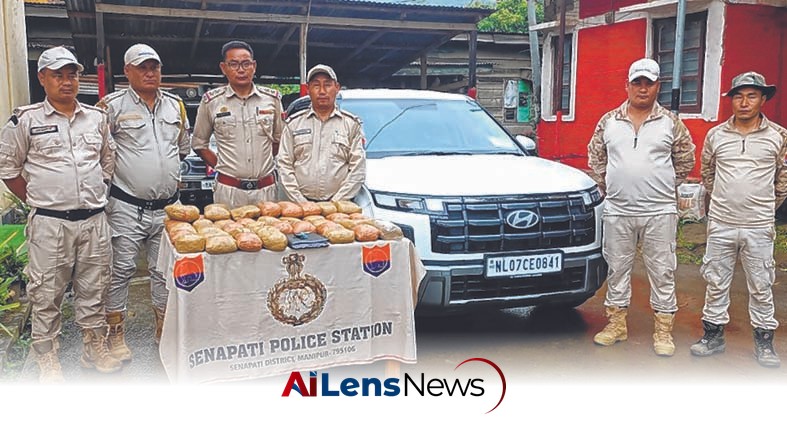


A police checkpoint was evaded by a vehicle carrying nearly 50 Kg of opium, which was later found abandoned in Hengbung village.
Imphal, India Jul 13, 2026 ALN: Security forces in Imphal have successfully seized approximately 49.5 Kg of suspected opium from a vehicle that managed to evade a police checkpoint. The incident occurred early in the morning on July 12, when the car was found abandoned at Hengbung village. This seizure not only represents a significant haul in the fight against drug trafficking but also highlights the ongoing challenges faced by law enforcement in curbing the inflow of illegal substances in the region.
According to police sources, the vehicle was initially stopped at a checkpoint but fled the scene, prompting a search by the authorities. The abandoned vehicle was discovered around 6 AM, leading to the recovery of the illicit substance. The quick response of the authorities following the vehicle's evasion demonstrates the level of alertness and preparedness of the local security forces, who are tasked with maintaining law and order in an area that has seen increasing drug-related activities.
This seizure highlights ongoing challenges in combating drug trafficking in the region. Law enforcement agencies are increasingly vigilant at checkpoints, but the evasion of such measures indicates a need for enhanced strategies to intercept drug transporters. The use of checkpoints has been a common tactic employed by law enforcement in an attempt to deter drug trafficking; however, the successful evasion by the driver of the vehicle raises questions about the effectiveness of these measures and the tactics employed by traffickers to circumvent law enforcement efforts.
The police received a tip-off regarding suspicious activity in the area, which led to the establishment of the checkpoint. This proactive approach is part of a broader strategy to combat drug trafficking and related crimes. However, the driver of the vehicle managed to escape, leaving behind the significant quantity of opium. The authorities are now tasked with piecing together the circumstances surrounding the incident, including identifying the owner of the vehicle and the source of the drugs. This investigation is crucial, as it may lead to further arrests and a deeper understanding of the drug trafficking networks operating in the region.
The recovery of nearly 50 Kg of opium is not an isolated incident but rather part of a troubling trend in the region. Imphal, like many other areas in Northeast India, has been grappling with the challenges posed by drug trafficking and abuse. The region's geographical proximity to the infamous Golden Triangle—where the borders of Myanmar, Laos, and Thailand meet—has made it a hotspot for the production and trafficking of opium and its derivatives.
Authorities have stated that they are investigating the incident further to identify the owner of the vehicle and the source of the drugs. This operation is part of a broader initiative to tackle drug-related crimes in the region. The police are collaborating with various agencies, including narcotics control units and local government bodies, to strengthen their efforts against drug trafficking. The involvement of multiple agencies is essential, as it allows for a more comprehensive approach to addressing the complexities of drug-related issues.
The presence of illegal drugs poses a serious threat to community safety and well-being. Local leaders have expressed concern over the rising trend of drug trafficking and its impact on youth and families. The ramifications of drug abuse extend beyond individual users; they affect families, social structures, and community health. Increased drug trafficking often correlates with higher crime rates, social instability, and health crises, which can overwhelm local resources and services.
Community outreach programs are being considered to educate residents about the dangers of drug abuse and to encourage reporting of suspicious activities. These programs aim to foster a sense of community responsibility in combating drug-related issues. By empowering residents with knowledge and resources, local leaders hope to create a more informed and vigilant community that actively participates in the fight against drug trafficking.
Additionally, there is a growing recognition of the need for rehabilitation services for individuals struggling with addiction. Addressing the demand side of the drug trade is equally important as tackling supply. Initiatives that focus on prevention, treatment, and recovery can help mitigate the impact of drug abuse and reduce the overall demand for illicit substances.
The successful seizure of nearly 50 Kg of opium is a significant achievement for local law enforcement. However, it underscores the persistent issue of drug trafficking in the area, necessitating ongoing vigilance and community involvement to combat this growing problem. The complexities of drug trafficking require a multifaceted approach that includes law enforcement, community education, and rehabilitation services.
As authorities continue their investigation into this recent incident, it serves as a reminder of the importance of collaboration between law enforcement and the community. The fight against drug trafficking is not solely the responsibility of the police; it requires the collective effort of all stakeholders, including local governments, non-profit organizations, and community members. Only through a united front can the region hope to make significant strides in reducing the prevalence of illegal drugs and safeguarding the health and safety of its residents.
Furthermore, the implications of this incident reach beyond immediate law enforcement responses. It calls for an evaluation of existing policies and practices related to drug trafficking in the region. Authorities may need to consider implementing advanced technologies for surveillance and tracking, enhancing intelligence-sharing protocols among various law enforcement agencies, and increasing community engagement initiatives to better inform the public about drug-related issues.
In addition, the socio-economic factors contributing to drug trafficking must be addressed. Many individuals in the region may turn to drug trade due to lack of economic opportunities, poverty, or social dislocation. Therefore, sustainable development programs that provide education, vocational training, and employment opportunities can play a pivotal role in reducing the allure of drug trafficking. By addressing the root causes of drug abuse and trafficking, communities can work towards long-term solutions that promote health, safety, and stability.
Ultimately, the challenge of drug trafficking in Imphal and the broader Northeast India region is a multifaceted issue that requires cooperation, innovation, and a commitment to community well-being. The recent seizure of opium serves as a critical reminder of the ongoing battle against drug trafficking, and it highlights the need for a comprehensive strategy that includes prevention, enforcement, and rehabilitation efforts to foster a healthier society.
To learn more about the latest developments in Crime & Law, stay updated with our exclusive reports and analyses on AiLensNews.

