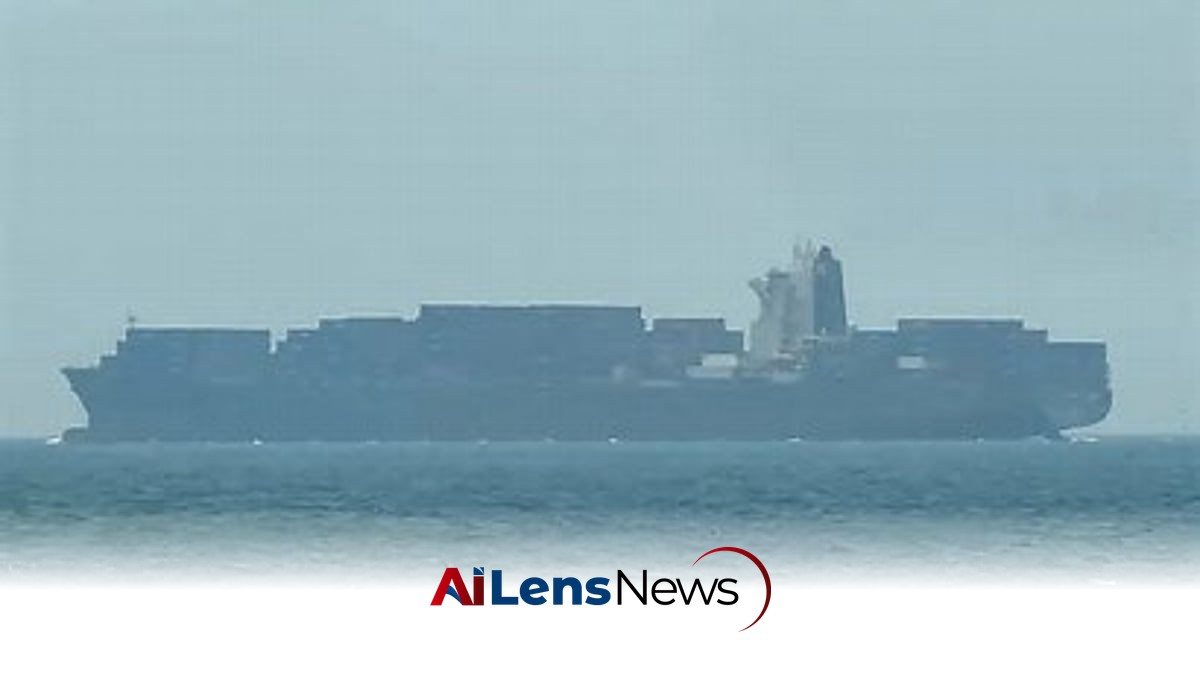


India has condemned the attack on the GFS Galaxy, a commercial vessel carrying Indian nationals, urging for peace and stability in the region.
Imphal, India Jul 13, 2026 ALN: New Delhi: India on Sunday condemned the attack on the commercial vessel GFS Galaxy carrying Indian nationals off the coast of Oman, terming the continuous incidents of attacks on commercial shipping in the region "deeply worrisome." This incident has raised significant concerns regarding maritime security in one of the world's most crucial shipping lanes, which is vital for global trade and energy supply. The Gulf of Oman and the adjacent Strait of Hormuz are known for being critical chokepoints for oil transport, with a substantial percentage of the world's oil supply passing through these waters.
The Ministry of External Affairs (MEA) stated that 10 of the Indian nationals on board were rescued, while one person is still reportedly missing. The MEA said that the Indian Embassy in Oman is closely monitoring the situation and coordinating with the Omani authorities in the ongoing Search and Rescue operation. It also thanked the Omani authorities for their support in this critical situation, highlighting the importance of international cooperation in maritime safety. Such collaborative efforts are essential, especially in a region characterized by geopolitical tensions and complex security dynamics.
In a statement, the MEA emphasized, "The continuing incidents of attacks on commercial shipping in the region are deeply worrisome. We reiterate our call for immediate de-escalation of tensions, and the conclusion of ongoing negotiations for a diplomatic solution so that peace and stability can return to the region." This statement reflects India's broader concerns about regional stability, particularly in the Middle East, where geopolitical tensions often manifest in maritime confrontations. The MEA's remarks underline the Indian government's commitment to ensuring the safety of its citizens abroad and its recognition of the interconnectedness of regional security and global trade.
The attack on the GFS Galaxy is part of a larger pattern of escalating violence in maritime zones, particularly in the Gulf of Oman and the Strait of Hormuz, through which a significant portion of the world's oil supply travels. In recent years, there have been numerous incidents involving attacks on commercial vessels, often attributed to heightened tensions between regional powers and non-state actors. Such incidents not only threaten the safety of crew members but also have far-reaching implications for global trade and energy prices. The maritime domain has become increasingly perilous, with shipping companies facing the dual challenge of ensuring the safety of their vessels while navigating through potentially hostile waters.
The MEA's statement further asserted, "The targeting of commercial shipping and civilian infrastructure in the region must end, and free and unimpeded navigation and commerce through the international waterways in the region, in keeping with international law, must be restored at the earliest." This call for the restoration of safe navigation underscores the critical nature of maintaining open sea lanes for international trade, particularly in a region that is a key conduit for oil and gas shipments. The implications of disrupted shipping routes can extend beyond immediate economic concerns, affecting global supply chains and leading to increased volatility in energy markets.
In a post on X, the Indian Embassy in Oman reiterated its commitment to monitoring the incident involving the vessel GFS Galaxy. It further stated that its officials are in close contact with the Omani authorities, the vessel’s management, and the concerned stakeholders, and are extending all possible assistance. This proactive engagement by the Indian government highlights its responsibility towards its nationals abroad, especially in times of crisis. The embassy's efforts to coordinate with local authorities reflect a broader diplomatic strategy aimed at ensuring the welfare of Indian citizens overseas.
The implications of such attacks are multifaceted. Firstly, they pose a direct threat to the safety of seafarers and the integrity of commercial shipping routes. The potential for loss of life and property is a significant concern for shipping companies and their stakeholders. Secondly, they can lead to increased insurance costs for shipping companies, which may subsequently raise the prices of goods transported via these routes. This could have a ripple effect on global markets, particularly in industries reliant on timely deliveries of raw materials and finished products. The economic repercussions of maritime insecurity can be profound, affecting everything from consumer prices to international trade agreements.
Moreover, the geopolitical ramifications of these maritime incidents can lead to heightened military presence in the region, as nations seek to protect their interests. This can further escalate tensions between rival states, complicating diplomatic efforts aimed at conflict resolution. In the past, such incidents have prompted calls for international naval coalitions to ensure the safety of maritime routes, which can lead to increased military engagement in the region. The potential for military miscalculations in such a tense environment poses an additional risk, as nations may respond to perceived threats with force, leading to further instability.
Historically, the Gulf of Oman has been a flashpoint for maritime conflicts. The frequency of attacks has surged in recent years, particularly following heightened tensions between Iran and the United States, as well as between Iran and its regional adversaries. These geopolitical dynamics often spill over into the maritime domain, where commercial vessels become targets amid broader strategic confrontations. The GFS Galaxy incident is a stark reminder of the vulnerabilities faced by commercial shipping in these troubled waters, highlighting the need for enhanced security measures and international collaboration to safeguard maritime interests.
In response to the growing threat to maritime security, some nations have called for enhanced cooperation and intelligence-sharing among countries operating in the region. This includes joint naval exercises and the establishment of communication protocols to promptly address incidents of piracy and maritime terrorism. Such collaborative efforts are essential for ensuring the safety of commercial shipping and maintaining the free flow of trade. The establishment of a multinational maritime coalition could serve to deter potential aggressors and reassure shipping companies operating in these crucial maritime corridors.
As the situation develops, the Indian government is likely to engage in discussions with regional partners to address the underlying issues contributing to maritime insecurity. This may involve diplomatic initiatives aimed at reducing tensions and fostering dialogue among affected states. The Indian stance on this issue will be crucial, given its significant maritime interests and the large number of Indian nationals working in the shipping industry around the world. India’s proactive diplomatic engagement can play a vital role in shaping regional security frameworks and enhancing collective responses to maritime threats.
In conclusion, the attack on the GFS Galaxy vessel off the coast of Oman underscores the urgent need for a concerted international effort to enhance maritime security in the region. The Indian government's response, characterized by its swift condemnation and active engagement with Omani authorities, reflects its commitment to protecting its nationals and ensuring the safety of commercial shipping. As global trade continues to rely heavily on these maritime routes, addressing the threats they face will be imperative for maintaining economic stability and fostering peaceful relations among nations. The international community must come together to establish a framework that prioritizes maritime safety, ensuring that such incidents do not undermine the principles of free navigation and commerce that are essential for global prosperity.
To learn more about the latest developments in World News & International Affairs, stay updated with our exclusive reports and analyses on AiLensNews.

