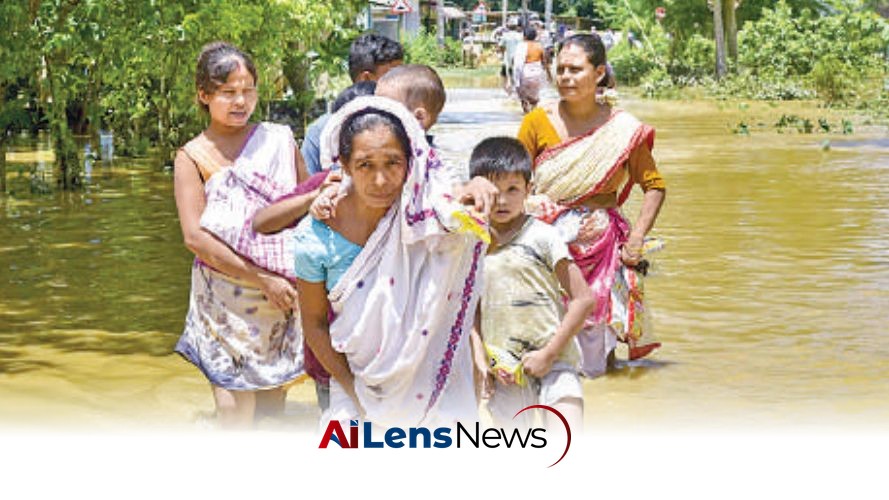


The flood situation in Assam has worsened, with Sivasagar and Charaideo districts severely impacted. Chief Minister Sarma reports 31 fatalities and ongoing relief efforts.
Imphal, India Jul 24, 2026 ALN: The flood crisis in Assam has escalated dramatically, with Sivasagar and Charaideo districts being identified as the worst affected areas. As reported by Chief Minister Himanta Biswa Sarma, over 6.63 lakh people have been impacted, and thousands remain cut off from essential relief services. This alarming situation has led to a significant humanitarian crisis, prompting urgent government action and community support.
During a press conference held at Lok Sewa Bhawan, following a meeting with officials to discuss flood response efforts, Chief Minister Sarma highlighted the severity of the situation in Sivasagar district. He stated that approximately 5.3 lakh individuals have been affected across five revenue circles and 333 villages within the district, marking it as the area with the highest number of flood victims and fatalities in the state. This situation reflects the broader challenges faced by Assam, a state that is no stranger to seasonal flooding, particularly during the monsoon months.
In addition to Sivasagar, the neighbouring district of Charaideo has also suffered significantly, with 1,33,159 people affected across three revenue circles and 51 villages. The cumulative impact of these floods has resulted in a reported death toll of 31, with fatalities concentrated in Sivasagar and Charaideo. The Chief Minister cautioned that this number could rise as more reports come in from the remote and affected areas, indicating the ongoing nature of the crisis.
As the floods continue to wreak havoc across the state, the Chief Minister provided an overview of the overall flood situation in Assam. He noted that more than 10.63 lakh people across 25 districts have been affected, with 77 revenue circles and 2,023 villages impacted. The floods have necessitated the evacuation of 28,912 individuals from their homes, underscoring the urgency of the situation.
The state government has mobilized resources to address the crisis, operating 162 relief camps that are currently sheltering 41,264 people. Additionally, there are 1,072 relief distribution centres established across the affected districts to ensure that essential supplies reach those in need. This large-scale response illustrates the government’s commitment to mitigating the impact of the disaster and supporting the affected population.
According to the latest official figures, the death toll has been particularly high in Sivasagar, with 21 fatalities reported, followed by Charaideo with 10 deaths. Other districts have also reported casualties, including Jorhat with eight deaths, Dhemaji with three, and two each in Golaghat and Karbi Anglong, along with one in Sonitpur. Furthermore, eight individuals remain unaccounted for, with six missing in Sivasagar, one in Dhemaji, and one in Charaideo, highlighting the ongoing search and rescue efforts that are critical in the aftermath of such disasters.
The floods have not only claimed lives but have also caused widespread destruction of homes and livelihoods. Chief Minister Sarma reported that 401 houses have been fully damaged, while 1,856 houses have suffered partial damage. The ramifications of this disaster extend beyond physical infrastructure, as thousands of families have lost crops, livestock, fisheries, poultry, and household belongings, including crucial documents like school certificates. The loss of these assets poses long-term challenges for recovery and rehabilitation.
In light of the extensive damage caused by the floods, Chief Minister Sarma emphasized the need for a detailed damage assessment once the immediate relief phase concludes. This assessment will be essential for planning compensation and rehabilitation measures systematically. The government’s approach to recovery will likely involve collaboration with various stakeholders, including local communities, NGOs, and international aid organizations, to ensure a comprehensive response to the crisis.
To further support the state’s recovery efforts, an inter-ministerial central team is scheduled to arrive in Assam on July 25. This team will assess the extent of the devastation and evaluate the state’s requirements for central assistance for relief, rehabilitation, and reconstruction. The involvement of the central government is crucial, as it can provide additional resources and expertise to aid in the recovery process.
Historically, Assam has faced challenges related to flooding, particularly due to its geography and climate. The Brahmaputra River, which flows through the state, is prone to overflowing during the monsoon season, leading to recurrent flooding. This has raised questions about long-term strategies for flood management and disaster preparedness in the region. The current crisis may prompt discussions on improving infrastructure, enhancing early warning systems, and implementing sustainable land use practices to mitigate the impact of future floods.
As the situation develops, the focus remains on providing immediate relief to those affected while also considering long-term recovery strategies. The resilience of the communities in Assam will be tested in the coming weeks and months as they navigate the aftermath of this devastating flood crisis. Local government officials, NGOs, and community organizations will play a vital role in supporting recovery efforts and ensuring that the needs of the affected population are met.
In conclusion, the flood crisis in Assam is a stark reminder of the vulnerabilities faced by communities in flood-prone regions. The current response efforts, while commendable, highlight the need for ongoing investment in disaster preparedness and resilience-building initiatives. As the state grapples with the immediate consequences of this disaster, the lessons learned will be crucial in shaping future policies aimed at mitigating the impact of floods and ensuring the safety and well-being of its residents.
The floods have also raised concerns about the adequacy of infrastructure and emergency response systems in place to handle such natural disasters. Many areas are experiencing delays in receiving essential supplies and aid due to damaged roads and communication networks. This has underscored the need for improving infrastructure resilience, particularly in rural and remote areas that are often the hardest hit during such crises.
In addition to the immediate physical damage, the psychological impact on the affected population cannot be overlooked. Displacement, loss of loved ones, and destruction of homes can lead to long-term mental health issues. Community support systems and mental health services will be crucial in helping individuals and families cope with the aftermath of the floods.
Furthermore, the economic implications of the floods are significant. Agriculture is a primary source of livelihood for many in Assam, and the destruction of crops and livestock will have a cascading effect on food security and local economies. The government will need to prioritize agricultural recovery and provide support to farmers to help them rebuild their lives.
In the face of such disasters, the role of local governance and community engagement becomes increasingly important. Local leaders and organizations are often the first responders and play a critical role in mobilizing resources and providing assistance. Their insights and experiences are invaluable in shaping effective response strategies that are tailored to the unique needs of the affected communities.
Looking ahead, it is imperative that Assam not only focuses on immediate relief but also invests in long-term strategies that enhance resilience to flooding. This includes improving land management practices, restoring wetlands, and developing comprehensive flood management plans that incorporate climate change projections. By taking a proactive approach, Assam can better prepare for future flooding events and protect its vulnerable populations.
In summary, the ongoing flood crisis in Assam is a multifaceted challenge that requires a coordinated response from the government, civil society, and the community at large. As the situation unfolds, the collective efforts to provide relief, support recovery, and build resilience will be critical in ensuring that the affected population can recover and thrive in the face of adversity.
To learn more about the latest developments in Health & Public Safety, stay updated with our exclusive reports and analyses on AiLensNews.

