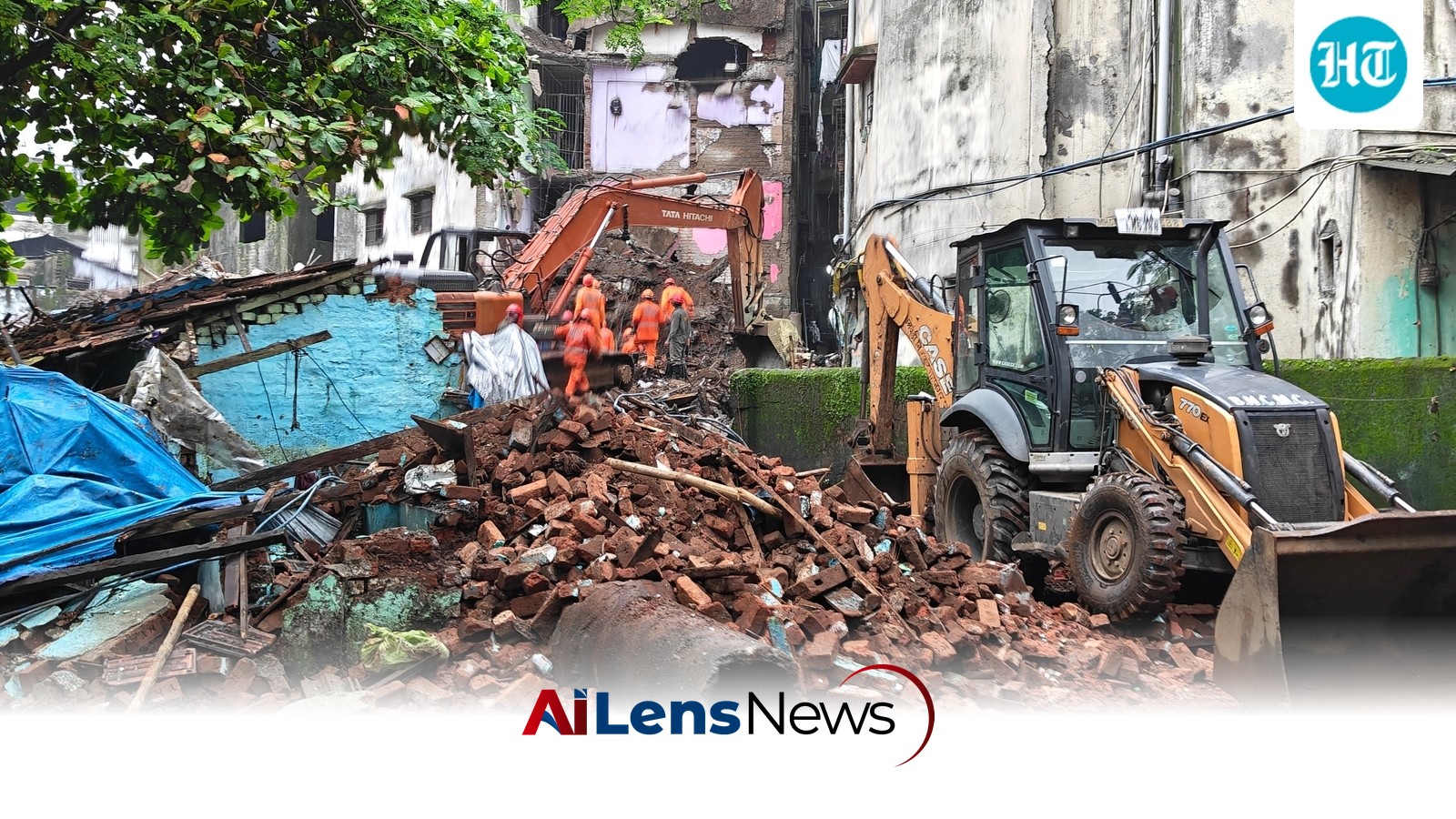


A four-storey building in Bhiwandi, Maharashtra collapsed, resulting in nine fatalities. Rescue operations are ongoing as authorities search for more victims.
Mumbai, India Jul 31, 2026 ALN: At least nine people died after a four-storey building collapsed late on Thursday night in Bhiwandi, in Maharashtra's Thane district, leaving several people trapped under the debris, officials said. Rescue teams recovered nine bodies, while more people are feared buried beneath the rubble. This incident has raised significant concerns regarding building safety regulations and enforcement in the region, particularly in light of the monsoon season, which often exacerbates structural vulnerabilities.
The four-storey Kohinoor Building in Balaji Nagar had already been declared unsafe by the Bhiwandi-Nizampur Municipal Corporation (BNMC), according to fire officials. Despite the building being marked as dangerous, repair work was reportedly in progress at the time of the collapse. This situation highlights a critical issue in urban housing and infrastructure management, especially in densely populated areas where many buildings may be in a state of disrepair.
Officials suspect that several people are still trapped under the debris. The first individuals reported missing include Shamji Pal (46), Santosh Pandey alias Munna (42), and Miraj Sheikh (35), among several workers whose identities have not yet been confirmed. The uncertainty surrounding the fate of those trapped adds to the emotional distress experienced by their families and the community.
Teams from the Bhiwandi Fire Brigade, the National Disaster Response Force (NDRF), and Bhoiwada Police Station reached the spot promptly after the incident and began rescue work. The involvement of specialized teams such as the NDRF underscores the severity of the situation and the urgency of the rescue operations.
In a statement, the Thane collectorate reported that search and rescue operations are being carried out with the assistance of trained sniffer dogs, which are vital in locating individuals trapped under the debris. The use of technology and trained animals in rescue operations highlights the importance of preparedness in emergency situations.
Two ambulances and a JCB excavator were also deployed as teams continue searching for people believed to be trapped under the collapsed structure. The presence of heavy machinery indicates the scale of the collapse and the complexity of the rescue efforts. Officials have stated that rescue efforts, along with other required administrative procedures, are still ongoing, while they have not yet confirmed the exact reason behind the collapse.
This tragic incident is part of a larger pattern of rain-related incidents in the Thane district. With this collapse, the death toll from rain-related incidents during the current monsoon season has risen to at least 27, while 20 others have been injured, according to officials. The monsoon season in Maharashtra is notorious for heavy rainfall that can lead to flooding, landslides, and structural failures.
The collapse took place just weeks after another deadly incident in Maharashtra's Pimpri Chinchwad. On July 8, a garbage heap caved in onto a building at the Moshi garbage depot, resulting in nine fatalities. These incidents have raised alarms about the adequacy of infrastructure and the enforcement of safety regulations in both urban and semi-urban areas.
Authorities are now facing increased pressure to address the safety of existing structures, particularly those that have been flagged as unsafe. The Bhiwandi-Nizampur Municipal Corporation and other local agencies may need to reevaluate their inspection and enforcement protocols to prevent future tragedies. Moreover, this incident raises critical questions about the responsibilities of landlords and property owners in maintaining the safety of their buildings, especially when they have been officially declared unsafe.
The local government may also need to consider implementing stricter regulations on construction practices and building maintenance, particularly in areas prone to heavy rainfall and flooding. Community awareness initiatives could be essential in educating residents about the risks associated with living in unsafe buildings and the importance of reporting structural issues.
As rescue operations continue, the focus will likely shift towards recovery and support for the affected families. Psychological support and counseling may be necessary for the survivors and the families of those who have lost their lives in this tragic event. The emotional toll on the community is profound, as they grapple with the loss of their loved ones and the fear of living in potentially unsafe conditions.
In conclusion, the collapse of the Kohinoor Building in Bhiwandi serves as a stark reminder of the ongoing challenges related to building safety in Maharashtra, particularly during the monsoon season. It highlights the need for urgent action from authorities to ensure the safety of residents and to prevent further tragedies in the future. The coming days will be critical not only for the ongoing rescue efforts but also for the broader conversation about urban safety and infrastructure resilience in the face of climate change and extreme weather events.
Building collapses, particularly in densely populated urban areas like Bhiwandi, are not isolated incidents. They often reflect systemic issues related to urban planning, regulatory oversight, and the socio-economic conditions that lead to the proliferation of unsafe structures. Many buildings in such regions are constructed without proper permits or oversight, leading to compromised safety standards. This incident underscores the urgent need for comprehensive urban development policies that prioritize safety and sustainability.
Moreover, the emotional and psychological impacts of such tragedies extend far beyond the immediate victims. Families are left to navigate the aftermath of loss, often struggling with grief, financial instability, and the daunting task of rebuilding their lives. The community as a whole also faces the challenge of reconciling with the trauma of such events, which can have long-lasting effects on social cohesion and trust in local governance.
In light of this tragedy, it is imperative for local authorities to engage with community stakeholders to develop a more robust framework for building safety. This could involve regular safety audits, community education programs about structural integrity, and clearer channels for reporting unsafe conditions. Furthermore, investment in infrastructure that can withstand extreme weather events is essential to protect vulnerable populations from the impacts of climate change.
As the investigation into the Kohinoor Building collapse unfolds, it will be crucial to hold accountable those responsible for the maintenance and safety of the building. This includes not only property owners but also local government officials who may have failed to act on safety warnings. Accountability is a vital component of restoring public trust and ensuring that similar tragedies do not occur in the future.
Ultimately, the Bhiwandi building collapse serves as a wake-up call for all stakeholders involved in urban development and safety. It emphasizes the need for a collective effort to address the systemic failures that lead to such tragedies, ensuring that the safety and well-being of residents are prioritized in all aspects of urban planning and policy-making.
To learn more about the latest developments in Crime & Law, stay updated with our exclusive reports and analyses on AiLensNews.

