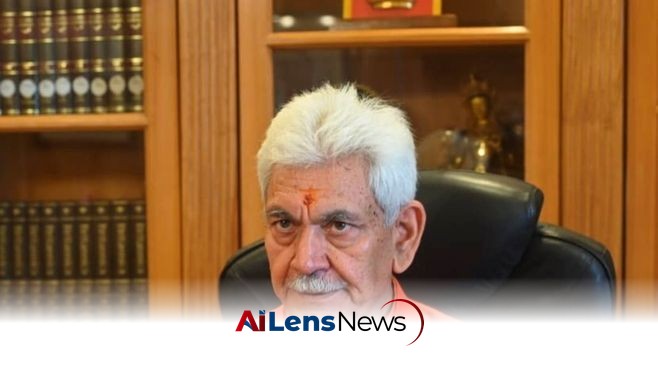


Lieutenant Governor Manoj Sinha expressed condolences for Head Constable Ashiq Hussain Qureshi, who was killed in a terror attack in Anantnag, asserting that the perpetrators will face justice.
New Delhi, India Jul 22, 2026 ALN: Lieutenant Governor Manoj Sinha on Wednesday stated that he spoke with Director General of Police Nalin Prabhat to review the situation following the terror attack in Anantnag, which resulted in the death of Head Constable Ashiq Hussain Qureshi. This tragic incident has once again highlighted the ongoing security challenges faced in the region, which has been marred by violence and unrest for decades.
The attack on Head Constable Qureshi not only represents a significant loss for his family and the police force but also underscores the persistent threat posed by militant groups operating in Jammu and Kashmir. Qureshi, who was performing his duties as a law enforcement officer, was killed in a brazen act of violence that has drawn widespread condemnation from various quarters, including political leaders, civil society, and ordinary citizens.
In a post on X, Sinha expressed, “My heartfelt condolences to the family of Head Constable Ashiq Hussain Qureshi, who sacrificed his life in the line of duty. The whole country stands shoulder-to-shoulder with the family of the martyr. I strongly condemn this cowardly attack. This heinous act will not go unpunished. J&K Police and our security forces are on the ground and will bring those responsible to justice.” Sinha's statement reflects a commitment to maintaining law and order in the region, while also offering a message of solidarity to the bereaved family.
The Lieutenant Governor’s remarks come in the context of a long-standing conflict in Jammu and Kashmir, a region that has been a flashpoint for violence and terrorism since the late 1980s. The insurgency in the region has led to the deaths of thousands of security personnel and civilians. The Indian government has been engaged in various strategies to combat militancy, including military operations, community engagement, and development initiatives aimed at improving the socio-economic conditions of the local populace.
In recent years, the security situation in Jammu and Kashmir has seen fluctuations, with periods of relative calm followed by spikes in violence. The government has implemented several measures to enhance security, including the deployment of additional forces and the use of technology for surveillance. However, the persistent threat of terrorism remains a significant challenge, complicating efforts for peace and stability in the region.
The role of local law enforcement, such as the Jammu and Kashmir Police, has been critical in countering terrorism and maintaining order. Officers like Head Constable Qureshi often find themselves on the front lines, facing the dangers associated with their duties. Their sacrifices highlight the risks taken by those in uniform, who strive to uphold the rule of law in a volatile environment.
The attack has also sparked discussions about the need for a comprehensive approach to counter-terrorism in Jammu and Kashmir. Experts argue that while military action is necessary to neutralize immediate threats, long-term solutions must address the underlying socio-economic issues that contribute to the cycle of violence. Efforts to promote education, employment, and community development are seen as essential components in preventing radicalization and fostering a sense of belonging among the youth.
Moreover, the incident has reignited debates surrounding the relationship between the local population and security forces. Building trust and cooperation between the two is crucial for effective policing and counter-terrorism operations. Initiatives aimed at community policing, where police engage with local communities in a positive manner, are being explored as a way to bridge the gap and foster a sense of security among residents.
In the aftermath of such attacks, there is often a call for increased vigilance and preparedness among security forces. The government may also consider revisiting its strategies to ensure that they are effective in addressing the evolving nature of threats in the region. The importance of intelligence gathering, collaboration with central security agencies, and international cooperation in combating cross-border terrorism cannot be understated.
As the investigation into the Anantnag attack unfolds, the focus will be on identifying those responsible and bringing them to justice. The Lieutenant Governor’s assurance that the perpetrators will face the consequences reflects a broader commitment to ensuring accountability in the face of violence. This is vital not only for the families of victims but also for the broader community, which seeks reassurance that their safety is a priority for the authorities.
The implications of this attack extend beyond immediate security concerns. It brings to the forefront the need for a holistic approach to peacebuilding in Jammu and Kashmir. Engaging with local communities, addressing grievances, and fostering a sense of inclusion are essential elements in paving the way for a peaceful and secure future. The ongoing challenges posed by terrorism require a concerted effort from all stakeholders, including the government, civil society, and the international community, to work towards a sustainable resolution of the conflict.
In conclusion, the tragic loss of Head Constable Ashiq Hussain Qureshi serves as a stark reminder of the sacrifices made by security personnel in the line of duty. The response from Lieutenant Governor Manoj Sinha emphasizes the need for justice and accountability while also highlighting the broader issues at play in Jammu and Kashmir. As the region continues to navigate its complex realities, the pursuit of peace and stability remains a critical goal for all involved.
Historically, Jammu and Kashmir has been a region of strategic significance, with its borders touching Pakistan and China. The territorial disputes, particularly with Pakistan, have led to multiple conflicts and a heavy military presence in the area. The rise of militancy in the late 1980s was fueled by various factors, including political discontent, economic stagnation, and social unrest. This has created an environment where radical ideologies can take root, leading to a cycle of violence that has persisted for decades.
The socio-economic conditions in Jammu and Kashmir have been a significant factor in the ongoing conflict. High unemployment rates, particularly among the youth, and a lack of access to quality education and healthcare contribute to feelings of disenfranchisement. These conditions can lead individuals to seek out extremist groups as a means of expressing their discontent or seeking a sense of purpose. Therefore, addressing these underlying issues is critical in breaking the cycle of violence and fostering long-term peace in the region.
Community engagement and dialogue are essential components of any effective counter-terrorism strategy. Programs that promote inter-community dialogue, cultural exchanges, and youth engagement can help build bridges between different groups in society. These initiatives can foster a sense of shared identity and belonging, reducing the appeal of extremist ideologies. In addition, involving local leaders in peacebuilding efforts can enhance the legitimacy and effectiveness of government initiatives.
Furthermore, the international community plays a vital role in supporting peace efforts in Jammu and Kashmir. Countries with interests in the region can provide diplomatic support, facilitate dialogue, and offer development assistance aimed at addressing the socio-economic challenges faced by the local population. Collaborative efforts between nations can also strengthen counter-terrorism measures, particularly in combating the cross-border flow of arms and militants.
As the situation evolves, the response from the Indian government and local authorities will be closely scrutinized. The effectiveness of their strategies in ensuring security while also addressing the root causes of violence will be critical in shaping the future of Jammu and Kashmir. The continued commitment to justice for victims of violence, such as Head Constable Qureshi, is essential in restoring faith in the rule of law and the ability of the state to protect its citizens.
In summary, the Anantnag attack serves as a reminder of the complexities of the security situation in Jammu and Kashmir. It underscores the need for a multifaceted approach that prioritizes both immediate security measures and long-term socio-economic development. The path toward peace in Jammu and Kashmir is fraught with challenges, but with concerted efforts from all stakeholders, a brighter future can be envisioned for the region.
To learn more about the latest developments in Crime & Law, stay updated with our exclusive reports and analyses on AiLensNews.

