

More
Checking your session
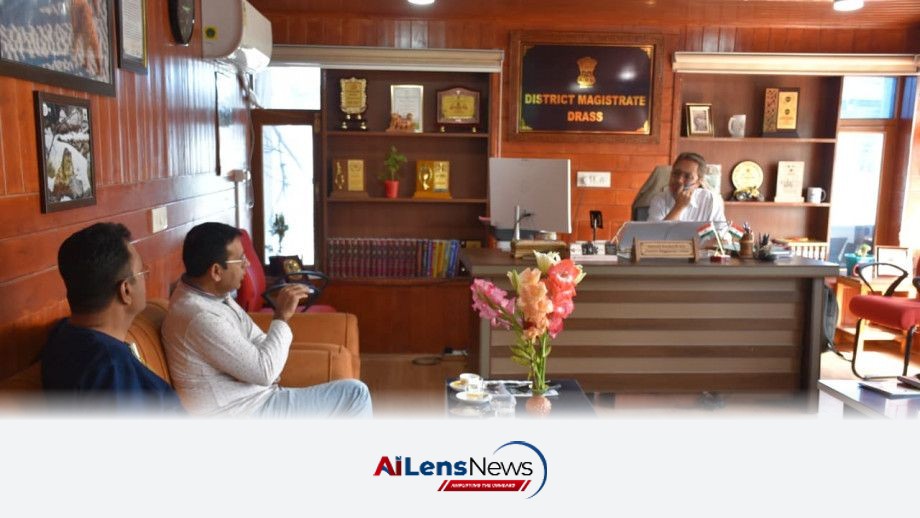



In a recent meeting in Drass, UIDAI Director discussed Aadhaar-related issues with local officials, aiming to enhance service delivery.
Leh, India Aug 26, 2026 ALN: In a significant meeting held in Drass, a town known for its strategic location and harsh climate in the Kargil district of Jammu and Kashmir, the Director of the Unique Identification Authority of India (UIDAI) engaged with local officials to address pressing Aadhaar-related issues. This meeting aimed to streamline the implementation of Aadhaar services in the region, ensuring that residents can access essential services more efficiently. The initiative reflects the government's broader commitment to digital inclusion and the importance of identity verification in accessing various welfare schemes.
The Aadhaar system, which was introduced in 2009, is a biometric identification system that assigns a unique identification number to residents of India based on their demographic and biometric data. It is intended to serve as a universal identity card, facilitating access to a wide range of government services, subsidies, and welfare programs. However, despite its ambitious goals, the implementation of Aadhaar has faced numerous challenges, particularly in remote and underserved regions like Drass. The meeting was an effort to address these challenges directly.
The discussion focused on the challenges faced by residents in obtaining and utilizing their Aadhaar numbers. Local officials highlighted various concerns, including difficulties in registration and issues related to the verification process. These challenges can be particularly acute in remote areas, where infrastructure may be lacking, and residents may have limited access to technology. The UIDAI Director emphasized the importance of Aadhaar as a tool for identity verification and access to government services, reiterating that it plays a critical role in ensuring that benefits reach the intended recipients.
The meeting concluded with a commitment from the UIDAI to work closely with local authorities to resolve these issues. The Director assured that efforts would be made to ensure that Aadhaar services are not only accessible but also user-friendly for the residents of Drass. This collaborative approach is crucial, as local authorities often have a better understanding of the specific challenges faced by their communities.
As the government continues to push for digital inclusion, the successful implementation of Aadhaar services is crucial for enabling residents to access various welfare schemes and services effectively. The Aadhaar system is designed to reduce fraud and ensure that benefits are delivered to the right individuals, which is particularly important in regions where resources are limited. By addressing the concerns raised during the meeting, the UIDAI aims to enhance the overall effectiveness of the Aadhaar initiative in Drass and similar regions.
Moreover, the implications of improving Aadhaar services extend beyond just individual benefits. A well-functioning Aadhaar system can contribute to broader socio-economic development by facilitating better access to services like banking, education, and healthcare. For instance, with a valid Aadhaar number, residents can open bank accounts, which is a crucial step towards financial inclusion. This, in turn, can lead to increased economic activity and improved living standards in the region.
In conclusion, the meeting in Drass underscores the ongoing efforts of the UIDAI to adapt and improve the Aadhaar system in response to the unique challenges faced by residents in remote areas. By fostering collaboration between the UIDAI and local authorities, the government aims to create a more inclusive environment where all citizens can benefit from the advantages that Aadhaar provides. As these efforts continue, it will be essential to monitor the outcomes and ensure that the intended benefits of Aadhaar reach every corner of the country, particularly in underserved regions like Drass.
To learn more about the latest developments in Local & Regional, stay updated with our exclusive reports and analyses on AILensNews.