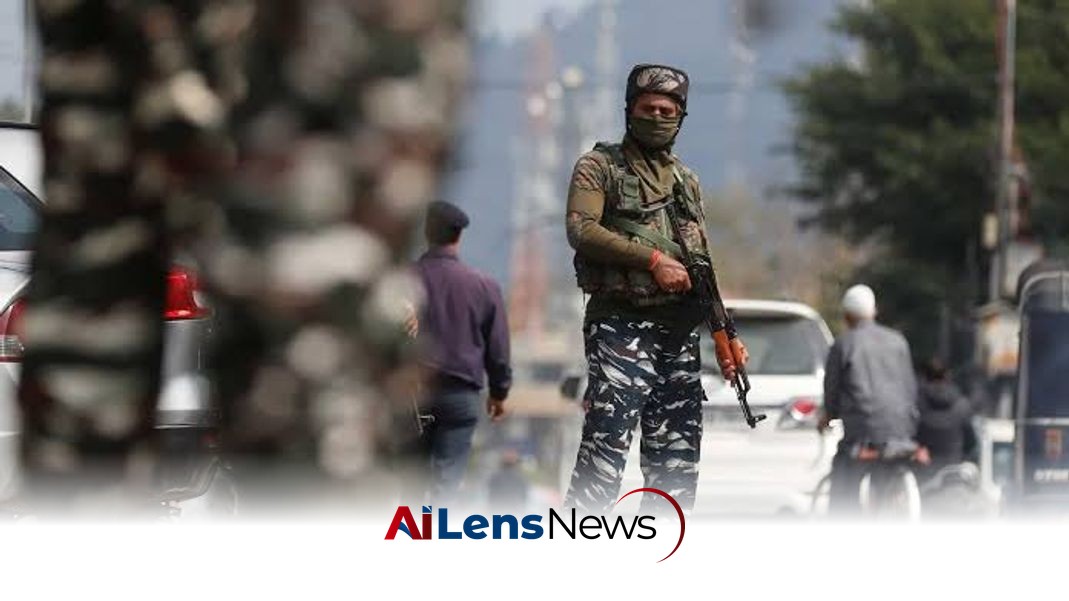


In response to the recent killing of a police officer in Anantnag, security has been intensified across Handwara, with hundreds of suspected OGWs detained.
Leh, India Jul 22, 2026 ALN: In response to the recent killing of a police personnel in Anantnag, security measures have been markedly intensified across the Police District of Handwara. This incident, which has raised alarm within the local communities and law enforcement agencies, has prompted authorities to take immediate action to ensure the safety of both residents and security personnel in the area.
The Anantnag incident, where a police officer was shot dead, highlights the ongoing challenges faced by law enforcement in regions affected by insurgency and terrorism. Anantnag, located in the southern part of Jammu and Kashmir, has been a hotspot for militant activities and has witnessed numerous violent incidents over the years. The killing of the police officer underscores the volatile security situation in the region, necessitating a robust response from security forces.
In light of this tragic event, security forces have embarked on an intensive area domination and frisking operation throughout the Handwara Police district. Special nakas, or checkpoints, have been established at strategic locations to enhance surveillance and monitoring efforts. These checkpoints serve as critical points for security personnel to conduct thorough checks on vehicles and individuals, aiming to deter any potential threats and identify suspicious activities.
Official sources have indicated that as part of the ongoing security crackdown, hundreds of suspected overground workers (OGWs) have been detained. OGWs are individuals who provide logistical and operational support to militant groups, often acting as conduits for information and resources. By detaining these individuals, security forces aim to disrupt the networks that facilitate militant operations and reduce the risk of further violence.
In addition to the detentions, security personnel are conducting extensive vehicle checks and frisking commuters to ensure that no weapons or explosives are being smuggled into the area. Increased patrols in sensitive locations are also part of the strategy to maintain a heightened state of alert. These measures are designed not only to prevent any immediate security lapses but also to reassure the public that law enforcement is actively working to protect them from potential threats.
The heightened vigilance in Handwara is expected to persist as part of the preventive security measures implemented by the authorities. The local administration has emphasized the importance of community cooperation during this period. Residents have been urged to remain vigilant and report any suspicious activities to the police, thereby fostering a collaborative approach to security in the area.
This situation reflects a broader context of security challenges faced by Jammu and Kashmir, where the interplay of local grievances, political dynamics, and militant activities creates a complex environment for law enforcement. The region has a long history of conflict, and the security forces often find themselves in a delicate position, balancing the need for robust action against militants while also maintaining positive relations with the civilian population.
Moreover, the recent incident and subsequent security measures may have implications for the local political landscape. Political parties and leaders in the region often react to incidents of violence, and the response from the government and security forces can influence public perception and trust in law enforcement. The effectiveness of the current security measures will likely be scrutinized by various stakeholders, including local communities, political entities, and human rights organizations.
In recent years, Jammu and Kashmir has seen fluctuating levels of violence, with various militant groups operating in the region. The presence of these groups, along with the complex political history of the area, has made it challenging for security forces to maintain stability. The killing of the police officer is a stark reminder of the risks faced by law enforcement in this volatile environment, where they often become targets for militant groups aiming to undermine state authority.
The police personnel in Jammu and Kashmir have been engaged in a continuous battle against militancy, often leading to casualties among their ranks. This has not only impacted the morale of the police force but has also raised concerns about the safety of civilians caught in the crossfire of militant attacks. The community's perception of security forces can be deeply influenced by such incidents, as families of security personnel and local residents grapple with the implications of violence in their daily lives.
In the wake of the Anantnag incident, the authorities are likely to face increased pressure to ensure the safety of police personnel while also addressing the concerns of the local population. The balance between enforcing security measures and respecting the rights of civilians is a critical aspect of law enforcement operations in the region. The potential for civil unrest or backlash against security measures is always a consideration, particularly in an area with a history of conflict and unrest.
Furthermore, the role of community engagement in security operations cannot be overstated. In regions like Jammu and Kashmir, where mistrust between the local populace and security forces can be prevalent, fostering a sense of collaboration is essential. Initiatives that encourage community members to participate in security efforts can lead to improved intelligence gathering and a more effective response to threats. However, these initiatives must be approached with sensitivity to the historical context and the current sentiments of the population.
As the situation continues to evolve in Handwara and surrounding areas, the response from the local population and the effectiveness of these security measures will be crucial in shaping the future security landscape of the region. The authorities must navigate the complexities of local dynamics while ensuring that the safety and security of both residents and law enforcement personnel are prioritized. The long-term implications of these recent events may extend beyond immediate security concerns, potentially influencing political discourse and community relations in Jammu and Kashmir.
In conclusion, the killing of a police personnel in Anantnag has led to a significant increase in security measures across the Handwara Police district. With the implementation of intensive operations, vehicle checks, and community cooperation, authorities aim to mitigate the risks posed by militant activities and ensure the safety of both security personnel and civilians. As the situation continues to evolve, the response from the local population and the effectiveness of these security measures will be crucial in shaping the future security landscape of the region.
To learn more about the latest developments in Crime & Law, stay updated with our exclusive reports and analyses on AiLensNews.

