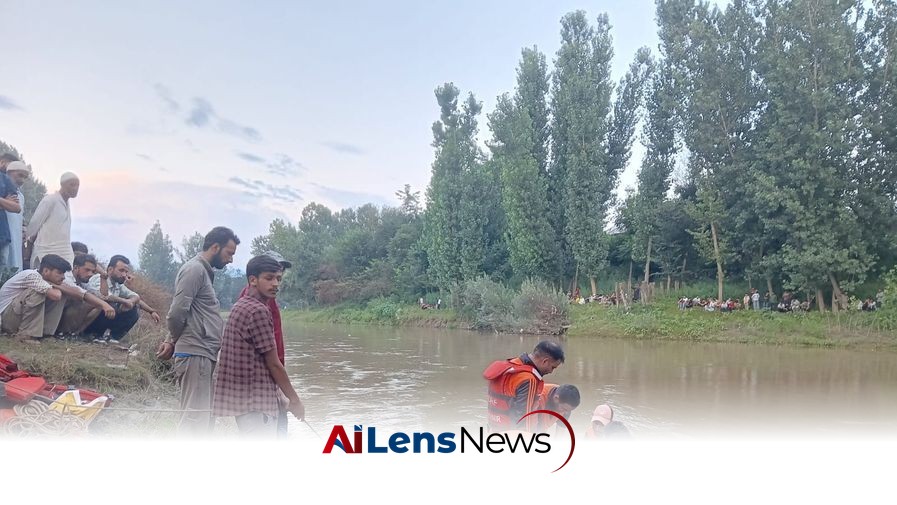


Rescue teams continue efforts to find 13-year-old Fuqan Rafeeq Hajam, who drowned in Nallah Pohru, as local volunteers join the search.
Leh, India Aug 3, 2026 ALN: The search for a 13-year-old boy who drowned in Nallah Pohru at Wadoora in Sopore entered its second day on Monday, with rescue teams intensifying efforts to trace his body. The incident has captured the attention of the local community and raised concerns about safety measures in the region, particularly during the monsoon season when water levels can rise unexpectedly.
The victim has been identified as Fuqan Rafeeq Hajam, son of Mohammad Rafeeq Hajam, a resident of Wadoora Payeen. The loss of such a young life has brought grief to the family and the surrounding community, which is now rallying together in support of the Hajam family during this difficult time. Community members have expressed their sorrow and concern, emphasizing the need for increased awareness regarding safety around water bodies, especially among children.
According to officials, the teenager accidentally slipped into the nallah on Sunday evening while near its bank and was swept away by the strong current. Eyewitness accounts suggest that the boy was playing near the water's edge when the tragic accident occurred. This incident highlights the dangers associated with fast-flowing water bodies, particularly in the wake of heavy rainfall that can rapidly increase water flow and create hazardous conditions.
A joint rescue operation involving the Civil Defence, State Disaster Response Force (SDRF), and Jammu and Kashmir Police was launched immediately after the incident. This multi-agency response underscores the seriousness with which local authorities are treating the situation. Despite hours of searching on Sunday, the boy could not be traced, prompting authorities to resume the operation early Monday. The involvement of various agencies reflects a coordinated effort to locate Fuqan and bring closure to his family.
Local volunteers and residents have also joined the search, assisting rescue personnel in combing different stretches of the nallah. Their involvement is a testament to the community spirit prevalent in Sopore, where neighbors often come together in times of crisis. This grassroots support is crucial, as local residents are familiar with the area and can provide valuable insights to the rescue teams.
Officials said the operation will continue until the missing boy is traced. They also urged people to stay away from the banks of fast-flowing streams and nallahs during the monsoon season, warning that swollen water bodies pose a serious risk. This advisory is particularly important given the geographical and climatic conditions of the region, where the monsoon season can lead to sudden and severe flooding. The local government has been actively promoting safety campaigns aimed at educating residents about the dangers of swimming or playing near fast-moving water, especially during periods of heavy rain.
The incident also raises broader questions about the infrastructure and safety measures in place for managing water bodies in the region. With the increasing frequency of extreme weather events, it is imperative for local authorities to assess and improve safety protocols around rivers and streams. This could include the installation of warning signs, barriers, or even community education programs aimed at preventing such tragedies in the future.
In addition to immediate rescue efforts, the local government may need to consider long-term strategies for flood management and water safety. This could involve collaboration with environmental experts to understand the hydrology of the area and develop effective measures to mitigate risks associated with heavy rainfall and flooding.
The emotional toll on the family and community cannot be understated. Losing a child is one of the most devastating experiences a family can endure, and the support from the community will be critical in helping the Hajam family navigate their grief. Local leaders and counselors may play a vital role in providing emotional support and resources to the family in the aftermath of this tragedy.
As the search continues, the community remains hopeful for a positive outcome. The solidarity shown by residents, volunteers, and rescue teams reflects a deep commitment to one another, especially in times of crisis. The incident serves as a poignant reminder of the fragility of life and the importance of community cohesion in facing challenges together.
In conclusion, while the search for Fuqan Rafeeq Hajam continues, the incident has sparked a critical dialogue about safety around water bodies in the region. The need for increased awareness, better infrastructure, and community support is more important than ever, especially as climate change continues to impact weather patterns and increase the risks associated with natural water bodies. The hope is that through these discussions and actions, future tragedies can be prevented, ensuring the safety of children and families in Sopore and beyond.
Monsoon season, characterized by heavy rainfall, poses unique challenges for regions like Sopore, where the landscape can dramatically change within hours. Rivers and nallahs can swell, transforming from seemingly calm bodies of water to raging currents that can sweep away anything in their path. This seasonal phenomenon necessitates a proactive approach to safety and emergency preparedness, particularly in communities with a high density of children who may not fully understand the dangers associated with such water bodies.
In light of this incident, local officials may need to prioritize the implementation of community workshops focused on water safety. These workshops could be designed to educate children and parents alike about the risks of playing near water, the importance of adhering to safety guidelines, and the need for vigilance during periods of heavy rain. Additionally, schools could play a pivotal role in disseminating this information, incorporating water safety education into their curricula to reinforce these vital lessons.
The role of local government in ensuring the safety of residents cannot be overstated. Authorities may need to enhance their emergency response capabilities, ensuring that rescue teams are well-equipped and trained to handle incidents involving water bodies. This could also involve conducting regular drills and simulations to prepare for potential emergencies, thereby increasing the overall responsiveness of local agencies in crisis situations.
Furthermore, engaging with environmental scientists and hydrologists could provide insights into the specific challenges posed by the region's waterways. Understanding the patterns of water flow, the impact of rainfall on local streams, and the geological features of the area could inform better planning and infrastructure development. This could lead to the creation of natural barriers, retention basins, and other measures designed to mitigate flooding risks and enhance community safety.
The emotional aftermath of such tragedies is profound, not only for the families directly affected but also for the broader community. Grief can manifest in various forms, and it is essential for support systems to be in place to help individuals cope with loss. Community leaders, mental health professionals, and support groups can provide the necessary resources to assist families in navigating their grief, ensuring that no one has to face such challenges alone.
As the search for Fuqan continues, it serves as a reminder of the interconnectedness of community, safety, and responsibility. Each member of the community has a role to play in promoting awareness and ensuring that children are educated about the potential dangers around them. By fostering a culture of safety and vigilance, the hope is that future tragedies can be averted, allowing families in Sopore and surrounding areas to thrive in a secure environment.
In summary, the ongoing search for Fuqan Rafeeq Hajam is not just a local tragedy; it is a call to action for the community and local authorities to address the pressing issues of water safety and emergency preparedness. As the community rallies together in support of the Hajam family, it is crucial to reflect on the lessons learned from this incident and to take tangible steps toward preventing similar occurrences in the future.
To learn more about the latest developments in Crime & Law, stay updated with our exclusive reports and analyses on AiLensNews.

