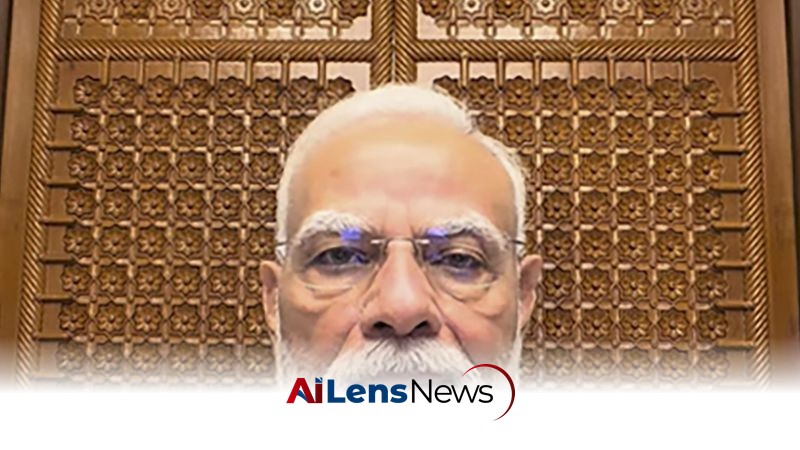


Prime Minister Narendra Modi's recent Instagram reel addressing anti-paper leak measures has set a world record with over 303 million views within 24 hours, showcasing the power of social media.
Leh, India Jul 25, 2026 ALN: Prime Minister Narendra Modi has achieved a remarkable milestone on social media, as his latest Instagram reel addressing anti-paper leak measures has garnered over 303 million views in just 24 hours. This achievement has set a new world record for the platform, highlighting the increasing influence of social media in contemporary governance and public engagement. The sheer scale of viewership reflects not only the Prime Minister's popularity but also the pressing societal concerns surrounding the integrity of educational assessments in India.
Paper leaks and examination malpractices have been persistent issues in India, affecting the credibility of educational institutions and the future of countless students. These incidents have raised significant alarm among parents, educators, and students alike, as they threaten the fairness of competitive examinations that are often seen as gateways to higher education and professional opportunities. By addressing these concerns directly through social media, PM Modi is tapping into a pressing issue that resonates with a vast audience, particularly the youth, who are the primary stakeholders in the education system.
In his midnight video, PM Modi expressed gratitude to his supporters and emphasized the importance of transparency and integrity in examinations. The reel not only outlines the government's commitment to combating corruption in educational assessments but also serves as a rallying cry for the youth to uphold ethical standards. This proactive stance is crucial, as it seeks to foster a culture of honesty and accountability among the younger generation, who will eventually become the leaders and decision-makers of the country. The Prime Minister's approach signifies a shift in how political leaders communicate their policies and engage with the public, moving away from traditional media to platforms where younger audiences are more active.
The surge in viewership reflects the growing trend of political leaders leveraging social media to communicate directly with the public. PM Modi's previous engagement on the platform, which also received significant attention, demonstrates a strategic approach to connect with citizens, particularly the younger demographic. This method of communication allows for immediate feedback and interaction, fostering a sense of community and shared purpose among viewers. As social media continues to evolve, it has become an essential tool in modern governance, providing a platform for leaders to disseminate information quickly and efficiently.
PM Modi's use of Instagram, a platform that is particularly popular among younger users, illustrates a keen understanding of the demographic's preferences and habits. By utilizing visually engaging content, such as reels, the Prime Minister is able to capture attention and convey important messages in a format that is easily digestible and shareable. This innovative approach not only enhances the reach of his messages but also encourages viewers to engage with the content, share it within their networks, and contribute to the dialogue surrounding critical issues like educational integrity.
As the Prime Minister continues to utilize digital platforms effectively, this record-breaking reel serves as a testament to the power of social media in shaping public discourse and influencing policy discussions. The overwhelming response from viewers indicates a strong public interest in the government's initiatives aimed at ensuring fair practices in education. This interest is especially critical in a country where education is often viewed as a gateway to opportunity and success, and where the stakes are high for millions of students aspiring for higher education and competitive exams.
The implications of this record viewership extend beyond mere numbers. It signifies a growing engagement of citizens with governmental processes and a demand for accountability. The Prime Minister's focus on anti-paper leak measures aligns with broader educational reforms aimed at restoring faith in the examination system. Such initiatives are crucial in a country where educational integrity is often questioned, and where the stakes are high for millions of students aspiring for higher education and competitive exams. The government's commitment to addressing these issues is not only necessary but also reflects a broader trend towards transparency and accountability in governance.
Moreover, PM Modi's engagement through social media can be viewed as part of a larger strategy to bolster his administration's image and connect with voters ahead of upcoming elections. As political landscapes evolve, the ability to harness social media effectively can be a decisive factor in shaping public opinion and electoral outcomes. The Prime Minister's record on Instagram is a clear indication of his administration's focus on innovation in communication strategies, demonstrating an understanding of the changing dynamics of political engagement in the digital age.
In conclusion, PM Modi's achievement on Instagram not only marks a significant milestone in social media engagement but also reinforces the government's commitment to transparency and accountability in the education sector. As the conversation around anti-paper leak measures gains momentum, it is clear that social media will play a crucial role in shaping future dialogues. The ability to communicate directly with citizens, address their concerns, and encourage ethical practices can help build a more trustworthy educational framework in India.
As we move forward, it will be interesting to observe how this level of engagement influences policy-making and public perception of educational reforms. The implications of such a high level of interaction on social media could potentially lead to increased pressure on the government to deliver on its promises regarding educational integrity and transparency. Additionally, it may encourage other political leaders to adopt similar strategies, further embedding social media as a fundamental component of political discourse in India.
In the context of India's educational landscape, the focus on anti-paper leak measures is particularly relevant. The examination system in India has faced numerous challenges, including allegations of corruption, favoritism, and the prevalence of cheating. These issues have not only undermined the credibility of the examination process but have also created a sense of disillusionment among students and parents alike. By tackling these issues head-on, the government hopes to restore confidence in the system, ensuring that meritocracy prevails and that all students have a fair chance to succeed.
Furthermore, the use of social media as a tool for engagement can also serve to bridge the gap between the government and the public. By providing a platform for citizens to voice their concerns and share their experiences, the government can gain valuable insights into the challenges faced by students and educational institutions. This feedback loop can inform policy decisions and lead to more effective solutions that address the root causes of examination malpractices.
As the dialogue around educational integrity continues, it is essential for the government to remain responsive to the concerns raised by citizens. The record-breaking views on PM Modi's Instagram reel underscore the importance of transparency and accountability in governance. In a rapidly changing world, where information is readily available and public scrutiny is heightened, the ability to connect with citizens and address their concerns is paramount for any administration.
Ultimately, the success of anti-paper leak measures will depend not only on the government's commitment to reform but also on the active participation of citizens in holding their leaders accountable. As social media continues to shape the political landscape, it is imperative for both leaders and citizens to engage in constructive dialogue, fostering a culture of integrity and transparency that will benefit future generations.
To learn more about the latest developments in Politics, stay updated with our exclusive reports and analyses on AiLensNews.

