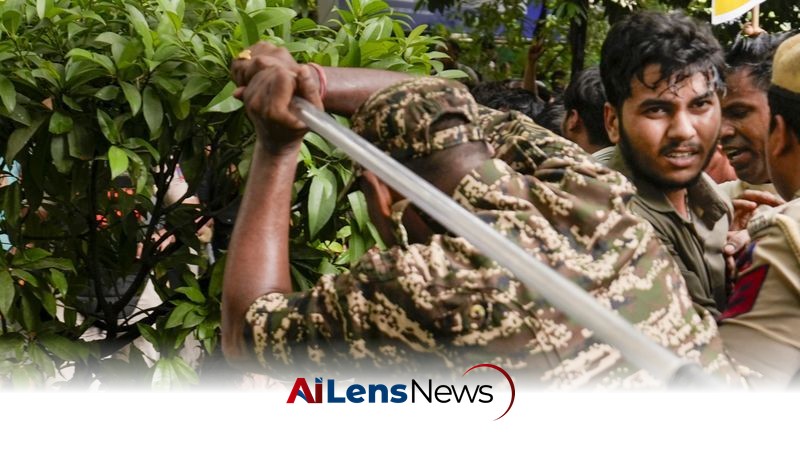


The Ministry of Home Affairs is set to take action against security personnel involved in the assault of student protesters in New Delhi, following serious incidents of manhandling.
Leh, India Jul 23, 2026 ALN: In a significant move, the Ministry of Home Affairs (MHA) has decided to hold senior security personnel accountable for their handling of recent student protests in New Delhi. This decision comes in the wake of disturbing reports of assaults and manhandling of protesters by some officers, which have raised serious concerns regarding the conduct of law enforcement during public demonstrations. The incidents in question have sparked widespread debate about the appropriate use of force and the responsibilities of police in managing public dissent.
Student protests in India have a long history, often serving as a barometer for the socio-political climate of the country. These protests have historically been a platform for students to express their dissatisfaction with government policies, advocate for social justice, and highlight issues regarding education and employment. In recent years, the landscape of student activism has evolved, reflecting broader societal concerns, including rising unemployment rates, the quality of education, and the demand for more inclusive governance. The recent protests in New Delhi were no exception, with students advocating for their rights and expressing dissent against perceived injustices. Eyewitness accounts describe chaotic scenes where students were met with aggressive tactics from law enforcement, raising questions about the balance between maintaining public order and respecting citizens' rights to assemble peacefully.
Sources within the MHA revealed that the incidents, which were captured on video and circulated widely on social media, have prompted a thorough review of the actions taken by security forces during the protests. The Ministry is reportedly considering disciplinary measures against those found culpable of excessive force and misconduct. This move towards accountability is crucial, especially in a democratic society where the rule of law and the protection of civil liberties are paramount. The MHA's decision reflects an acknowledgment of the need for law enforcement to operate within the bounds of the law, particularly when dealing with peaceful protesters. This is especially relevant in a country like India, which prides itself on its democratic values and the right to free speech.
The use of force by police during protests is a contentious issue, often leading to public outcry and demands for reform. In this case, the footage showing the aggressive response of officers has drawn widespread condemnation from various student organizations and civil rights advocates. Many have called for a reassessment of police protocols and training, emphasizing the need for non-violent crowd management strategies. The backlash against the police's actions highlights a growing awareness among the public regarding their rights and the responsibilities of law enforcement. Activists argue that police should be trained to de-escalate situations rather than resorting to violence, and they advocate for community policing models that foster trust between law enforcement and the communities they serve.
In light of these events, the MHA's decision to intervene underscores the government's commitment to ensuring that the rights of citizens to peacefully assemble and express their views are upheld, even in the face of dissent. Officials have emphasized the importance of maintaining public order while also respecting the fundamental rights of individuals. This dual mandate poses a significant challenge for law enforcement agencies, which must navigate the complexities of crowd control without infringing on civil liberties. The balance between security and civil rights is delicate, and the government must tread carefully to avoid exacerbating tensions between law enforcement and the public.
As the situation unfolds, it remains to be seen how the MHA will implement its accountability measures and what reforms may be introduced to prevent such incidents from occurring in the future. The Ministry's actions will be closely monitored by both the public and advocacy groups, as calls for transparency and accountability in law enforcement grow louder. There is a pressing need for the establishment of clear guidelines that dictate the appropriate use of force and ensure that police actions are subject to oversight and review. This could involve the creation of independent review boards to assess incidents of police misconduct and provide recommendations for policy changes.
The implications of the MHA's actions extend beyond the immediate context of the student protests. They signal a potential shift in how law enforcement interacts with the public and may lead to broader discussions about police reform in India. The relationship between law enforcement and civil society has often been fraught with tension, particularly in situations involving dissent. The government's response to these protests may serve as a litmus test for its commitment to democratic principles and human rights. If the MHA takes meaningful steps towards reform, it could enhance public trust in law enforcement and demonstrate a willingness to address systemic issues within the police force.
Moreover, the recent events have reignited discussions about the role of social media in shaping public perceptions of law enforcement. The widespread dissemination of videos capturing the police's actions has played a crucial role in mobilizing public opinion and fostering a sense of solidarity among students and activists. This phenomenon underscores the power of digital platforms in contemporary activism, allowing individuals to document injustices and demand accountability in real time. Social media has become a vital tool for organizing protests, sharing information, and raising awareness about issues that may not receive sufficient attention in traditional media outlets.
In conclusion, the MHA's response to the recent protests reflects a critical moment for the relationship between law enforcement and civil society in India. It underscores the need for a balanced approach that prioritizes both security and the rights of individuals. As the government navigates the complexities of managing dissent, it must also consider the broader implications of its actions on public trust in law enforcement and the democratic process. The path forward will require thoughtful engagement with various stakeholders, including civil society organizations, legal experts, and the public, to foster a more equitable and just society. The ongoing dialogue surrounding police accountability and reform will be essential in shaping the future of law enforcement in India, ensuring that it serves the interests of all citizens while upholding the principles of democracy.
To learn more about the latest developments in Crime & Law, stay updated with our exclusive reports and analyses on AiLensNews.

