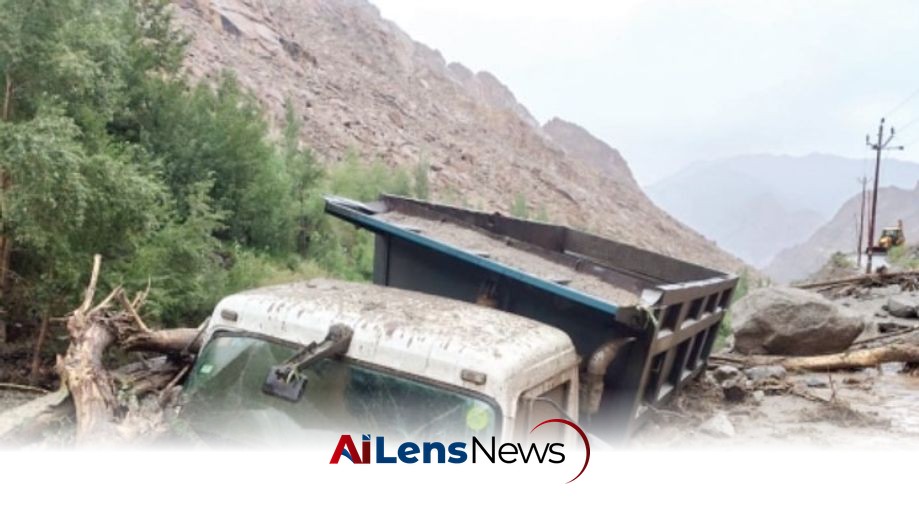


Heavy rainfall and a possible cloudburst led to flash floods in Kargil, affecting homes, agriculture, and infrastructure. No casualties reported yet.
Leh, India Jul 21, 2026 ALN: Flash floods triggered by heavy rainfall and a possible cloudburst caused extensive damage to property, agricultural land, livestock, and public infrastructure across several parts of Kargil district in the Union Territory on Monday. No loss of life has been reported so far.
The region of Kargil, located in the northern part of India, is known for its mountainous terrain and unique climatic conditions, which can sometimes lead to sudden and severe weather events. The recent flash floods are a stark reminder of the vulnerabilities faced by communities in this area, particularly during the monsoon season when heavy rains are common. However, the intensity of these floods has raised concerns among local authorities and residents alike.
The worst-affected areas include Budgam, Karkitchoo, Choskore, Silmo, and YokmaKharboo, where floodwaters inundated villages, damaged houses, washed away agricultural fields, and uprooted trees. These areas, primarily reliant on agriculture and livestock for their livelihoods, have been hit hard, leading to fears of long-term economic impacts as families struggle to recover.
Silmo was among the worst-hit areas, with significant damage reported to public infrastructure, including irrigation canals, roads, and other essential facilities. The destruction of irrigation canals is particularly concerning, as these are vital for the agricultural activities that sustain the local population. With the loss of these canals, farmers may face challenges in accessing water for their crops, which could lead to food shortages and increased prices in the local markets.
Residents reported that the flash floods left several families homeless, swept away livestock, and caused extensive damage to private property and road connectivity, severely affecting normal life. The loss of livestock is especially devastating, as it represents not just a loss of income but also a loss of a family's wealth and security. Many families rely on their animals for daily sustenance and economic stability.
“We urgently need restoration of essential services, particularly road connectivity. Health teams should also be deployed to the affected villages to prevent the outbreak of waterborne diseases,” a resident said. The concern over potential health issues following such disasters is valid, as stagnant water can lead to the spread of diseases such as cholera and dysentery. The need for immediate medical assistance and health services cannot be overstated.
Former Chief Executive Councillor (CEC) of the Autonomous Hill Development Council (LAHDC), Kargil, Feroz Khan, urged the administration to expedite restoration works. His call for action reflects the urgency of the situation, as delays in response can exacerbate the suffering of those affected and hinder recovery efforts.
“Silmo has suffered extensive damage to public infrastructure, irrigation canals, and roads. The authorities must immediately restore essential services and undertake a comprehensive assessment of the losses to public property,” Khan said. His emphasis on a thorough assessment is crucial, as understanding the full extent of the damage will inform the planning and allocation of resources for recovery.
Prominent social activist and politician Sajad Hussain Kargili described the flash floods as a major disaster and appealed to the administration to provide immediate relief and rehabilitation to affected families. His comments highlight the need for a coordinated disaster response, which involves not only government agencies but also NGOs and community organizations working together to support those in need.
“I am deeply saddened by the widespread devastation caused by the flash floods in Sangra, Karkitchoo, and Silmo. Homes, private property, irrigation canals, and other critical infrastructure have been severely damaged, causing immense hardship to farmers and local residents,” Kargili said. The emotional toll on the community is significant, as families grapple with the loss of their homes and livelihoods.
He urged the Lieutenant Governor to order a comprehensive damage assessment, restore the damaged irrigation network, and ensure adequate compensation and relief for all those affected. The call for compensation is particularly important, as many families may not have the financial means to rebuild without assistance. The government’s response will be critical in determining the pace and success of recovery efforts.
Officials stated that assessment teams had been deployed to the affected areas to evaluate the extent of damage and coordinate relief measures. Restoration of essential services, including road connectivity and irrigation infrastructure, has also been initiated in the worst-hit villages. This proactive approach is essential in mitigating the effects of the disaster and helping communities begin the recovery process as soon as possible.
The response to this disaster will likely have broader implications for Kargil and similar regions in the future. As climate change continues to influence weather patterns, communities may face an increasing risk of extreme weather events, including flash floods. This calls for a reevaluation of disaster preparedness and response strategies, as well as investments in infrastructure that can withstand such natural calamities.
Furthermore, the impact of this disaster on the local economy, particularly agriculture, will need to be monitored closely. As the region recovers, there may be opportunities to implement more sustainable agricultural practices and improve infrastructure resilience, ensuring that Kargil can better withstand future challenges.
In conclusion, the flash floods in Kargil serve as a wake-up call for both local authorities and residents about the importance of preparedness and resilience in the face of natural disasters. With the right response and support, the affected communities can rebuild and emerge stronger, but it will require a concerted effort from all stakeholders involved.
To learn more about the latest developments in Crime & Law, stay updated with our exclusive reports and analyses on AiLensNews.

