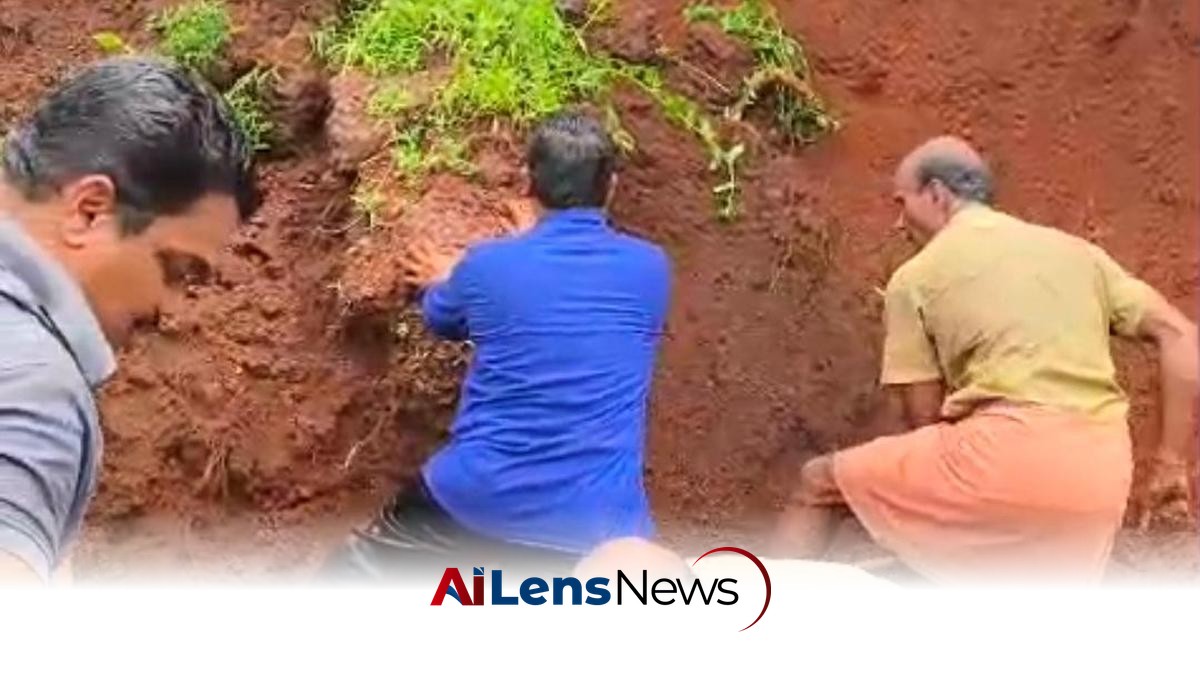


Three construction workers trapped in a landslip in Kasaragod were rescued after heavy rains triggered the collapse of an embankment at a house construction site.
Thiruvananthapuram, India Jul 29, 2026 ALN: On Tuesday afternoon, July 28, a significant incident unfolded in Kothankara, near Cheruvathur in the Kasaragod district of India, when three construction workers became trapped due to a roadside landslip. The landslip was triggered by heavy rainfall that has been affecting the region, leading to the collapse of earth onto a house construction site. Such incidents are not uncommon in areas prone to heavy monsoon rains, particularly in the Western Ghats region, where the geography and climatic conditions create a heightened risk for landslips and erosion.
The workers, identified as Ashokan and Vijesh from Karivellur, along with another Ashokan from Maniyat, were engaged in construction activities when a portion of the roadside embankment caved in, burying them under the debris. Eyewitness accounts indicate that the workers were buried up to their necks in the rubble, which raised immediate concerns for their safety and well-being. The urgency of the situation was compounded by the fact that the landslip occurred during ongoing rainfall, which not only complicated the rescue efforts but also posed a risk of further landslips.
As news of the incident spread, local residents quickly mobilized to assist in the rescue efforts, demonstrating a strong sense of community and urgency. Their initial efforts were crucial in providing immediate support to the trapped workers while waiting for professional rescue teams to arrive. Community members often play a vital role in such emergencies, as they can provide immediate assistance and emotional support to those affected. The collective action of the community in this case highlights the resilience and solidarity often found in small towns and rural areas, where residents are familiar with one another and frequently come together in times of crisis.
The Fire and Rescue Services from Cheemeni and Nadakavu were dispatched to the scene and took over the rescue operation. These teams are typically trained to handle emergencies involving natural disasters, and their expertise was essential in navigating the complexities of the situation. The rescue teams faced significant challenges due to the ongoing rainfall, which posed a risk of further landslips in the area. This made the operation particularly delicate, as rescuers had to work with caution to avoid exacerbating the situation. After several hours of painstaking effort, the workers were successfully extricated from the debris and subsequently transported to a private hospital in Cheruvathur for medical evaluation and treatment.
Fortunately, initial reports indicate that none of the workers sustained serious injuries, which is a relief considering the potential severity of such incidents. However, the psychological impact of the experience and the physical strain of being trapped cannot be understated. The trauma of being buried under debris can have lasting effects on individuals, and mental health support may be necessary for the workers as they recover from this ordeal. The local community is likely to rally around the workers and their families during this distressing time, offering support and assistance as needed. Community support systems are crucial in helping individuals cope with trauma and rebuilding their lives after such incidents.
This incident highlights several critical issues related to construction safety and the impact of extreme weather conditions on infrastructure. The heavy rains that led to the landslip are not an isolated occurrence; they are part of a broader pattern of climate variability that has increasingly affected various regions across India. The monsoon season, which typically brings heavy rainfall, has been intensified in recent years, leading to more frequent and severe weather events such as landslips and floods. This trend raises concerns about the adequacy of current infrastructure and the preparedness of communities to handle such challenges.
Authorities in the region have been urged to take proactive measures to mitigate the risks associated with heavy rains, especially in vulnerable areas where construction activities are ongoing. This includes implementing stricter regulations and safety protocols for construction sites, particularly those located near roads or on unstable terrain. Additionally, there is a need for improved drainage systems and erosion control measures to prevent similar incidents in the future. The integration of sustainable construction practices, such as using materials that can withstand extreme weather and designing buildings that are resilient to landslips, is also essential in minimizing risks.
The local government and disaster management agencies are likely to review the incident thoroughly to assess the response and identify any areas for improvement. The safety of construction workers should be a paramount concern, and ensuring their protection from natural hazards is essential in safeguarding their lives and livelihoods. This incident serves as a reminder that construction sites must adhere to safety guidelines and that workers should be trained to recognize the signs of potential hazards.
In the aftermath of the rescue, authorities have reiterated the importance of community vigilance during the monsoon season. Residents are encouraged to report any signs of instability in the landscape, such as cracks in the ground or unusual water flow patterns, which could indicate a potential landslip. Community awareness and preparedness can play a vital role in minimizing risks and enhancing safety during extreme weather events. Educational programs and workshops on disaster preparedness can empower citizens to take proactive measures to protect themselves and their families.
As India continues to grapple with the effects of climate change and the challenges posed by heavy rainfall, incidents like the one in Kasaragod serve as a reminder of the urgent need for comprehensive disaster risk reduction strategies. By prioritizing safety measures and fostering community engagement, it is possible to create a more resilient environment that can better withstand the impacts of severe weather. Investments in infrastructure that can cope with climate variability, along with community-led initiatives, will be critical in building resilience against future disasters.
In conclusion, the successful rescue of the three construction workers in Kasaragod is a testament to the quick actions of local residents and the professionalism of the emergency services. While the immediate crisis has been averted, it underscores the ongoing challenges faced by communities in the region and the importance of addressing the underlying issues related to construction safety and climate resilience. Continuous dialogue between government authorities, construction companies, and local communities will be essential in creating safer working environments and ensuring that workers are protected from the dangers posed by extreme weather conditions.
To learn more about the latest developments in Crime & Law, stay updated with our exclusive reports and analyses on AiLensNews.

