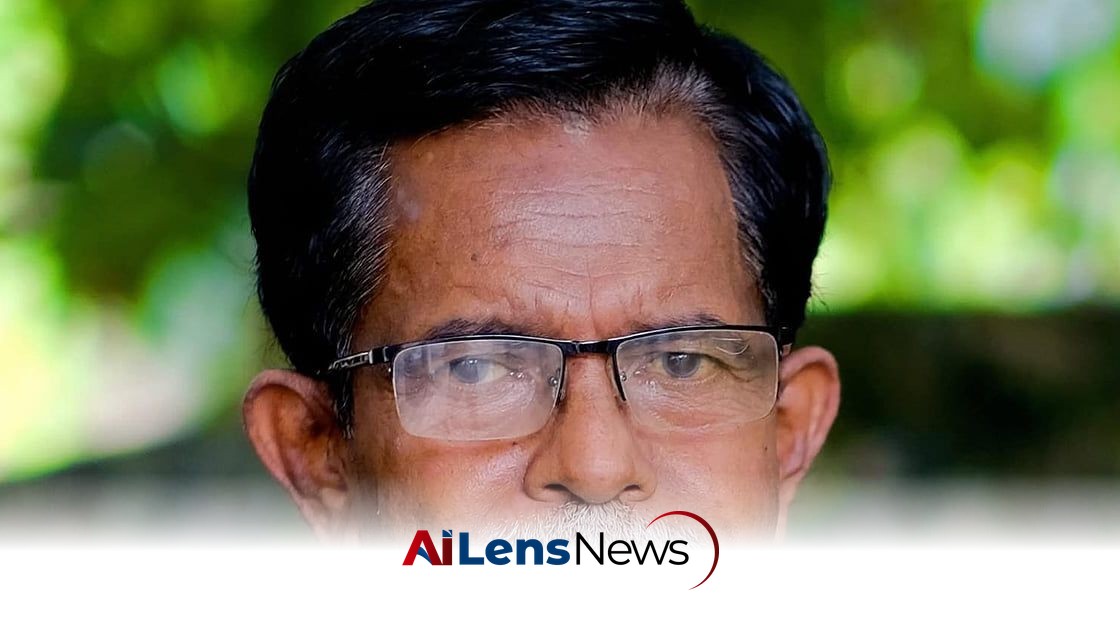


TG Mohandas, a former BJP leader, faces legal action for violent comments about women protesting at Jantar Mantar, leading to widespread outrage.
New Delhi, India Jul 29, 2026 ALN: The recent actions taken by the Kerala police against TG Mohandas have sparked significant discussions about freedom of speech, the responsibilities of public figures, and the implications of derogatory remarks made in the context of political protests. Mohandas, a former head of the Bharatiya Janata Party (BJP) Intellectual Cell in Kerala, is known for his political commentary, which often draws attention for its controversial nature. His remarks regarding the protests at Jantar Mantar, particularly against the NEET paper leak, have led to serious legal repercussions and widespread public outcry.
On July 29, 2023, the Kerala police initiated action against Mohandas after he made inflammatory statements in a series of videos uploaded to his YouTube channel, Pathrika. These videos featured his commentary on the protests organized by the Cockroach Janta Party (CJP), which were aimed at highlighting grievances related to the National Eligibility cum Entrance Test (NEET) and alleged irregularities surrounding its administration. The NEET has been a contentious issue in India, with many students and activists raising concerns about the fairness and transparency of the examination process. This examination, which is a gateway for medical college admissions across the country, has faced scrutiny over allegations of cheating, leaks, and favoritism, leading to widespread frustration among students and parents alike.
In his videos, Mohandas made alarming statements suggesting that if he were in a position of authority, he would have resorted to extreme measures against the protesters, claiming they would have been shot. Such remarks not only reflect a troubling mindset towards dissent but also raise questions about the boundaries of political discourse in India. The right to protest is a fundamental aspect of democratic societies, and remarks that advocate violence against dissenters can undermine the very fabric of democratic engagement. Furthermore, his comments regarding women participating in the protests were particularly egregious, as he implied that they would not only tolerate but also welcome acts of sexual violence. This kind of rhetoric not only perpetuates harmful stereotypes but also contributes to a culture of misogyny that is pervasive in many societies.
Following the backlash against his statements, Mohandas faced multiple complaints from various quarters, leading to his booking under several sections of Indian law. These included Section 192 of the Bharatiya Nyaya Sanhita (BNS), which deals with wantonly giving provocation with the intent to cause a riot, and Section 353(1)(b), which pertains to statements conducing to public mischief. Additionally, he was charged under Section 66 of the Information Technology Amendment Act, which deals with computer-related crimes, and Section 120(o) of the Kerala Police Act, which addresses public nuisance and violations of public order. The legal framework surrounding hate speech and incitement to violence in India is complex, often balancing the right to free speech with the need to maintain public order and protect vulnerable communities.
The response from the Rashtriya Swayamsevak Sangh , a prominent Hindu nationalist organization in India, was also noteworthy. Following the uproar, the RSS issued a statement distancing itself from Mohandas, emphasizing that his views were personal and did not reflect the organization's stance. This distancing is significant as it highlights the complexities within political affiliations and the potential ramifications of individual actions on broader organizational reputations. The RSS's response underscores the sensitivity of political discourse in India, where individual statements can have far-reaching implications for party image and public perception.
The outrage over Mohandas's comments reflects a growing intolerance for hate speech and derogatory remarks, particularly those targeting marginalized groups. In recent years, India has seen a rise in movements advocating for women's rights and against sexual violence, making such comments even more contentious. Activists and organizations working in the realm of gender justice have been vocal in condemning Mohandas's statements, arguing that they not only trivialize the very real issues of sexual violence but also embolden those who perpetuate such attitudes. The intersection of gender and politics in India remains fraught, with activists striving to challenge entrenched patriarchal norms while navigating a complex political landscape.
The implications of this incident extend beyond Mohandas himself. It raises critical questions about the role of social media in amplifying harmful rhetoric and the responsibilities of content creators in the digital age. As platforms like YouTube allow for a wide dissemination of opinions, the potential for inciting violence or promoting hate speech becomes a pressing concern for both society and lawmakers. The rapid spread of information on social media can lead to real-world consequences, as seen in various instances where inflammatory rhetoric has incited violence or unrest.
Moreover, the legal actions taken against Mohandas may set a precedent for how similar cases are handled in the future. It could signal a shift towards more stringent measures against individuals who use their platforms to spread hate or incite violence, particularly in a politically charged environment. This situation also underscores the importance of accountability for public figures and the need for a societal consensus on what constitutes acceptable discourse. The balance between freedom of expression and the need to protect individuals from hate speech is a delicate one, and this case may serve as a touchstone for future legal and societal debates.
As the situation unfolds, it will be essential to observe the reactions from various political factions, civil society, and the general public. The balance between protecting freedom of speech and preventing hate speech will continue to be a contentious issue in India, particularly as political tensions remain high. The actions taken against Mohandas may serve as a catalyst for further discussions on the responsibilities that come with the freedom to express one's views, especially in a diverse and pluralistic society like India. The ongoing discourse around this incident may influence how future cases of hate speech and incitement are addressed, reflecting broader societal attitudes towards these issues.
In conclusion, the case of TG Mohandas serves as a stark reminder of the power of words and the potential consequences that can arise from inflammatory rhetoric. As society grapples with issues of gender, politics, and free speech, it becomes increasingly important to foster a culture of respect and understanding, one that encourages constructive dialogue rather than incitement and division. The legal and social ramifications of this case will likely reverberate throughout Indian society, prompting both reflection and action in the realms of public discourse, gender justice, and the responsibilities of those who wield influence in the public sphere.
To learn more about the latest developments in Crime & Law, stay updated with our exclusive reports and analyses on AiLensNews.

