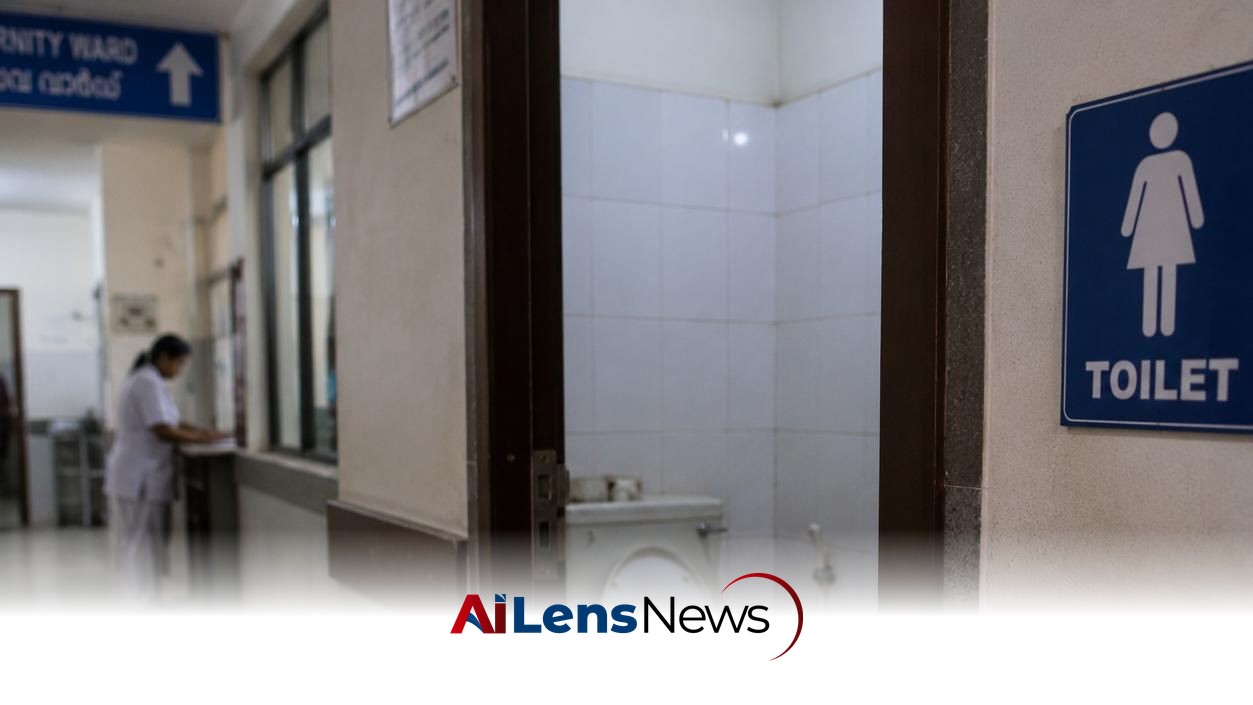


Police in Thiruvananthapuram have opened an investigation after a newborn was discovered dead in a hospital toilet, raising serious concerns.
Thiruvananthapuram, India Aug 3, 2026 ALN: Thiruvananthapuram: Police have registered a case after the body of a newborn was found in the toilet of a government hospital here, officials said on Monday. According to police, the incident occurred on Sunday night at the SAT Hospital in Thiruvananthapuram.
An unmarried woman, aged around 20, was admitted to the hospital with heavy bleeding, police said. Investigators suspect that she delivered the baby in the hospital toilet and allegedly flushed the newborn into the toilet. This tragic event has raised serious concerns about maternal health and the societal pressures faced by unmarried women in India.
The incident came to light after hospital staff and others noticed blood stains on the woman's clothes when she came out of the toilet, officials said. When questioned, the woman allegedly told them that the child had been aborted. The hospital authorities were informed, following which police were called. The body of the newborn was later retrieved from the toilet tank, officials said. The woman is undergoing treatment at the hospital.
The Thiruvananthapuram Medical College Police have registered a case and launched an investigation into the incident. The body has been shifted to the mortuary for further procedures, officials added. The circumstances surrounding this incident point to a larger issue that affects many women in similar situations across India.
In India, the stigma associated with unplanned pregnancies can be overwhelming, particularly for unmarried women. Cultural norms often place a heavy burden on women, leading them to feel isolated and unsupported when faced with unexpected pregnancies. This stigma can drive women to make desperate choices that endanger both their health and the lives of their children.
The issue of maternal health in India is complex and multifaceted. Despite significant advancements in healthcare, many women still face barriers to accessing proper medical facilities, especially in rural areas. In urban settings, while facilities may be more accessible, the stigma surrounding unwed motherhood can deter women from seeking help. This can result in dangerous situations, such as attempting to terminate a pregnancy without proper medical assistance. Such circumstances can lead to severe health complications and, tragically, even death.
In recent years, various NGOs and government initiatives have aimed to improve maternal healthcare and reduce stigma. Programs focusing on education, family planning, and reproductive rights have been implemented to empower women and provide them with the necessary resources to make informed decisions about their bodies. However, the effectiveness of these initiatives varies greatly depending on the region and the socio-economic status of individuals. In some areas, the lack of education and resources continues to be a significant barrier to accessing safe healthcare options.
In the case of the 20-year-old woman from Thiruvananthapuram, investigators will likely delve deeper into her background to understand the circumstances that led to this tragic event. Questions surrounding her access to healthcare, the support systems available to her, and her mental health will be crucial in understanding the full context of the situation. The police are expected to consider whether she was coerced or if there were other factors that influenced her actions. Understanding the societal pressures she faced could provide insight into her decision-making process.
Moreover, this incident may prompt a broader discussion about the need for comprehensive sex education in schools and communities. Many young people lack access to accurate information regarding sexual health, contraception, and the implications of unplanned pregnancies. By addressing these gaps in education, society can help reduce the number of young women facing similar dilemmas in the future. Comprehensive sexual education can empower young people to make informed choices, ultimately leading to healthier outcomes for both women and children.
The emotional and psychological impact of such incidents on healthcare providers and hospital staff should also be acknowledged. Healthcare professionals often find themselves in challenging situations where they must navigate the emotional complexities of their patients' experiences. The discovery of a deceased newborn in such a manner can be traumatic for staff members, leading to potential burnout and emotional distress. Hospitals may need to implement support systems for their employees to help them cope with the psychological toll of such events. Ensuring that healthcare workers have access to mental health resources is crucial for maintaining a supportive environment for both staff and patients.
As the investigation progresses, the community will be watching closely for updates. The police's findings may lead to charges against the woman, depending on the circumstances surrounding the newborn's death. However, it is essential for the authorities to approach the case with sensitivity, recognizing the societal issues at play and the potential need for support rather than punishment. Legal repercussions should not overshadow the urgent need for societal change and better healthcare access for vulnerable populations.
This incident is a heartbreaking reminder of the challenges faced by women in similar situations. It underscores the urgent need for societal change, better healthcare access, and comprehensive education on reproductive health. As the investigation unfolds, it will be crucial to address the underlying issues that contribute to such tragic outcomes, ultimately working towards a future where women feel empowered to seek help without fear of stigma or retribution.
In conclusion, the discovery of a newborn's body in a hospital toilet in Thiruvananthapuram highlights the dire need for a more compassionate and understanding approach towards maternal health issues in India. Societal attitudes towards unwed mothers, access to healthcare, and education on reproductive rights must be prioritized to prevent such tragedies from occurring in the future. The focus should not only be on legal repercussions but also on creating an environment where women can seek help and support without fear of judgment. Only through comprehensive reforms and societal change can we hope to see a significant reduction in such heartbreaking incidents.
To learn more about the latest developments in Crime & Law, stay updated with our exclusive reports and analyses on AiLensNews.

