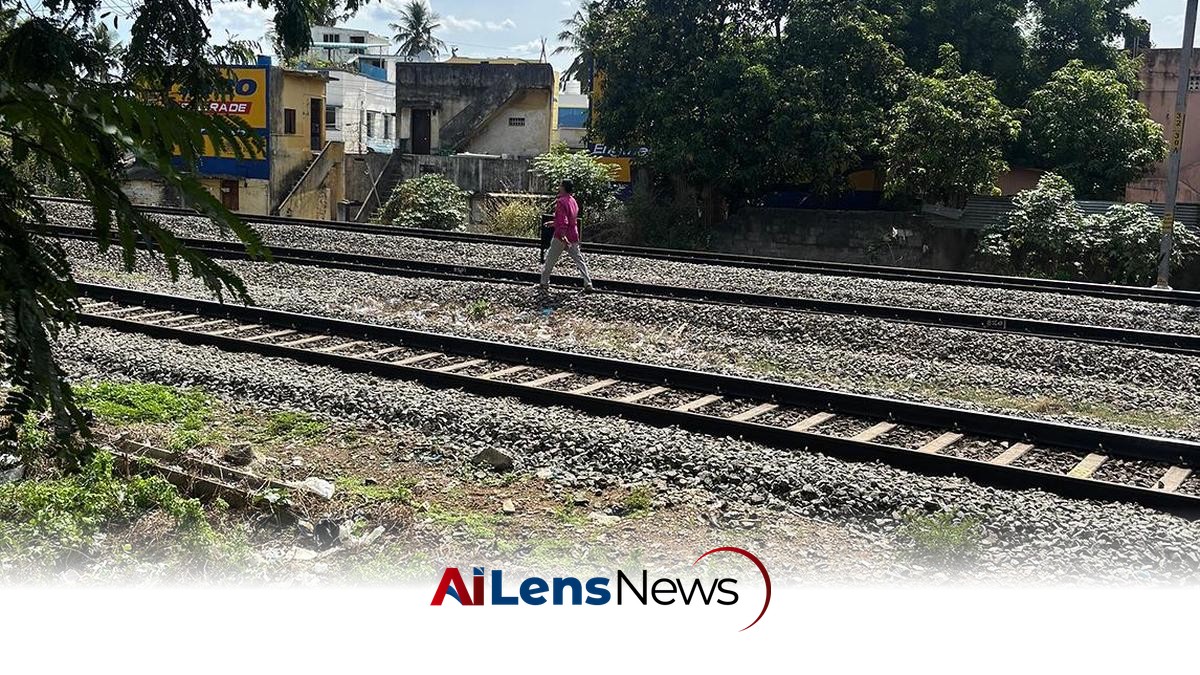


The Indian Railways' decision to appoint 7,220 ex-servicemen as gatemen without competitive exams has raised concerns among job aspirants and permanent employees.
Thiruvananthapuram, India Jul 14, 2026 ALN: The Indian Railways, one of the largest employers in the country, has recently come under scrutiny for its decision to recruit ex-servicemen as level crossing gatemen on a contractual basis. This policy shift has sparked significant controversy among railway job aspirants as well as existing permanent railway employees. The Railway Board's approval for the appointment of approximately 7,220 ex-servicemen for the position of gateman in the Engineering department has raised concerns regarding the recruitment process, job security, and the implications for future employment opportunities within the Indian Railways.
The recruitment of ex-servicemen is not a new practice within the Indian Railways, which has historically provided job opportunities to veterans as part of its commitment to supporting those who have served in the armed forces. However, the current approach, which bypasses competitive examinations in favor of direct appointments through Ex-Servicemen Welfare Boards under both Central and State governments, has drawn criticism. This method of recruitment is perceived as undermining the merit-based selection process that many job aspirants believe should be a fundamental aspect of employment in such a prestigious organization.
In the Southern Railway zone alone, approximately 918 posts are set to be filled through these contractual appointments. The decision has raised alarm among those who have been preparing for competitive exams, as it represents a significant shift in how vacancies are filled within the railway system. The policy is seen by many as a move towards increasing the reliance on contractual employment rather than permanent positions, which has broader implications for job security and the overall employment landscape within the Indian Railways.
Gatemen, while categorized under the broader group of ‘track maintainers’, are assigned roles that are generally considered less physically demanding than those of traditional track maintainers. Track maintainers are required to walk substantial distances—typically between 10 to 14 kilometers daily—along railway tracks to inspect rails and other critical infrastructure, ensuring the safe movement of trains and preventing accidents. This physically taxing role is essential for maintaining the integrity and safety of the railway network.
In contrast, the role of gatemen, who manage level crossings, involves monitoring vehicle and pedestrian traffic and ensuring safety at these critical junctions. Given the nature of the work, it has been observed that many gatemen are women who have been previously recruited as track maintainers. The new policy indicates that these women employees, along with other permanent staff currently in the gateman category, will be reassigned to track maintenance duties. This shift raises concerns about the impact on the existing workforce, particularly regarding job roles and responsibilities.
Critics of the new recruitment policy argue that it will not only diminish employment opportunities for aspiring candidates but could also adversely affect the ex-servicemen themselves. The introduction of contractual appointments may lead to a decrease in the number of permanent vacancies available under the ex-servicemen quota, which has traditionally provided a pathway for veterans to transition into civilian employment. This situation has prompted significant backlash from various stakeholders within the railway community.
S. Gopikrishnan, the general secretary of the Southern Railway Mazdoor Union (SRMU) based in the Thiruvananthapuram Division, has voiced strong opposition to this policy change. The union has formally submitted a representation to the Railway Board, urging them to reconsider and withdraw the decision. Mr. Gopikrishnan highlighted that this recruitment strategy is part of a broader trend within the Indian Railways to promote contractual appointments in key sectors. He emphasized that such a shift would deny young job aspirants their rightful share of employment opportunities within the Railways, which has long been regarded as a stable and sought-after employer in India.
Under the new policy, eligibility for the position of gateman is extended to ex-servicemen who have been discharged after completing a minimum of 15 years of military service and possess a valid discharge certificate. Additionally, retired personnel from the Central Armed Police Forces, including the Border Security Force (BSF), Central Reserve Police Force (CRPF), Central Industrial Security Force (CISF), Indo-Tibetan Border Police (ITBP), and Sashastra Seema Bal (SSB), who have completed at least 15 years of service, are also eligible to apply for these positions.
The selected candidates will be engaged as gatemen at traffic level crossings on a contractual basis, with remuneration ranging from ₹30,537 to ₹34,963 per month for a maximum period of three years. This pay scale is competitive within the context of contractual employment but raises questions about long-term job security and the potential for career advancement. The role of track maintainers, technically referred to as keymen, constitutes a significant portion of the approximately 1.3 million Group C employees within the Indian Railways, highlighting the importance of these positions to the overall functioning of the railway system.
The implications of this recruitment policy extend beyond the immediate concerns of job seekers and existing employees. As the Indian Railways continues to evolve and adapt to changing economic and operational realities, the reliance on contractual employment could reshape the landscape of public sector jobs in India. The balance between providing opportunities for ex-servicemen and ensuring fair competition for all job aspirants remains a contentious issue that warrants careful consideration by policymakers and railway authorities.
In conclusion, the decision to recruit ex-servicemen as gatemen on a contractual basis has ignited a debate over employment practices within the Indian Railways. While the intention to provide opportunities for veterans is commendable, the method of recruitment and its impact on existing employees and job aspirants raises significant concerns. As this situation unfolds, it will be crucial for the Indian Railways to navigate these challenges thoughtfully to maintain its reputation as a fair and equitable employer.
To learn more about the latest developments in Local & Regional, stay updated with our exclusive reports and analyses on AiLensNews.

