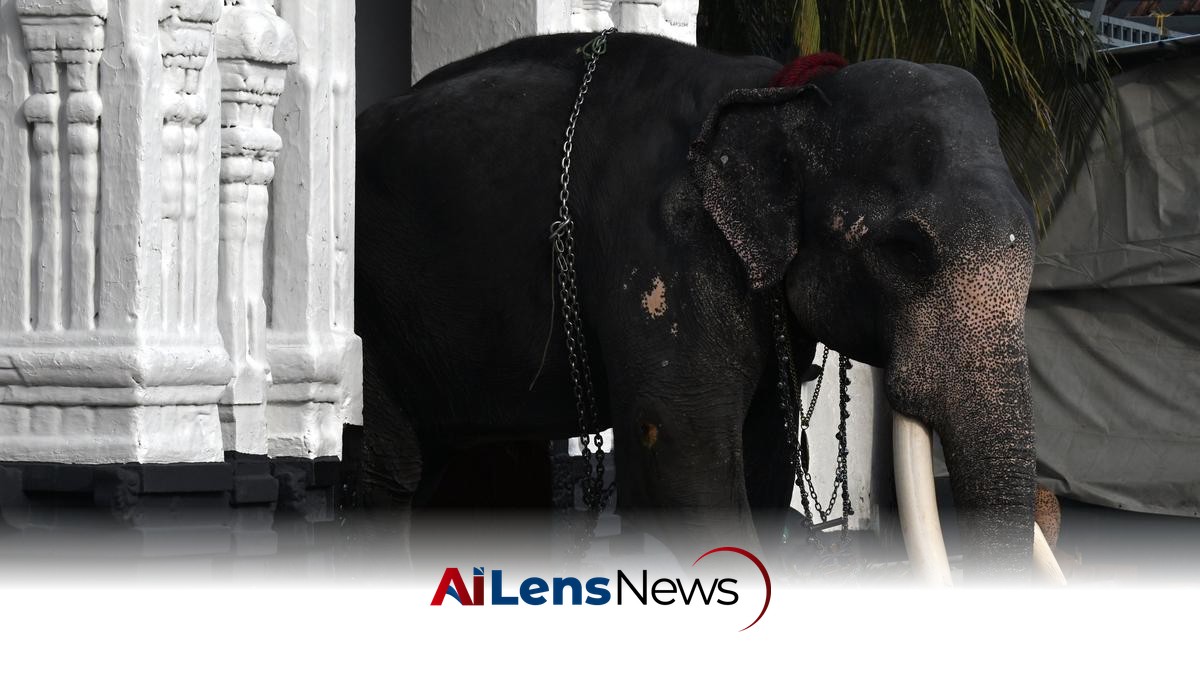


Karnataka seeks Kerala's support for an elephant donation amid new regulations governing transfers. Explore the legal framework and implications.
Doha, Qatar Jul 13, 2026 ALN: The story so far: Karnataka Chief Minister D.K. Sivakumar has reached out to Kerala Chief Minister V.D. Satheesan to facilitate the donation of a female elephant for the Kollur Mookambika Temple in Udupi, Karnataka. This elephant is intended for use in traditional religious ceremonies and temple rituals. The request highlights the cultural significance of elephants in Indian religious practices, particularly in South India, where they are often seen as symbols of prosperity and are integral to temple festivities. Previously, the Kerala Government declined a similar request from the Telangana Chief Minister for a camp elephant, indicating that the transfer of elephants is a sensitive issue that requires careful consideration of legal and ethical implications.
The Union Ministry of Environment, Forest and Climate Change has established the Captive Elephant (Transfer or Transport) Rules, 2024, under Section 63 of the Wildlife (Protection) Act, 1972. This legislation empowers the Central Government to create rules for the implementation of the Act, covering the transfer and transportation of elephants both within and between states. The rules are designed to ensure that the welfare of the elephants is prioritized during any transfer, reflecting a growing awareness of animal rights and welfare in India.
The Chief Wildlife Warden serves as the statutory authority responsible for approving applications for the transport or transfer of elephants, which are listed in Schedule One of the Act. This schedule includes species that are considered endangered or threatened, underscoring the need for strict oversight in their management and transfer.
According to Section 43 of the Act, individuals possessing a captive animal or related articles must not transfer them for commercial purposes without proper ownership certification. This provision is critical in preventing the illegal wildlife trade, which poses a significant threat to biodiversity and conservation efforts. Additionally, any transfer or transport of animals or wildlife articles from one state to another must be reported to the Chief Wildlife Warden within thirty days, ensuring a transparent process and enabling authorities to monitor and regulate animal movements effectively.
The Captive Elephant (Transfer or Transport) Rules, 2024, published on February 24, 2024, outline the conditions for transferring and transporting elephants. Only elephants for which ownership certificates were obtained before this date are eligible for transfer. This stipulation aims to prevent the transfer of elephants that may have been acquired illegally or without proper documentation. Additionally, only elephants with a genetic profile recorded in the Ministry's electronic monitoring system can be transferred, which is a step towards better tracking and management of captive elephant populations.
The Rules specify conditions under which the Chief Wildlife Warden can approve a transfer. The Warden must be convinced that the owner can no longer maintain the elephant or that the animal will receive better care if transferred. A detailed inquiry and physical verification of both the current and proposed housing facilities are required before approval. This thorough vetting process is essential to ensure that elephants are not moved to unsuitable environments that could compromise their welfare.
For inter-state transport, both the donor and recipient states' Chief Wildlife Wardens must review and approve the applications. Once approved, a permission valid for three months is issued, allowing for a structured timeline for the transfer process. The transported elephant must be accompanied by a mahout and an assistant, and a veterinary examination is required to ensure the animal is fit for transport. Proper feeding and hydration must be arranged during transit, and the use of tranquilizers may be prescribed for nervous elephants, indicating a comprehensive approach to animal welfare during transport.
However, these rules have faced criticism from animal rights activists and environmentalists, who argue that they could be exploited for illegal transfers or sales of elephants. Concerns have also been raised about Section 43(2), which allows for the transfer of captive elephants for religious purposes. Critics argue that this provision could be misused to bypass the stricter regulations intended to protect elephants, potentially leading to increased exploitation of these animals under the guise of religious practices.
As discussions continue between Karnataka and Kerala regarding the potential donation of the elephant, the implications of these regulations will be closely monitored by various stakeholders, including wildlife conservationists, animal rights organizations, and religious communities. The outcome of this situation may set a precedent for future elephant transfers between states, impacting not only the welfare of elephants but also the cultural practices that involve them. The balancing act between cultural traditions and animal welfare is a delicate one, and the decisions made in this case could influence public perception and policy regarding the treatment of captive elephants in India.
Moreover, the legal framework surrounding elephant transfers raises broader questions about the conservation status of elephants in India. As one of the largest populations of Asian elephants resides in India, any legal provisions regarding their transfer must consider the species' overall health and habitat conservation. The Indian elephant, classified as endangered by the Inter Union for Conservation of Nature (IUCN), faces numerous threats, including habitat loss, human-wildlife conflict, and poaching. Therefore, any movement of elephants should ideally contribute to conservation efforts rather than detract from them.
In conclusion, the proposed elephant donation to Karnataka from Kerala underscores the complexities involved in the management and transfer of captive elephants in India. As the legal landscape continues to evolve, stakeholders must navigate the intersection of cultural traditions, animal welfare, and conservation to ensure that the interests of both elephants and the communities that revere them are respected and upheld. The discussions between Karnataka and Kerala will be pivotal in shaping future policies and practices related to elephant transfers, and the outcomes will likely resonate beyond state borders, influencing dialogues on wildlife protection and animal rights.
To learn more about the latest developments in Crime & Law, stay updated with our exclusive reports and analyses on AiLensNews.

