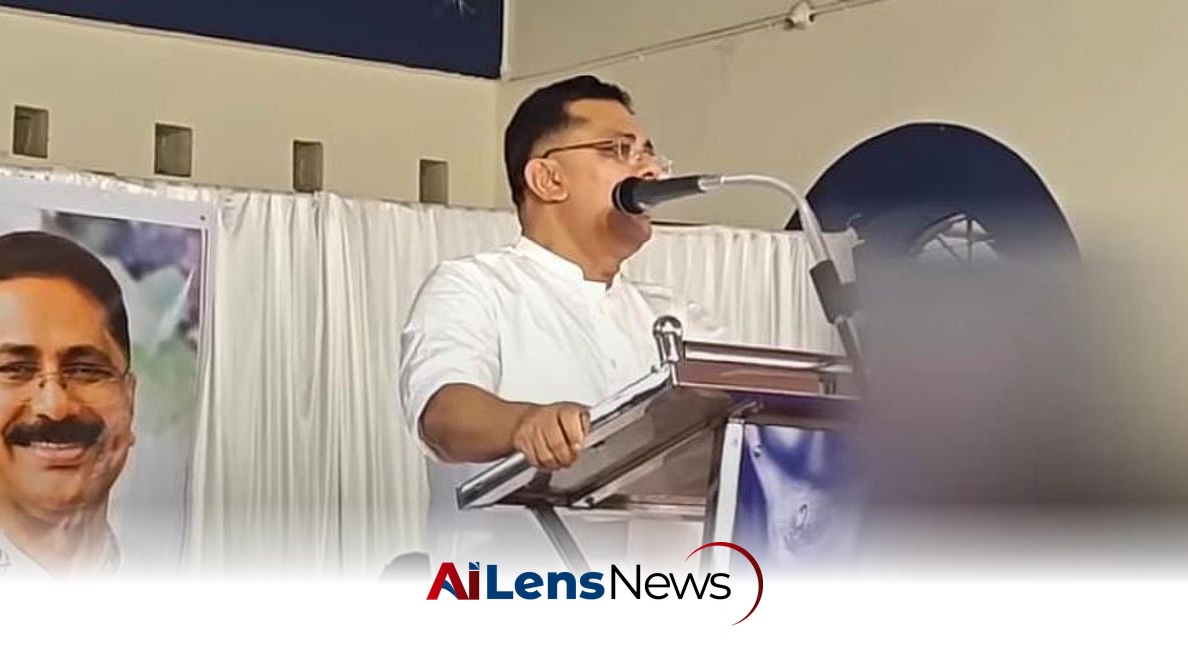


The Kerala State Commission for Protection of Child Rights has filed a case against KT Jaleel for allegedly humiliating a student during a public event.
New Delhi, India Jul 14, 2026 ALN: The Kerala State Commission for Protection of Child Rights (KeSCPCR) has initiated formal proceedings against KT Jaleel, the former Minister for Higher Education in Kerala, following allegations that he humiliated a student during a public event. This incident has sparked significant debate about the treatment of students in educational settings and the responsibilities of public figures in promoting positive interactions with youth.
KT Jaleel, who has served as a Member of the Legislative Assembly (MLA) for four terms and recently aligned himself with the Communist Party of India Marxist (CPIM), was captured in a viral video that has since drawn widespread attention. The footage shows Jaleel scolding a student and pinching the ear of the child during a felicitation ceremony held in Mannarkkad, located in the Palakkad district of Kerala. The event aimed to honor students who had achieved high scores in the SSLC Plus Two examinations, which are crucial for advancing in the Indian education system.
In the video, Jaleel can be seen asking the student to write in Hindi, a language that may not be the student's first, and subsequently reprimanding him for making errors. The act of pinching the student's ear while addressing the audience has been interpreted by many as a form of public humiliation, raising questions about the appropriateness of such behavior by a public figure, especially in the context of children’s rights.
The incident has not gone unnoticed by various student organizations and child rights advocates. The Muslim Students Federation (MSF), which is the student wing of the Indian Union Muslim League (IUML), has publicly demanded an apology from Jaleel, emphasizing the need for respect and dignity in interactions with students. This demand reflects broader concerns within society regarding how authority figures treat young people, particularly in educational contexts.
Bindu Krishna, Kerala's Minister for Women and Child Development, has also condemned Jaleel's actions, stating that his behavior was "completely inappropriate and humiliating." Krishna pointed out that the public reprimand of the child, especially in front of an audience, constituted a serious violation of the child’s rights. She emphasized that children should be treated with respect and dignity and that their rights must be upheld in all circumstances.
In the aftermath of the incident, the student involved offered a different perspective. He clarified that Jaleel had asked him to write some words in Hindi, and when he made mistakes, Jaleel attempted to assist him as a teacher would. The student expressed that he did not feel insulted by the interaction, stating, "We didn't feel it was an insult; he acted like a teacher." This perspective complicates the narrative, as it raises questions about the interpretation of authority and discipline in educational settings.
KT Jaleel has publicly denied the allegations of humiliation. In a post on social media, he defended his actions by highlighting his long-standing background in education and his commitment to engaging with students in a meaningful way. He stated, "I do not believe in delivering boring, one-sided speeches at felicitation programs. Instead, I prefer to engage students and parents through interactive questions and conversations to identify both their strengths and weaknesses." This defense suggests that Jaleel views his approach as one that fosters interaction rather than intimidation.
While Jaleel acknowledged that he did hold the student's ear, he insisted that the interaction was not negative, stating, "I held the child’s ear while smiling, and the student was also smiling." He pointed out that the video, which has gone viral, does not clearly capture the context of the interaction due to the blurring of the child's face. Jaleel's assertion raises important questions about the role of context in interpreting actions that may be perceived as abusive or humiliating.
The implications of this incident extend beyond the immediate controversy surrounding Jaleel. It highlights the ongoing discourse regarding child rights in India, particularly in the context of education. The Kerala State Commission for Protection of Child Rights was established to ensure that the rights of children are upheld and protected in the state, and this incident underscores the importance of their role in addressing grievances related to child welfare.
Furthermore, the reactions from various stakeholders, including government officials, student organizations, and the public, reflect a growing awareness and sensitivity towards the rights of children. The demand for accountability from public figures and the expectation that they model respectful behavior towards young people is indicative of a broader cultural shift towards prioritizing child rights in India.
As discussions about the incident continue, it remains to be seen how the KeSCPCR will proceed with the case against Jaleel and what consequences may follow. This case could set a precedent for how similar incidents are handled in the future and may influence public expectations regarding the treatment of students by educators and public officials.
In conclusion, the incident involving KT Jaleel serves as a critical reminder of the need for sensitivity and respect in all interactions with children, particularly within educational contexts. It emphasizes the importance of upholding children's rights and the responsibility of public figures to act as role models for the younger generation. As the case unfolds, it will be crucial for all parties involved to engage in constructive dialogue aimed at fostering a positive and respectful educational environment for all students.
In the broader context, this incident has reignited discussions about the dynamics of authority and respect in educational institutions. The role of educators and public figures in shaping the learning environment is paramount, and their actions can have lasting impacts on students' self-esteem and willingness to engage in academic pursuits. The importance of positive reinforcement and supportive teaching methods cannot be overstated, especially in a society that is increasingly recognizing the value of mental health and emotional well-being in educational success.
Moreover, this incident serves as a case study for how public figures can influence societal norms and expectations regarding child treatment. With the rise of social media, actions that were once confined to private settings can quickly become public spectacles, leading to swift public reactions and demands for accountability. This shift necessitates that public figures, especially those in positions of authority, must be more mindful of their actions and the messages they convey through their behavior.
As the KeSCPCR moves forward with its proceedings, it will be important for them to consider not only the immediate actions of Jaleel but also the broader implications of their findings. Establishing clear guidelines and expectations for how public figures interact with children could help prevent similar incidents in the future and promote a culture of respect and dignity in educational settings across Kerala and beyond.
Ultimately, the way this situation is handled may set a precedent that influences not only the political landscape in Kerala but also the larger discourse on child rights and protection in India. As society continues to evolve, the emphasis on children's rights and their treatment by authority figures will likely remain a critical area of focus, necessitating ongoing dialogue and reform to ensure that all children are treated with the respect and dignity they deserve.
To learn more about the latest developments in Crime & Law, stay updated with our exclusive reports and analyses on AiLensNews.

