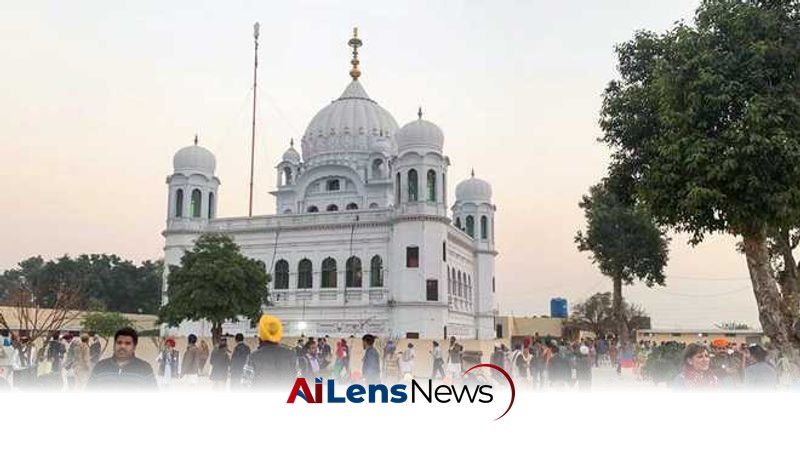


The Indian government has announced the continued suspension of the Kartarpur Sahib Corridor due to security issues stemming from the recent Pahalgam terror attack, despite appeals for its reopening from Sikh organizations.
New Delhi, India Aug 1, 2026 ALN: The Indian government has made the decision to keep the Kartarpur Sahib Corridor closed, citing ongoing security concerns that have arisen following the recent terror attack in Pahalgam, which occurred in 2025. This decision comes despite numerous appeals from Sikh religious groups and organizations advocating for the corridor's early reopening. The Kartarpur Corridor, which connects India to the Kartarpur Sahib Gurdwara in Pakistan, has been a significant pilgrimage route for Sikhs. However, the current security situation has prompted authorities to prioritize safety over accessibility, leading to a closure that has profound implications for the Sikh community.
The closure of the Kartarpur Corridor is a significant development for the Sikh community, as this route has provided a vital link for pilgrims wishing to visit the Kartarpur Sahib Gurdwara, one of the holiest sites in Sikhism. The corridor was inaugurated in November 2019 and has since facilitated the travel of thousands of pilgrims, allowing them to pay their respects at the shrine without the need for a visa. This initiative was celebrated as a major step towards easing travel restrictions and fostering goodwill between India and Pakistan, particularly in the context of a historically fraught relationship between the two nations. The Gurdwara is located just across the border in Pakistan, and its historical significance dates back to the time of Guru Nanak, the founder of Sikhism, who spent his final years in the area. The corridor has thus become a symbol of not only religious devotion but also of cross-border connection and understanding.
The recent attack in Pahalgam, a popular tourist destination in Jammu and Kashmir, has raised alarm bells regarding the safety and security of the region. This incident, characterized by violence and instability, has led the Indian government to reassess its security protocols and measures, particularly concerning places of worship and pilgrimage. The government’s decision reflects a broader concern about the potential for further violence and the risks associated with large gatherings of people, especially in a context where tensions can escalate quickly. The Pahalgam attack has underscored the precarious security environment in Jammu and Kashmir, a region that has long been a flashpoint for conflict and violence.
Officials noted that the decision to keep the corridor closed was made after thorough assessments of the current security landscape. The government acknowledged the representations received from various Sikh organizations urging the reopening of the corridor, emphasizing the cultural and religious importance of the site. The Sikh community has a rich history of pilgrimage, and the Kartarpur Sahib Corridor has been a symbol of hope and unity for many Sikhs worldwide. The corridor allows devotees to connect with their spiritual heritage and maintain ties with their religious roots. However, the government must also balance these sentiments with the imperative of ensuring public safety in light of recent threats.
In light of the recent events, the government has reiterated its commitment to ensuring the safety of pilgrims and has stated that the corridor will remain closed until the security situation stabilizes. This decision has been met with mixed reactions from the Sikh community. While many understand the need for caution in the face of security threats, others feel that the prolonged closure limits their spiritual expression and connection to their faith. The emotional and cultural implications of the corridor's closure are profound, as it represents not only a physical journey but also a spiritual one. For many Sikhs, the ability to visit the Kartarpur Sahib Gurdwara is not merely a matter of convenience; it is a deeply held religious conviction that connects them to their history and identity.
Many Sikh devotees have expressed disappointment over the prolonged closure of the corridor, which has been a vital link for them to visit one of their holiest sites. The government has promised to review the situation regularly and will make decisions based on the evolving security dynamics. This commitment to regular reviews suggests that the government is aware of the significance of the corridor and is not dismissing the concerns of the Sikh community lightly. However, the timeline for reopening remains uncertain, and this ambiguity may lead to increased frustration among devotees. The emotional toll of this uncertainty is significant, as many individuals plan their lives around the opportunity to make pilgrimages, often considering it a central aspect of their faith and cultural identity.
The implications of the corridor's closure extend beyond individual disappointment; they touch on broader issues of religious freedom, interfaith relations, and regional security. The Kartarpur Corridor was seen as a step towards fostering goodwill between India and Pakistan, two nations that have a tumultuous relationship marked by historical conflicts and ongoing tensions. The corridor’s opening was celebrated as a gesture of peace and a means to promote understanding between the two countries. However, the recent security concerns have overshadowed these positive developments, raising questions about the future of such initiatives in an environment where safety is increasingly prioritized over accessibility.
The government’s approach to security in this context reflects a balancing act between ensuring public safety and honoring the religious sentiments of a significant portion of the population. The Sikh community, which has historically faced various challenges and discrimination, views the corridor as a symbol of their rights and recognition. The closure can be perceived as a setback in the ongoing struggle for religious rights and accessibility, particularly in a region where such rights are often contested. The implications of this closure resonate deeply within the Sikh community, as it raises concerns about their ability to practice their faith freely and without hindrance.
As the situation develops, the government remains in dialogue with community leaders to address concerns and explore potential solutions for safe pilgrimage access in the future. This dialogue is crucial, as it not only addresses immediate security concerns but also fosters a sense of collaboration and mutual respect between the government and the Sikh community. Engaging with community leaders can help the government better understand the needs and aspirations of the Sikh population, potentially leading to more informed and sensitive policy decisions. The ongoing discussions may also pave the way for measures that can enhance security while allowing for religious practices to continue, thus creating a more inclusive environment for all faiths.
In conclusion, while the closure of the Kartarpur Sahib Corridor is a necessary precaution in light of recent security threats, it also highlights the complex interplay between safety, religious freedom, and interfaith relations. The government’s commitment to reviewing the situation regularly is a positive sign, but it remains to be seen how quickly and effectively they can address the security concerns while also respecting the spiritual needs of the Sikh community. As discussions continue and the security situation evolves, the hope remains that a balance can be struck that allows for the safe and meaningful practice of faith for all involved. The future of the Kartarpur Corridor may depend on the government's ability to navigate these challenges while fostering an environment of trust and cooperation with the Sikh community.
To learn more about the latest developments in Crime & Law, stay updated with our exclusive reports and analyses on AiLensNews.

