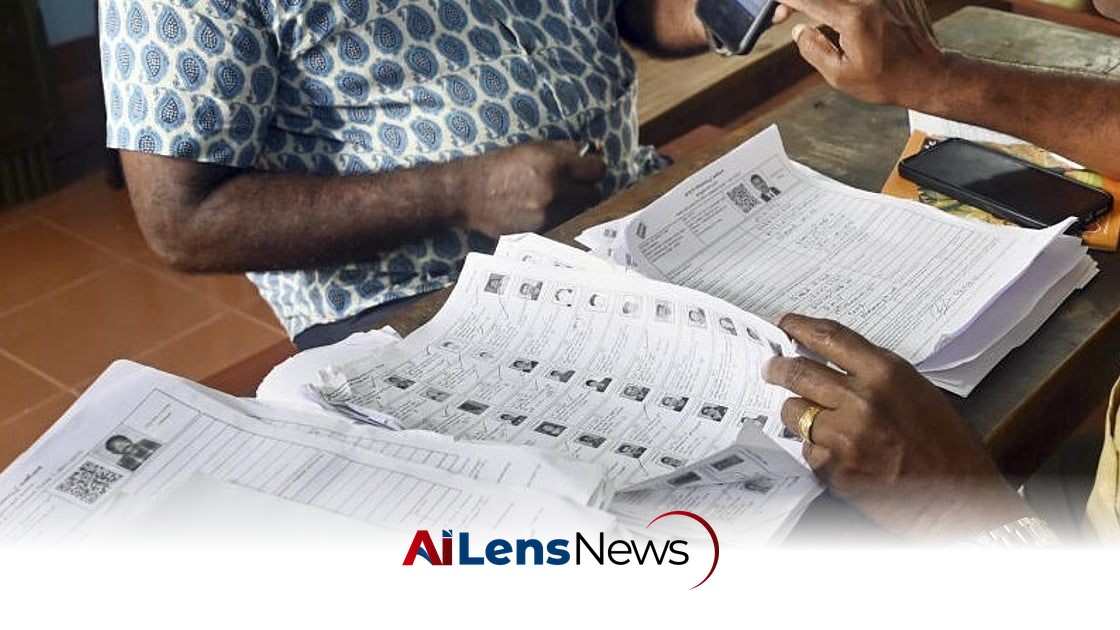


A retired teacher engaged in electoral rolls revision suffered serious injuries in a bike accident while returning home from duty.
Bengaluru, India Jul 27, 2026 ALN: Kamalapur (Bidar district): A retired government school teacher, who was roped in for the Special Intensive Revision (SIR) of electoral rolls exercise, sustained grievous injuries in a bike accident while on duty. This incident highlights the risks faced by individuals participating in civic duties, particularly in rural areas where infrastructure and road safety can be significant concerns.
Rachanna Bedajurgi, who had retired from service on June 30, 2024, sustained a major fracture in his right leg following a fall from his bike. A native of Kurikoti village in Kamalapur taluk, Rachanna was returning home after discharging Booth Level Officer (BLO) duty at Aranakal village, which lies in the Chincholi Assembly constituency and falls under Kamalapur taluk. The role of a BLO is crucial, especially during the electoral process, as they are responsible for ensuring the accuracy of the electoral rolls and assisting in the registration of voters.
"I attained superannuation after serving at the government higher primary school in Arankal. I was forced into BLO duty. I used to travel from my native Kurikote to Arankal on my bike for SIR duty daily. I have completed 78% of SIR work. On July 23, while returning home, I fell from my bike near Mahagaon Cross and sustained a serious fracture in the leg. The passersby rushed me to a government hospital. I underwent surgery at a private hospital in Kalaburagi. I have already spent Rs 1 lakh and Rs 50,000 more is needed for treatment. I cannot walk for at least one month," Rachanna told reporters. His account sheds light on the physical and financial toll that such duties can impose on individuals, particularly those who are retired and may not have the same support systems as active employees.
The family member of the BLO has urged the government to bear hospital expenses and spare him from SIR duty. This plea raises important questions about the support and protections available for retired individuals who are called upon to serve in civic capacities. It also emphasizes the need for a review of the policies surrounding the recruitment of retired personnel for such duties, especially considering their health and safety.
In recent years, the SIR exercise has been a significant initiative aimed at ensuring the integrity of the electoral process in India. This exercise is critical in updating and verifying the electoral rolls, which are the foundation of a functioning democracy. However, the reliance on retired individuals to carry out these responsibilities can be problematic, especially if adequate measures are not in place to ensure their safety and well-being.
The incident involving Rachanna is not isolated. There have been numerous reports of accidents and injuries among those engaged in similar civic duties across various regions of the country. These incidents often go unnoticed, but they raise broader concerns about the infrastructure available for safe travel in rural areas, especially for individuals who may not be accustomed to long commutes or the challenges of navigating potentially hazardous road conditions.
Moreover, the financial burden associated with medical treatment can be overwhelming for many families, particularly for those who may not have sufficient resources set aside for unexpected healthcare needs. In Rachanna's case, the expenses incurred have already reached a substantial amount, and the additional costs required for continued treatment could place further strain on his family's finances. This situation underscores the importance of having a comprehensive support system in place for individuals who are called to serve in public capacities, particularly those who are retired.
The government’s response to this incident will be closely watched, as it may set a precedent for how similar cases are handled in the future. Ensuring that retired individuals are not only compensated for their service but also protected during their duties is essential for maintaining the integrity of civic engagement initiatives. It is crucial for the authorities to consider implementing better safety measures, such as providing transportation or ensuring that those who are called upon to serve are fit for duty and equipped to handle the physical demands of the role.
In conclusion, while the SIR exercise plays a vital role in the democratic process, the safety and well-being of those tasked with carrying it out must be prioritized. The incident involving Rachanna Bedajurgi serves as a poignant reminder of the potential risks involved and the need for systemic changes to protect individuals who contribute to the electoral process. As discussions around electoral reforms and civic engagement continue, it is imperative that the voices of those affected, like Rachanna, are heard and addressed in order to create a safer and more supportive environment for all participants.
The SIR initiative, while essential for the electoral framework, raises critical questions about the reliance on older, retired individuals who may not be physically capable of handling the demands of such responsibilities. The nature of civic duties often requires individuals to travel to remote locations, sometimes under challenging conditions, which can lead to accidents like the one Rachanna experienced. This incident serves as a wake-up call for policymakers to reassess the approach towards utilizing retired personnel in civic roles, ensuring that their health and safety are prioritized.
In light of this incident, there is a growing need for a structured support system for individuals engaged in civic duties. This could include health insurance coverage for those called upon to serve, as well as training programs that prepare them for the physical demands of their roles. Additionally, there should be a clear protocol for addressing accidents and injuries, including immediate medical assistance and compensation for medical expenses incurred while on duty.
Furthermore, the incident underscores the importance of community awareness regarding road safety and the need for improved infrastructure in rural areas. Many rural roads are poorly maintained, lacking proper signage and lighting, which can create hazardous conditions for all travelers, particularly the elderly. Local governments should prioritize investments in rural infrastructure to ensure safer travel for individuals engaged in civic duties and everyday life.
As Rachanna's case highlights, the intersection of civic duty and personal safety is a complex issue that requires careful consideration. The government must recognize the sacrifices made by retired individuals who step forward to assist in vital processes like the SIR exercise. Their contributions should not come at the cost of their health and well-being. By taking proactive measures to protect these individuals, the government can foster a culture of civic engagement that values the safety and dignity of all participants.
In summary, the challenges faced by Rachanna Bedajurgi during his service as a Booth Level Officer illustrate broader systemic issues within the civic engagement framework in India. As the government evaluates its policies and practices surrounding the recruitment of retired personnel for civic duties, it is essential to prioritize their safety and well-being. The lessons learned from this unfortunate incident can lead to meaningful changes that not only protect individuals like Rachanna but also enhance the overall integrity of the electoral process in India.
To learn more about the latest developments in Crime & Law, stay updated with our exclusive reports and analyses on AiLensNews.

