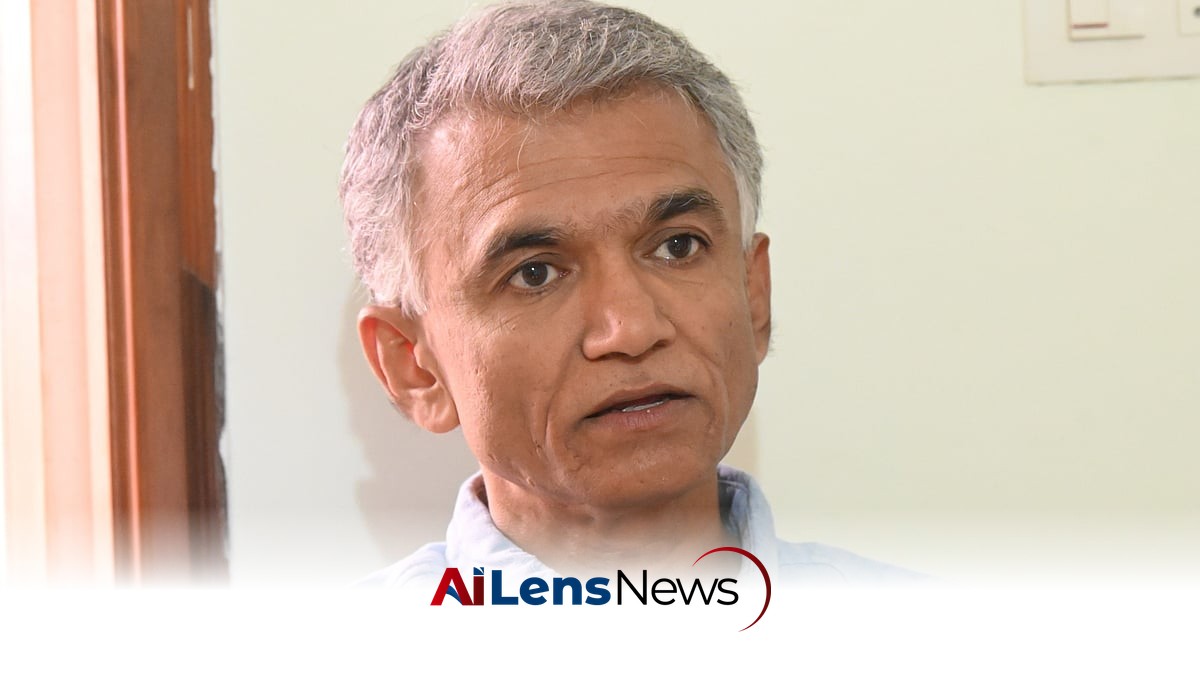


The Greater Bengaluru Development Minister announces a new initiative to regulate parking, aiming to improve traffic flow and reduce congestion in the city.
Bengaluru, India Aug 1, 2026 ALN: Bengaluru, often referred to as the Silicon Valley of India, has emerged as a major hub for technology and innovation. However, this rapid development has not come without its challenges, particularly in the realm of urban mobility and traffic management. The city is currently facing a severe traffic congestion crisis, which has become a significant concern for its residents. The rapid urbanization and the exponential growth in population have contributed to an overwhelming increase in the number of vehicles on the roads. As a response to this escalating issue, the Greater Bengaluru Development Minister, Krishna Byre Gowda, has announced a series of plans aimed at enforcing strict parking regulations, which are intended to alleviate the ongoing traffic congestion.
This initiative is part of a broader strategy by the city government to enhance urban infrastructure and public spaces. Previous measures have included the clearance of footpath encroachments and various waste management drives. These actions are aimed at creating a more organized and efficient urban environment. The enforcement of stricter parking regulations is viewed as a pivotal step in managing the chaotic traffic conditions that have become synonymous with Bengaluru's streets.
Parking issues in Bengaluru have been exacerbated by a multitude of factors. Common practices such as parallel parking, parking on both sides of the road, and haphazard parking behaviors have obstructed the flow of traffic. These practices create bottlenecks that can lead to significant delays for commuters, further compounding the frustrations associated with daily travel in the city. Minister Gowda has highlighted the urgent need for regulation, stating, “They (people) cannot park on both sides of the road. We need to regulate it. We want to ensure that at least one side of the road is free on any given day. We want to enforce parking on opposite sides of the road on alternate days. This will improve traffic movement.”
One of the critical observations made by Minister Gowda is the widespread disregard for 'No Parking' norms. Despite the presence of designated parking areas, many drivers choose to ignore these regulations, opting instead to park on the roadside. This behavior not only violates traffic rules but also exacerbates the already dire traffic situation. The minister pointed out the plight of several parking facilities in the city that remain underutilized, emphasizing that many of these spaces are vacant because drivers prefer illegal parking over using the available infrastructure. For instance, he referenced a parking facility near Freedom Park, which is managed by a contractor who has been facing financial losses due to low usage rates.
This scenario raises important questions regarding the effectiveness of existing parking facilities and underscores the need for improved public awareness about parking norms. The government's challenge lies not only in enforcing regulations but also in motivating citizens to utilize the available parking spaces, thereby reducing the number of vehicles parked on the streets. The minister's remarks highlight a broader issue of civic responsibility and the need for residents to embrace a culture of compliance with urban regulations. This cultural shift is essential for fostering a more orderly and functional city environment.
In addition to enforcing parking regulations, the government is also focusing on enhancing the overall transportation infrastructure in Bengaluru. Minister Gowda mentioned that the government is expediting metro construction, increasing the number of buses, and enhancing road infrastructure to tackle the root causes of traffic congestion. Bengaluru's current population stands at approximately 1.5 crore, with around 1.25 crore registered vehicles. This staggering ratio of vehicles to residents indicates a severe strain on the city's transportation systems, leading to persistent traffic woes.
With such a high concentration of vehicles, it is clear that there are no simple solutions to the traffic challenges faced by Bengaluru. The government has outlined a series of short-, medium-, and long-term measures to address these issues comprehensively. Improvements in mass transit systems, upgrades to road infrastructure, and strict enforcement of parking regulations are all integral components of a strategy aimed at creating a more efficient and less congested urban environment.
The implications of these measures extend beyond mere traffic management. Improved traffic flow can lead to reduced air pollution, lower stress levels among commuters, and an enhanced overall quality of life for residents. Moreover, effective public transportation systems can encourage more individuals to opt for buses and trains instead of personal vehicles, contributing to a more sustainable urban ecosystem. This shift not only benefits the environment but also promotes a healthier lifestyle by encouraging the use of public transit.
However, the success of these initiatives largely depends on public cooperation. Minister Gowda has urged citizens to exercise basic discipline and civic sense by adhering to parking norms. He emphasized that individual compliance is essential to ensure that the collective urban experience is improved for everyone. The call for civic responsibility reflects a growing recognition that urban challenges cannot be solved by government action alone; active participation from the community is crucial. This partnership between the government and residents is vital for fostering a culture of compliance and respect for urban regulations.
In conclusion, Bengaluru's traffic congestion is a multifaceted issue that requires a concerted effort from both the government and its residents. The enforcement of strict parking regulations is a significant step towards alleviating traffic woes in the city. By addressing parking violations, enhancing public transportation, and improving road infrastructure, the government aims to create a more organized and efficient urban environment. However, the success of these measures hinges on the willingness of the public to cooperate and adapt to new norms. As Bengaluru continues to grow, the need for sustainable urban planning and responsible citizenship becomes increasingly important in shaping the future of this vibrant city. The integration of community efforts with governmental initiatives will be crucial in overcoming the challenges posed by urban congestion and ensuring a livable city for future generations.
To learn more about the latest developments in Transport & Mobility, stay updated with our exclusive reports and analyses on AiLensNews.

