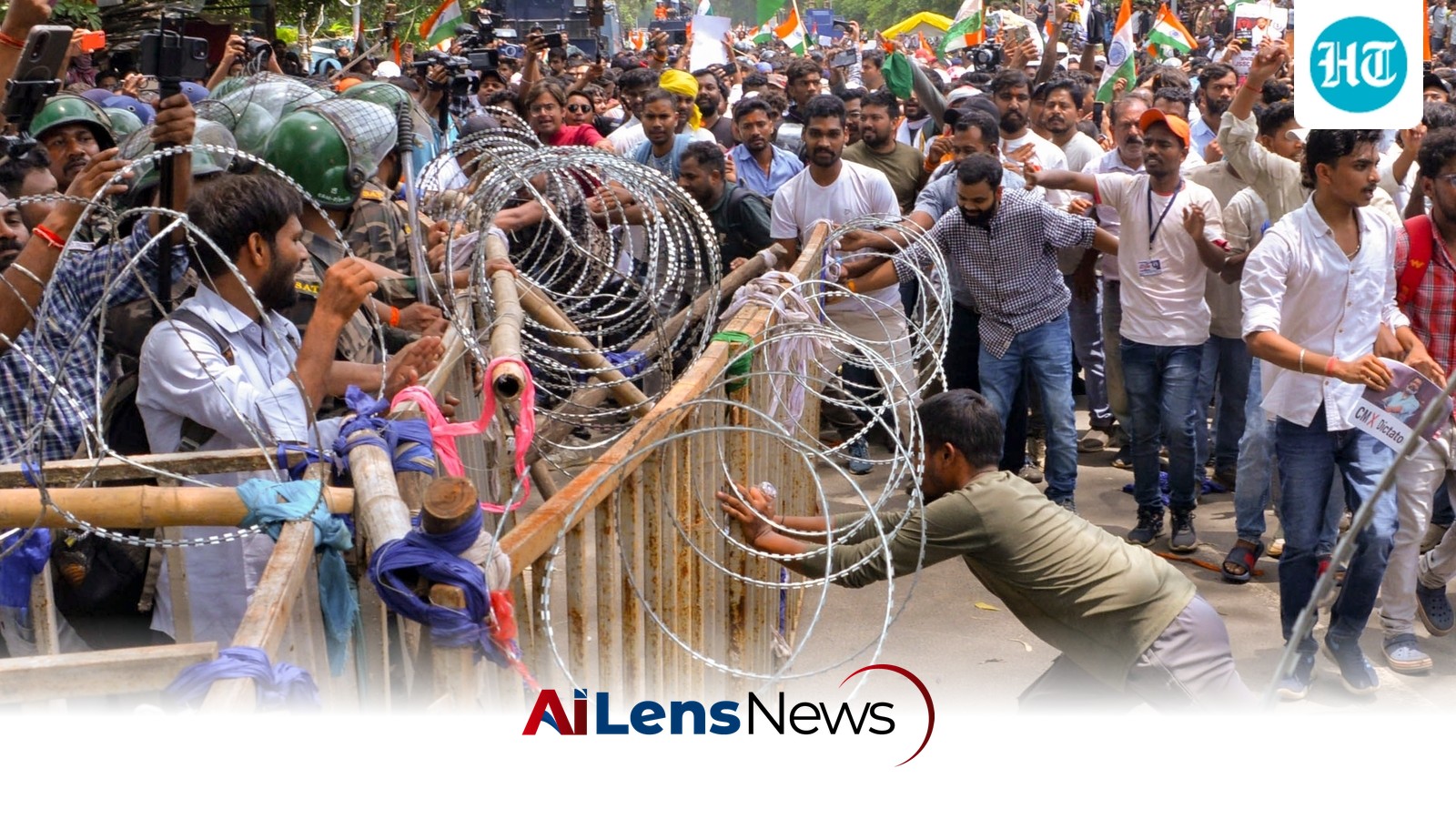


In a significant move, Rahul Gandhi has called on Jharkhand's Chief Minister Hemant Soren to personally engage with student protesters, emphasizing the legitimacy of their demands.
Ranchi, India Aug 17, 2026 ALN: In a developing situation in Jharkhand, Congress leader Rahul Gandhi has urged Chief Minister Hemant Soren to personally meet with student protesters who have been demonstrating for over three weeks. The protests, primarily driven by students demanding better job opportunities and government accountability, have escalated, prompting Gandhi to advocate for direct dialogue. This call for engagement underscores the growing frustration among the youth in Jharkhand regarding employment prospects and the overall governance of the state.
Gandhi stated, “The demands of students are legitimate,” highlighting the need for the government to take their concerns seriously. His call comes as tensions rise, with protesters threatening to escalate their actions, including surrounding the Chief Minister's residence if their demands are not addressed. This ultimatum reflects a deep-seated dissatisfaction with the current political climate, as many students feel their futures are at stake amid rising unemployment and a lack of actionable policies from the government.
The protests have entered their 24th day, with students expressing frustration over the government's lack of response. Recent reports indicate that student leaders are calling for a more sincere engagement from the government, urging CM Soren to show genuine concern for their plight. The students have been vocal about their demands, which include not only better job opportunities but also more transparency in government recruitment processes and an end to what they perceive as bureaucratic delays that hinder their chances of employment.
The act of burning effigies is a traditional form of protest in India, symbolizing the protesters' anger and frustration towards political figures. This particular tactic indicates that the students feel deeply betrayed by their leaders, as they believe their demands have been dismissed or ignored. The upcoming talks represent a pivotal moment for both the government and the student body, as the outcome could either lead to a resolution or further escalate tensions.
Political reactions have been varied, with some leaders from the BJP criticizing CM Soren for his handling of the situation. They argue that the government has failed to address the students' grievances adequately. This criticism from opposition parties highlights the potential political ramifications of the protests, as the BJP seeks to capitalize on any perceived shortcomings of the ruling coalition. Meanwhile, Congress leaders are calling for a peaceful resolution through dialogue, emphasizing the importance of addressing the students' concerns in a constructive manner.
Devendra Nath Mahato, a student leader, expressed hope that the upcoming discussions would yield a positive outcome. He stated, “If the government fails to live up to the students' expectations, the struggle will continue.” This sentiment captures the determination among student activists, who are increasingly willing to mobilize and advocate for their rights, reflecting a broader trend of youth activism across India.
The current protests in Jharkhand are not isolated incidents but part of a larger context of student activism in India. Over recent years, there has been a notable increase in youth-led movements addressing various issues, from educational reforms to job creation. In Jharkhand, where unemployment rates have been a significant concern, students are particularly affected by the lack of opportunities in both the public and private sectors. The state has seen a rise in educated youth who are struggling to find jobs that match their qualifications, leading to widespread disillusionment with the political establishment.
Moreover, the economic landscape in Jharkhand poses additional challenges. Despite being rich in natural resources, the state has struggled with effective governance and infrastructure development, which are crucial for attracting investment and creating jobs. This disconnect between the state's potential and the reality faced by its youth has fueled protests and demands for accountability from the government.
As the situation unfolds, the focus remains on whether CM Soren will heed Gandhi's call and engage directly with the protesters. The outcome of the upcoming talks could significantly impact the political landscape in Jharkhand and the future of student activism in the region. A successful dialogue could pave the way for policy changes that address the students' concerns, while failure to reach an agreement may lead to intensified protests and greater political scrutiny of the Soren administration.
In conclusion, the ongoing protests in Jharkhand highlight the urgent need for government accountability and responsiveness to the concerns of its youth. The coming days will be crucial in determining the direction of this movement and the state's political dynamics. As students continue to assert their rights and demand a seat at the table, the broader implications for governance and youth engagement in India will remain a significant topic of discussion in the months to come.
To learn more about the latest developments in Politics, stay updated with our exclusive reports and analyses on AiLensNews.

