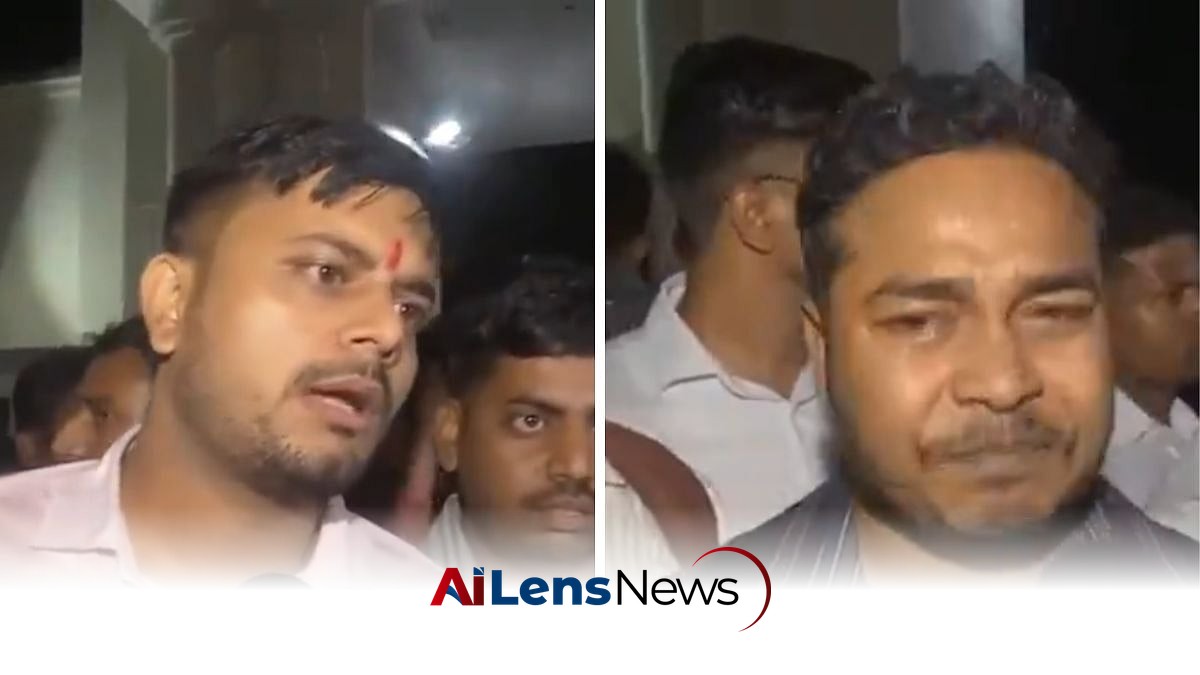


Candidates who cleared the JSSC CGL exam protested against the Jharkhand government's decision to cancel their recruitment, threatening legal action if not reconsidered.
Ranchi, India Aug 18, 2026 ALN: The recent protests in Ranchi, led by candidates of the Jharkhand Staff Selection Commission Combined Graduate Level (JSSC-CGL) examination, have brought to light significant concerns regarding the recruitment process and the implications of its abrupt cancellation by the Jharkhand government. The candidates, who had successfully navigated the examination and subsequent legal proceedings, gathered at Project Bhawan to voice their discontent and seek answers from the state authorities.
The cancellation of the recruitment process has left many candidates feeling disillusioned and anxious about their future. Many of them had invested considerable time, effort, and resources into preparing for the examination, which is known to be highly competitive. The JSSC-CGL exam serves as a gateway for numerous aspirants seeking government jobs in various departments within the state. For many, securing a position through this examination is not merely a career milestone; it represents stability and the fulfillment of long-held aspirations.
In the wake of the government's decision, protesters articulated their frustration and confusion. One candidate expressed the emotional toll the cancellation has taken, stating that it has left him in a state of uncertainty. This sentiment resonates with many others who have similarly faced the repercussions of the government's abrupt decision. The aspirant's plea to his parents encapsulates the collective anxiety felt by the group; they are now grappling with the reality of being thrust back into joblessness after having anticipated a stable future.
Moreover, the protesters highlighted the judicial backing they had received during the recruitment process. They pointed out that their appointments were secured following a ruling by a division bench of the Jharkhand High Court, which was further supported by proceedings in the Supreme Court. This legal validation adds a layer of complexity to the situation, as it raises questions about the government's authority to unilaterally cancel appointments that have been sanctioned by the judiciary. The protesters argue that such a decision not only undermines their rights but also disrespects the rule of law, as established by the courts.
Another significant aspect of the protest is the impact of the cancellation on candidates who had previously resigned from their jobs in anticipation of joining the government service. Many of these individuals had made the difficult decision to leave their previous employment, often at considerable personal and financial risk, based on the assurances provided by the recruitment process. The emotional and economic ramifications of this decision are profound, as they now find themselves without a job and facing an uncertain future.
The protesters' call for reconsideration from the Chief Minister underscores their desperation and the hope that the government will acknowledge the gravity of the situation. They argue that the cancellation not only affects their individual lives but also has broader implications for the integrity of the recruitment process in the state. The protesters are seeking not just a reversal of the cancellation but a commitment to uphold the judicial decisions that have been made in their favor.
In light of the government's decision, the protesters have indicated their willingness to pursue legal avenues once again if their concerns are not addressed. This determination to seek justice through the courts reflects a broader trend in which citizens are increasingly willing to challenge governmental decisions that they perceive as unjust. The legal system has often been a recourse for those who feel marginalized or wronged, and these candidates appear prepared to take similar steps.
The situation in Ranchi serves as a reminder of the challenges faced by job seekers in India, particularly in the public sector. The competition for government jobs is fierce, and the stakes are high, as these positions are often seen as a pathway to a secure and respectable livelihood. The cancellation of the recruitment process not only affects the individuals involved but also raises questions about the transparency and accountability of the recruitment mechanisms in place.
As the protests continue, the government will be under pressure to respond to the concerns raised by the candidates. The implications of this situation extend beyond the immediate context of the JSSC-CGL recruitment; they touch on broader issues of governance, the rule of law, and the relationship between the state and its citizens. The outcome of this protest and any subsequent legal actions could set important precedents for future recruitment processes and the treatment of candidates in similar situations.
Ultimately, the unfolding events in Ranchi highlight the importance of dialogue between the government and its citizens, particularly in matters that significantly impact people's lives and livelihoods. As the candidates continue their fight for justice, their actions may serve as a catalyst for broader conversations about employment, governance, and the role of the judiciary in safeguarding citizens' rights.
To learn more about the latest developments in Labour & Employment, stay updated with our exclusive reports and analyses on AiLensNews.

