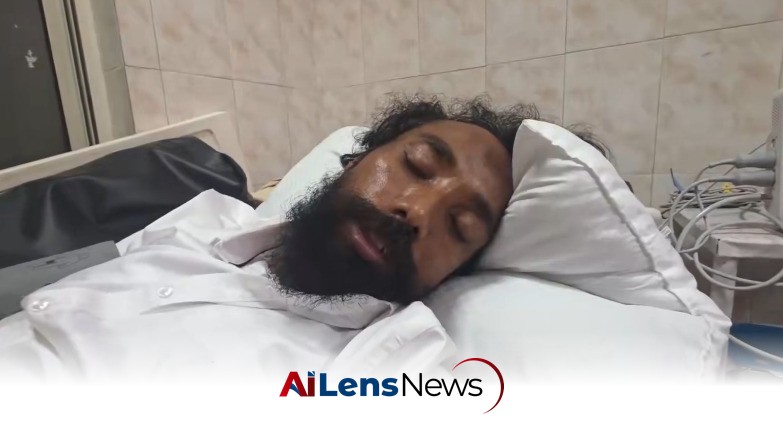


Devendra Nath Mahto, leading the ongoing protests in Jharkhand, urges the government to address recruitment exam irregularities as hunger strikes continue.
Ranchi, India Aug 14, 2026 ALN: As the ongoing agitation in Jharkhand over alleged irregularities and paper leaks in recruitment examinations conducted by the Jharkhand Public Service Commission (JPSC) and Jharkhand Staff Selection Commission (JSSC) continued for the 21st day on Friday, student leader Devendra Nath Mahto appealed to the JMM-led government to "save the soul" of the state.
Mahto, who is leading the agitation in Ranchi and has been hospitalized following health deterioration due to his hunger strike, stated: "This is more painful than my physical suffering. Jobs are being given through leaked examination papers, cheating, and favoritism. By selling jobs in Jharkhand, the soul of the state is being sold. I urge everyone not to let the movement weaken under any circumstances and to protect the dignity of Jharkhand."
In a video message, he urged the government and the administration to "save the soul of Jharkhand." Referring to the JMM-led regime, he remarked: "Power may come and go in a democracy but don't blindly follow orders." This statement underscores a broader sentiment among the protestors who believe that the integrity of the recruitment process is being compromised, potentially undermining the trust in public institutions and governance in the state.
Moreover, Mahto cautioned that "some elements were attempting to change the direction of the students' agitation," which he raised with "much difficulties." This highlights the internal challenges faced by the movement, as maintaining a unified front becomes crucial in the face of external pressures and attempts to derail the protest's objectives.
A protester, Khush Mahto, mentioned that he has been on hunger strike for 10 days now. He said: "Today is the 10th day of my hunger strike. Our health is continuously deteriorating. My condition had worsened considerably, especially on the sixth day. I was urgently admitted to Sadar Hospital, where I was examined by a medical team. After I felt a little better, I went to the 'Vidhan Sabha Gherao' protest on August 10. I had not been discharged from the hospital, but I still managed to leave and participate in the protest." This account not only illustrates the physical toll of the hunger strike on participants but also their determination to stand in solidarity for their cause, despite health risks.
Maintaining that talks are constantly taking place between the agitators and the state government, Khush Mahto stated that more students across the country are joining the protest and that the demonstration will continue until all of their demands are met. This growing participation indicates a potential escalation of the movement, as it resonates with a wider audience who may share similar grievances regarding recruitment processes and job security in various states across India.
Meanwhile, the protesters have planned to take out a 'Tiranga Yatra' on Independence Day tomorrow. Ravindra Kumar Paswan stated that the indefinite agitation will continue, adding: "Tomorrow is August 15, so we will take out a grand Tiranga Yatra. This Tiranga Yatra will show the government that we all have the feeling of patriotic spirit and when such students hit the streets, the government should be serious about our demands." The choice of Independence Day for this demonstration is significant, as it symbolizes the fight for rights and justice, aligning the protest with the broader narrative of freedom and democracy in India.
The ongoing protests in Jharkhand are rooted in a larger context of discontent among youth regarding employment opportunities and the perceived corruption in recruitment processes. Over recent years, several states in India have witnessed similar agitations, reflecting a growing frustration among young people who feel sidelined in their pursuit of government jobs. The situation in Jharkhand is particularly poignant, given the state's socio-economic challenges, including high rates of unemployment and underemployment, which have been exacerbated by the COVID-19 pandemic.
Allegations of corruption within the JPSC and JSSC have been a recurring theme in Jharkhand's political landscape. Reports of paper leaks and irregularities in examination processes have sparked outrage among aspirants, who argue that such practices not only jeopardize their future but also perpetuate a cycle of inequality and injustice. The current protests can be seen as a manifestation of this frustration, as students demand accountability and transparency in the recruitment process.
The Jharkhand government, led by the Jharkhand Mukti Morcha (JMM), faces a critical juncture as it navigates this unrest. The administration's response to the protests will likely have implications for its political capital and public perception. A failure to address the concerns raised by the students may lead to further discontent, potentially impacting future electoral prospects for the ruling party.
In addition to the immediate demands of the protestors, there are broader implications for governance and public trust in the state. The perception of a flawed recruitment system can lead to a lack of faith in public institutions, contributing to a more significant crisis of legitimacy. As the protests continue, it is essential for the government to engage in meaningful dialogue with the protestors and take concrete steps to address their concerns, thereby restoring faith in the recruitment processes and the institutions that oversee them.
The situation remains fluid, with the potential for further developments as the protestors continue their agitation. The outcome of this movement may set a precedent for similar protests across the country, as young people increasingly mobilize around issues of employment and governance. The coming days will be crucial in determining the trajectory of the protests and the response from the Jharkhand government, as both sides grapple with the demands for justice and accountability in the recruitment process.
The protests in Jharkhand are not just a localized issue; they reflect a national crisis where youth unemployment is a pressing concern. According to various reports, youth unemployment rates in India have been on the rise, with many young people facing significant hurdles in securing stable employment. This has led to increased competition for government jobs, which are often seen as more secure and prestigious compared to private sector jobs.
Moreover, the COVID-19 pandemic has exacerbated existing economic challenges, leading to job losses and a slowdown in hiring across multiple sectors. As a result, many graduates and job seekers have turned to government positions as a means of economic stability. This heightened demand has intensified scrutiny of recruitment processes, making allegations of corruption and irregularities even more damaging to the public's trust.
The Jharkhand protests have also sparked discussions about the need for systemic reforms in the recruitment process. Many advocates argue for greater transparency and accountability in how examinations are conducted and how candidates are selected. This includes calls for independent oversight and the implementation of technology-driven solutions to prevent cheating and ensure fairness in the recruitment process.
Furthermore, the protests have seen a diverse coalition of participants, including students from various backgrounds and disciplines. This diversity adds layers to the movement, as it brings together individuals who may have different experiences but share a common goal of seeking justice and fairness. The solidarity among students from different educational institutions and regions highlights the collective frustration felt across the state and the country.
As the protests continue to gain momentum, the role of social media has become increasingly prominent. Protestors use platforms to share their stories, mobilize support, and raise awareness about their cause. This digital activism complements traditional forms of protest, allowing for a broader reach and engagement with a wider audience. In this context, social media serves as both a tool for organization and a means of amplifying the voices of those who feel marginalized.
In conclusion, the ongoing protests in Jharkhand represent a significant moment in the struggle for employment rights and transparency in recruitment processes. The determination of the student leaders and participants underscores the urgency of their demands, as they seek to hold the government accountable for perceived injustices. As the situation unfolds, the response from the Jharkhand government will be pivotal in shaping the future of both the protests and the broader discourse on employment and governance in India.
To learn more about the latest developments in Local & Regional, stay updated with our exclusive reports and analyses on AiLensNews.

