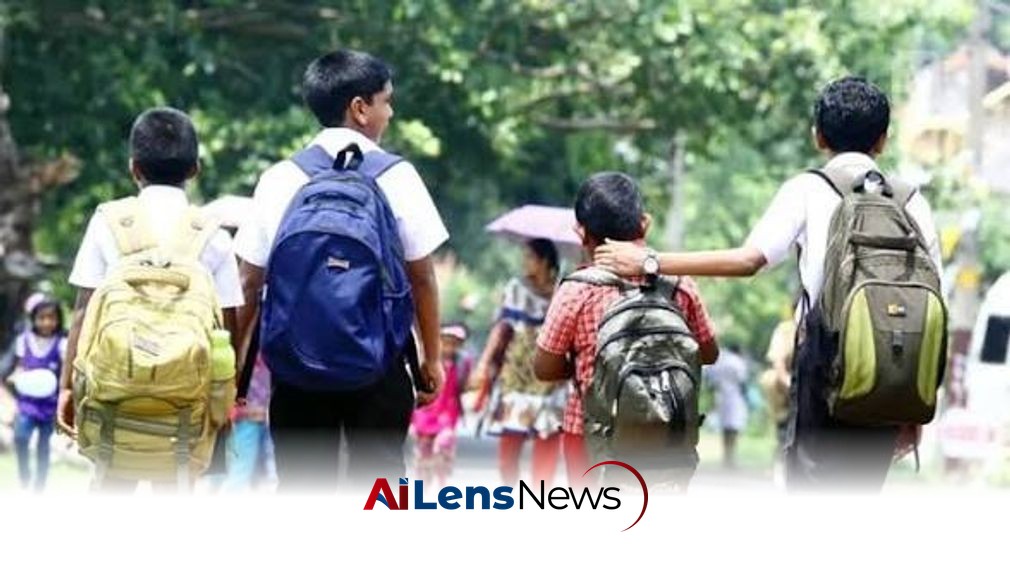


All government and recognized private schools in Jammu and Kashmir will reopen on July 27, following an extended summer vacation due to adverse weather conditions.
Srinagar, India Jul 26, 2026 ALN: All government and recognised private schools across Jammu and Kashmir will reopen on Monday, July 27, with the administration deciding not to extend the summer vacation any further. This announcement comes after a prolonged period of closure due to extreme weather conditions that have affected the region, leading to significant disruptions in the academic calendar.
According to officials from the School Education Department, normal academic activities will resume as weather conditions have improved across the Union Territory. The decision was taken after reviewing the prevailing weather situation and forecasts, which indicated a shift towards more stable conditions, allowing for the safe operation of schools.
The summer break was initially announced from July 6 to July 19 for schools in the Kashmir Division and winter zones of the Jammu Division due to an intense heatwave that swept through the region. This was a precautionary measure aimed at protecting students and staff from the adverse effects of extreme heat. However, as temperatures remained high and conditions did not improve as expected, the break was extended twice—first until July 22 because of persistent high temperatures, and then until July 26 owing to heavy rainfall, flash flood warnings, and adverse weather conditions.
The implications of these weather-related closures are significant, as education in Jammu and Kashmir has faced numerous interruptions over the years due to various factors, including natural disasters, political unrest, and now, climate-related issues. The frequent changes in the academic calendar can disrupt the learning process, impact examinations, and create challenges for both students and educators in maintaining continuity in education.
Officials noted that with the improvement in weather, there is no further need to keep educational institutions closed. Schools have been instructed to resume regular classes from Monday, allowing students to return to their classrooms and re-engage with their studies. This reopening is crucial not only for the academic progress of students but also for their social development and mental well-being, which can be adversely affected by prolonged periods away from school.
Education Minister Sakina Itoo had earlier indicated that schools would reopen on July 27 after the extended vacation. This statement reflects the government's commitment to ensuring that educational institutions can function effectively despite the challenges posed by the environment. The School Education Department has now confirmed that the reopening schedule will be implemented as planned, emphasizing the importance of returning to a routine that supports educational objectives.
The situation in Jammu and Kashmir regarding education is particularly complex due to the region's geographical and climatic diversity. The Kashmir Valley, known for its stunning landscapes, also experiences significant seasonal variations that can impact school operations. The Jammu region, while generally warmer, has its own set of challenges, particularly in winter months when heavy snowfall can impede access to schools.
In recent years, the educational landscape in Jammu and Kashmir has also been shaped by broader socio-political dynamics. The region has seen various educational reforms aimed at improving access to quality education, particularly in rural and underserved areas. However, these efforts can be undermined by environmental factors, as evidenced by the recent weather disruptions. The government has been working to enhance infrastructure, teacher training, and curriculum development, yet the effects of climate change and natural disasters pose ongoing challenges.
Furthermore, the impact of climate change on weather patterns is becoming increasingly evident in the region. The frequency and intensity of heatwaves, heavy rainfall, and other extreme weather events are likely to increase, posing ongoing challenges for school administrations. This necessitates a proactive approach to disaster preparedness and response within the educational sector, ensuring that schools can adapt to changing conditions while minimizing the impact on students' learning experiences. Educational institutions may need to develop contingency plans that outline procedures for dealing with weather-related disruptions, including remote learning options and flexible scheduling.
As schools prepare to reopen, there are also logistical considerations to address. School administrations must ensure that facilities are safe and ready for students, which includes checking for any damage caused by the recent rains and flooding. Additionally, schools may need to implement health and safety protocols to protect students from any residual risks associated with the weather events. This might include ensuring that classrooms are dry and free from mold, as well as establishing guidelines for students' health and safety, particularly in light of the ongoing concerns related to public health.
Parents and guardians will also play a crucial role in this transition back to school. Communication between schools and families is essential to ensure that students are prepared for their return, both academically and emotionally. The support of parents in reinforcing the importance of education during these challenging times can significantly contribute to a smooth reopening process. Schools may provide resources and guidance to help parents understand how to support their children in adjusting back to the school environment, especially after an extended break.
Overall, the reopening of schools in Jammu and Kashmir marks a positive step towards restoring normalcy in the education sector. While the challenges posed by weather and climate change remain, the commitment of the government and the resilience of the community will be key in navigating these issues and ensuring that students can continue their education in a safe and supportive environment. The ability to return to classrooms not only signifies a return to academic learning but also a restoration of community ties and the social interactions that are vital for the holistic development of students.
This reopening also provides an opportunity for educators to assess the impact of the extended break on students' learning and to implement strategies that can help bridge any gaps in knowledge or skills that may have arisen during the closures. Teachers may need to adapt their lesson plans to address the varying levels of preparedness among students, ensuring that all learners can benefit from the educational opportunities available to them.
In conclusion, the reopening of schools in Jammu and Kashmir is a significant development that highlights the importance of education in the face of adversity. It serves as a reminder of the resilience of the education system and the collective effort required to overcome the challenges posed by natural and climatic factors. As students return to their classrooms, the focus will be on fostering an environment conducive to learning, growth, and adaptation to the changing realities of the world around them.
To learn more about the latest developments in Crime & Law, stay updated with our exclusive reports and analyses on AiLensNews.

