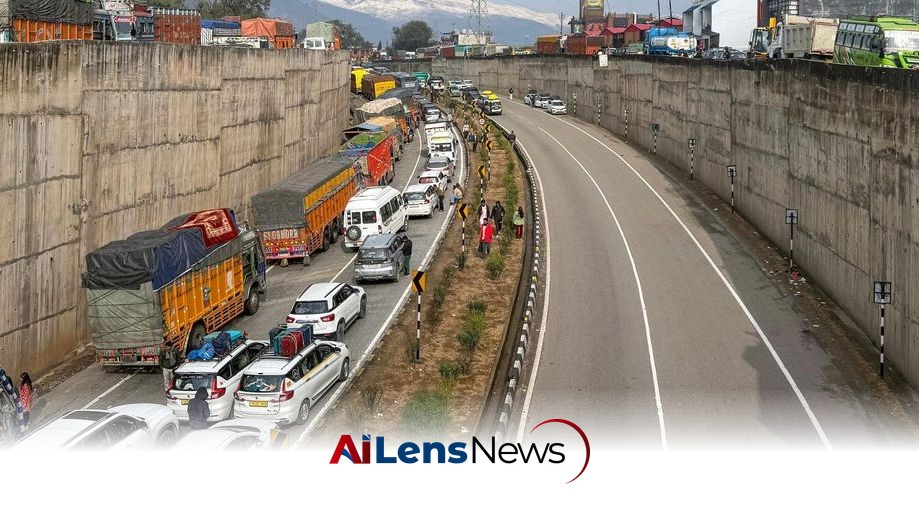


The Jammu-Srinagar National Highway (NH-44) remains closed as restoration work continues following heavy rainfall and incidents of shooting stones near Samroli.
Srinagar, India Aug 1, 2026 ALN: The Jammu–Srinagar National Highway (NH-44) remained closed for all types of traffic on Saturday morning as restoration work continues near Dawal Bridge in the Samroli area of Udhampur district. This vital roadway serves as a crucial link between the winter capital of Jammu and the summer capital of Srinagar, facilitating not only the movement of local residents but also the transportation of goods and services across the region.
The closure of NH-44 is particularly significant given that it is one of the primary arteries connecting the northern and southern parts of the Union Territory of Jammu and Kashmir. The highway is often subject to adverse weather conditions, especially during the monsoon season, which typically lasts from June to September. Heavy rainfall can lead to landslides, mudslides, and the occurrence of shooting stones, all of which pose serious risks to travelers and necessitate frequent road closures for safety and maintenance.
Officials reported that the road surface is highly slushy, muddy, and extremely slippery, making movement unsafe. The current weather patterns have resulted in substantial rainfall in the Ramban sector, which has been particularly affected by these conditions. The combination of water saturation in the soil and the steep terrain increases the likelihood of landslides, which can obstruct the road and pose dangers to vehicles and pedestrians alike.
In addition to the closure near Samroli, multiple incidents of shooting stones and mudslides have been reported at various locations in the Ramban and Banihal sectors. These occurrences not only further complicate the restoration efforts but also highlight the vulnerability of the region's infrastructure to natural hazards. The National Highways Authority of India (NHAI) is actively engaged in addressing these issues, deploying personnel and machinery to clear debris and restore safe passage as quickly as possible.
"Restoration work for the single carriageway is still in progress at Dawal Bridge, Samroli. NHAI personnel and machinery, along with Traffic Police personnel, are on the job," an official stated. This indicates a coordinated effort between various governmental agencies to ensure that the highway is restored to a safe condition for travelers. Such collaboration is essential in regions like Jammu and Kashmir, where geographic and climatic challenges can impede infrastructure stability.
In light of the prevailing conditions, commuters have been advised not to travel on NH-44 until the road is cleared and declared safe for traffic movement. This precautionary measure aims to prevent accidents and ensure the safety of all individuals who might otherwise attempt to navigate the hazardous conditions. Travelers are often reminded of the importance of heeding official advisories, particularly during adverse weather events, to minimize risks.
Authorities also urged people not to pay heed to rumors and to check the status of the road on the official Traffic Police Twitter handle, Facebook page, and at Traffic Control Units (TCUs) for updates. In an age where misinformation can spread rapidly, especially regarding road conditions and safety, officials emphasize the need for reliable sources of information. This approach is intended to keep the public informed and to prevent unnecessary panic or confusion about travel conditions.
The implications of the NH-44 closure extend beyond immediate travel inconveniences. The highway is a critical supply route for essential goods, including food, medicine, and other supplies, especially in the context of the ongoing challenges posed by the COVID-19 pandemic. Disruptions in transportation can lead to shortages and increased prices for basic commodities, affecting the livelihoods of local residents and the economy at large.
Moreover, the reliance on NH-44 for tourism is another facet of its importance. Jammu and Kashmir is a popular tourist destination, known for its stunning landscapes and cultural heritage. Disruptions to the highway can deter tourists and impact local businesses that depend on the influx of visitors during the peak season. This situation underscores the need for ongoing investment in infrastructure resilience and disaster preparedness in the region.
The region's topography, characterized by steep hills and valleys, makes it particularly susceptible to landslides and other geological hazards, especially during the monsoon season. The government has attempted various measures to mitigate these risks, including installing retaining walls, improving drainage systems, and conducting regular monitoring of vulnerable areas. However, the unpredictable nature of monsoon rains often challenges these efforts, leading to closures like the current situation.
In recent years, the government has also been focusing on enhancing the overall infrastructure in Jammu and Kashmir, recognizing its strategic importance and the need for improved connectivity. Investments in road construction, maintenance, and disaster management systems have been prioritized to ensure that vital routes like NH-44 can withstand adverse weather conditions and remain operational. The current closure serves as a stark reminder of the ongoing challenges faced in this regard.
In conclusion, the closure of NH-44 near Samroli due to heavy rains and shooting stones is a reminder of the challenges faced by this strategically important highway. The ongoing restoration efforts reflect a commitment to maintaining safety and accessibility for travelers, while the cooperation among various agencies highlights the importance of collaborative responses to natural hazards. As the weather conditions evolve, it remains crucial for authorities to keep the public informed and for travelers to prioritize safety by adhering to official advisories and updates. The situation underscores the need for continued vigilance and investment in infrastructure resilience to safeguard the region's connectivity and economic stability.
To learn more about the latest developments in Transport & Mobility, stay updated with our exclusive reports and analyses on AiLensNews.

